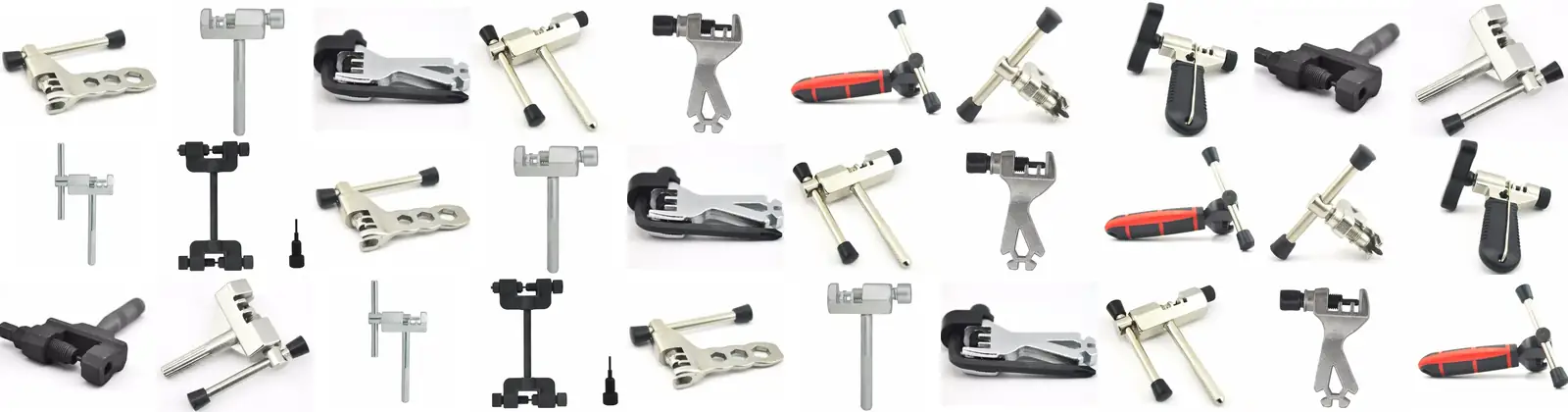
What The Tool Actually Does
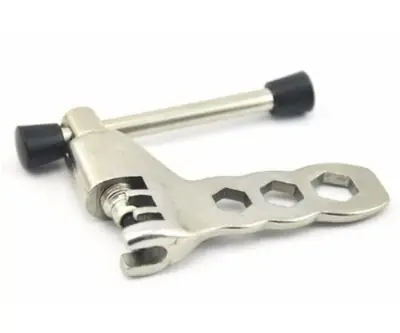
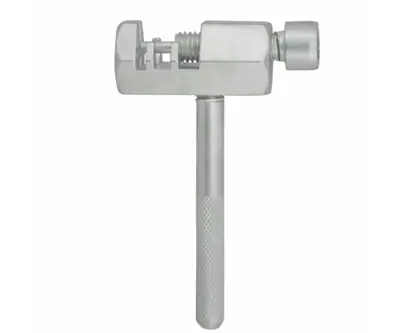
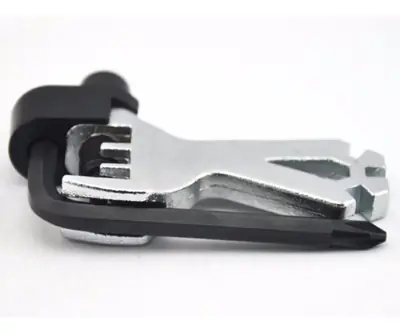
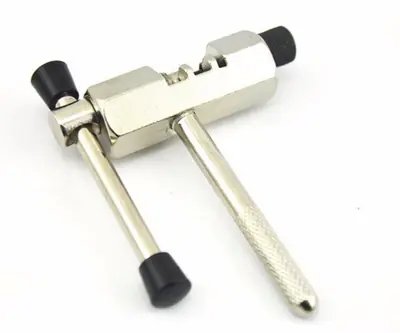
A chain rivet extractor pushes a chain pin out of the plates so the chain can be shortened, removed or rejoined. The chain sits in a seat in the tool body, and a threaded drive pin advances against the chain pin.
Better tools have two seats. The outer seat pushes the pin out; the inner seat is used to re-seat and peen a pin or to free a stiff link after rejoining.
Sizing A New Chain
A new chain almost always comes long. The usual method is to wrap the chain around the largest chainring and the largest sprocket without passing it through the derailleur, then add two links for a rear derailleur bike.
Cut on the correct plate pairing so the chain ends can join. Getting this wrong wastes two links and, on a narrow chain, can waste the chain.
Driving The Pin
Seat the chain squarely. The drive pin must meet the chain pin dead centre — a chain sitting at an angle is the reason drive pins snap and tool bodies crack.
Advance smoothly. If the handle needs sudden force, stop and check the alignment rather than pushing harder. On chains with a directional or reinforced pin, push the pin out completely and rejoin with a connecting link rather than reusing it.
Rejoining and Stiff Links
A rejoined link is often stiff because the plates have been squeezed together. Move the chain to the inner seat of the tool and give the pin a small amount of pressure from the opposite side, or flex the link laterally by hand until it articulates freely.
A stiff link that is left in the chain will skip through the rear derailleur under load every revolution.
Care and Replacement Pins
Keep the drive pin clean and lightly oiled on the thread. Replace it as soon as the tip shows a burr or a bend — a damaged tip will mushroom the chain pin instead of pushing it.
For workshop tools, buying a model with an available replacement pin is worth more than a small saving on the tool itself.