
Two Layer and Three Layer Laminates in Outerwear
How the layer count changes weight, hand feel, durability and what the garment costs to make.
What the layer count counts
The number refers to how many components are bonded together. A two-layer construction bonds the face fabric to the membrane and hangs a separate lining inside. A three-layer construction bonds face fabric, membrane and a backer into one piece, which needs no separate lining.
Weight and hand feel
Two-layer fabric is softer to the hand and quieter to wear, and the loose lining makes it more comfortable against a mid layer. Three-layer is stiffer and usually lighter overall, because the backer replaces the lining rather than adding to it.
Durability and repair
The bonded backer in a three-layer construction protects the membrane from abrasion, which matters in a pack-wearing or workwear context. Two-layer garments protect the membrane with the lining instead, and a torn lining is easier to repair than a delaminated backer.
Choosing for the programme
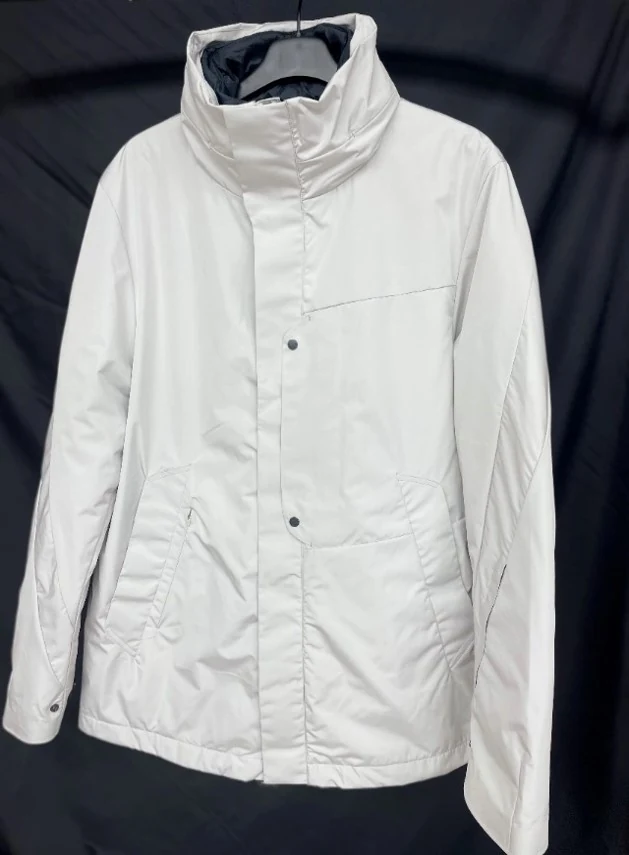
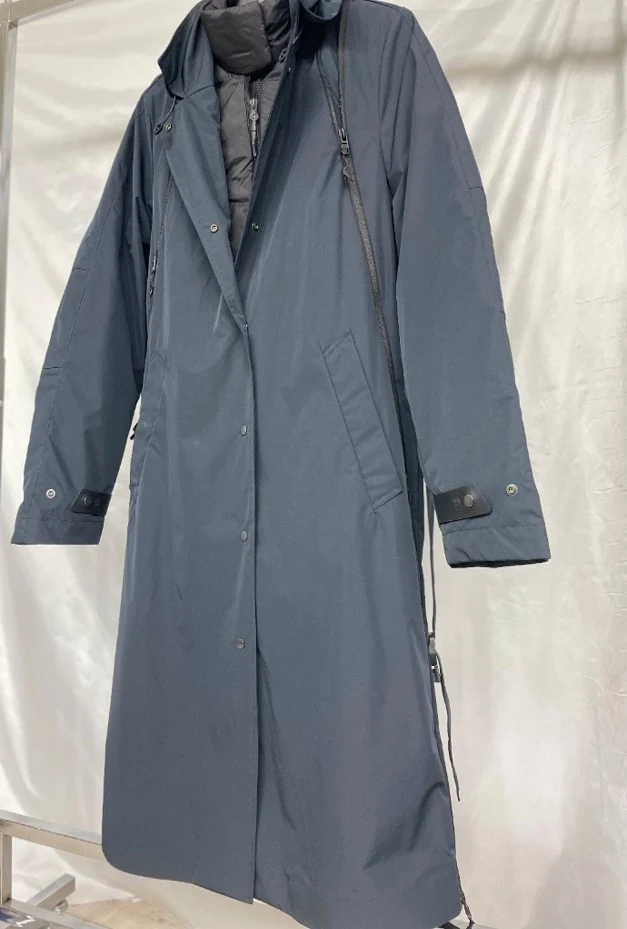
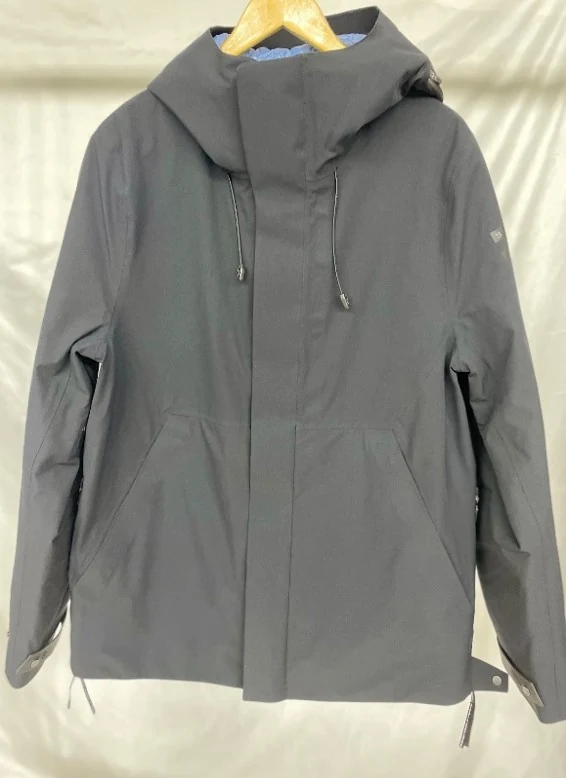
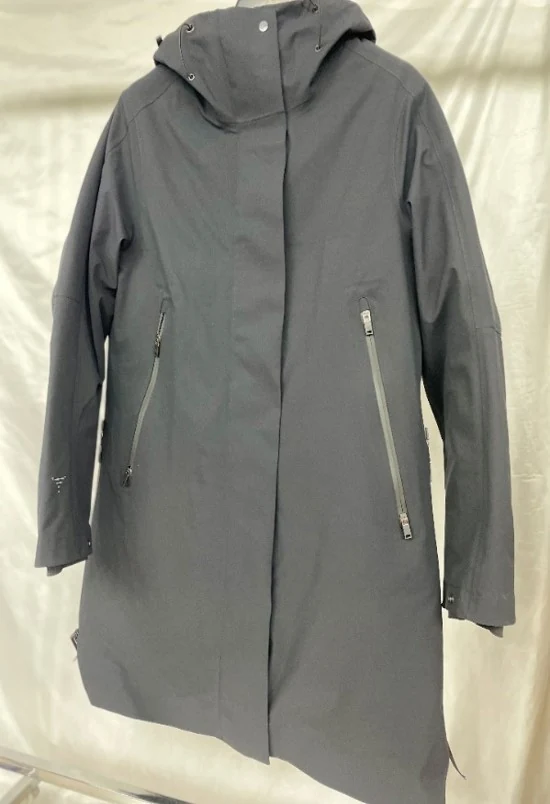
Styles in our range include thin two-layer laminated constructions used with down fill, and membrane laminates for shells. Send the target weight, the water column and the retail price point together, because the three of them decide the layer count more than a preference will.
More Guides
How to Read a JIS L 1092 Water Resistance Figure
What the water column number on an outerwear specification means, and what it does not tell you.
Read the guide →What JIS L 1099 Tells You About Breathability
Vapour permeability figures, why the method letter matters and how to compare styles fairly.
Read the guide →What an OCS Scope Certificate Covers
The difference between a scope certificate and a transaction certificate, and what a buyer should collect.
Read the guide →PFC Free Water Repellent Finishes and What Changes
Why buyers are moving away from fluorinated repellents and what to expect in wear and care.
Read the guide →Down and Synthetic Insulation Compared for Buyers
Warmth for weight, loft recovery, price and packing, and where blended fills sit between the two.
Read the guide →Frequently Asked Questions
Which is more expensive?
It depends on the fabric rather than the layer count alone. A three-layer fabric costs more per metre but removes the lining and its make-up cost.
Which do you supply?
Both appear in the range. The construction is stated in the specification table for each style where the source specification records it.
Have a Question This Guide Did Not Answer?
Email the question with the style number or specification you are working on and we will answer it directly.