
Down and Synthetic Insulation Compared for Buyers
Warmth for weight, loft recovery, price and packing, and where blended fills sit between the two.
Warmth for weight
Down carries more warmth per gram than synthetic fill, which is why it dominates cold-weather ranges where packed volume matters. Fill power describes the loft of the down rather than the amount used, so a 600 fill power garment is not automatically warmer than a 550 one until you also know the fill weight.
Behaviour when wet and when compressed
Down loses loft when wet and takes longer to dry. Synthetic fill keeps more of its structure. Compression is the other half of the story: a garment that spends six weeks flat in a carton has to recover on the rail, and blended fills using cocoon fibre are built for exactly that recovery.
Where blends sit
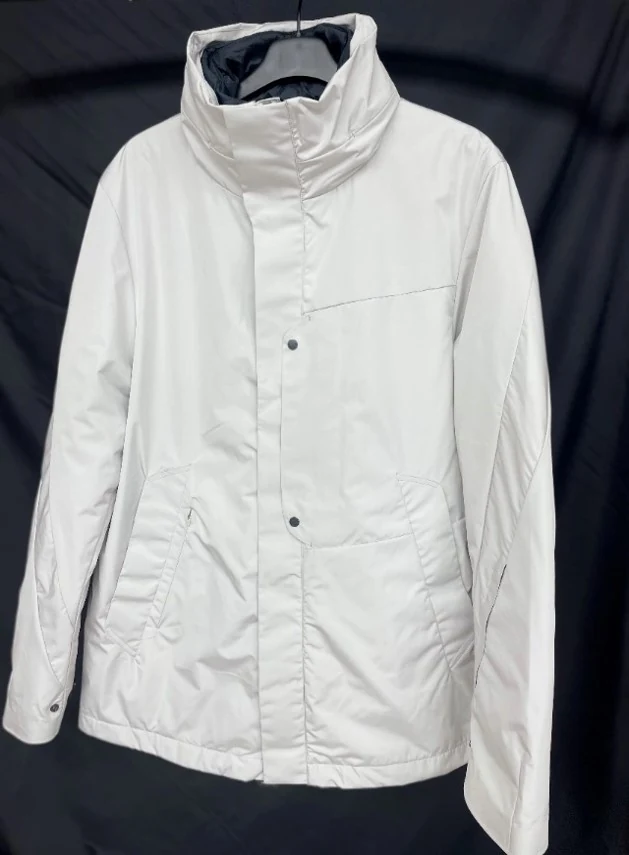
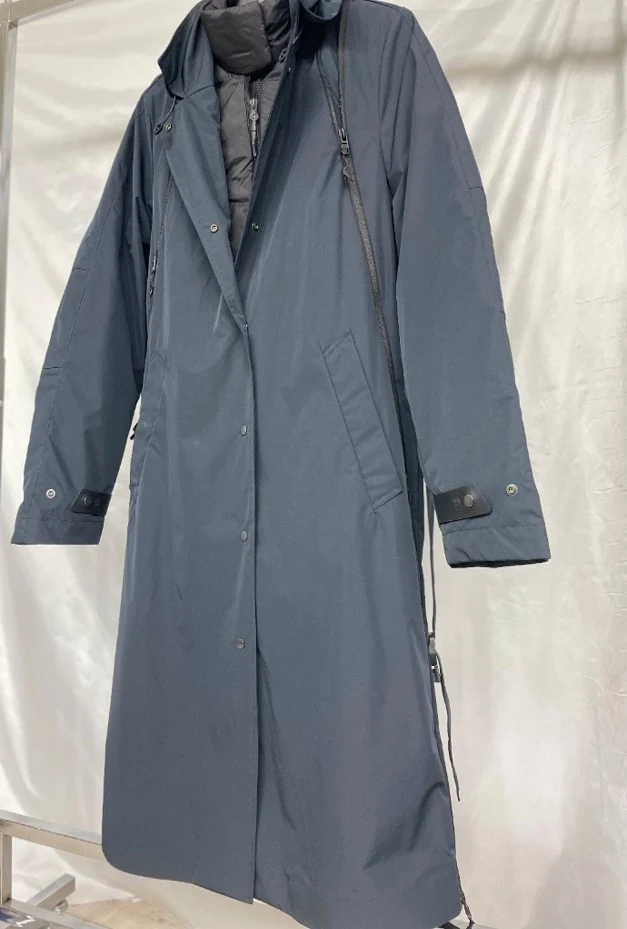
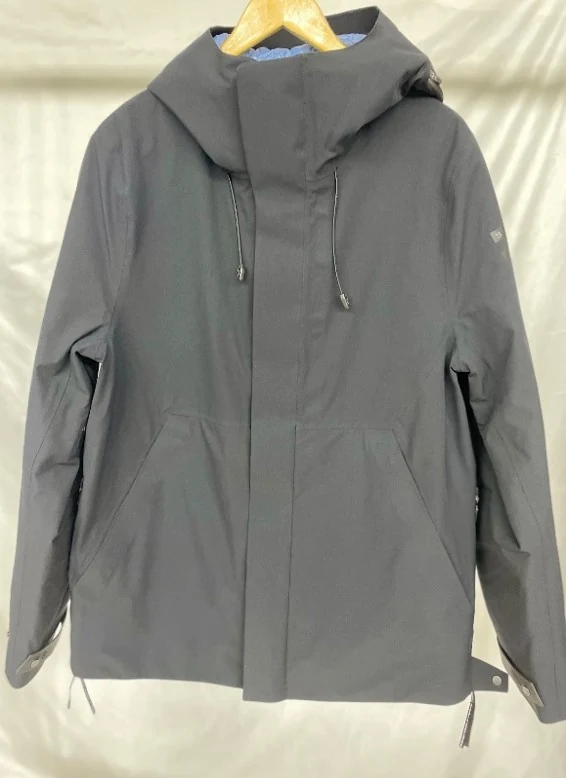
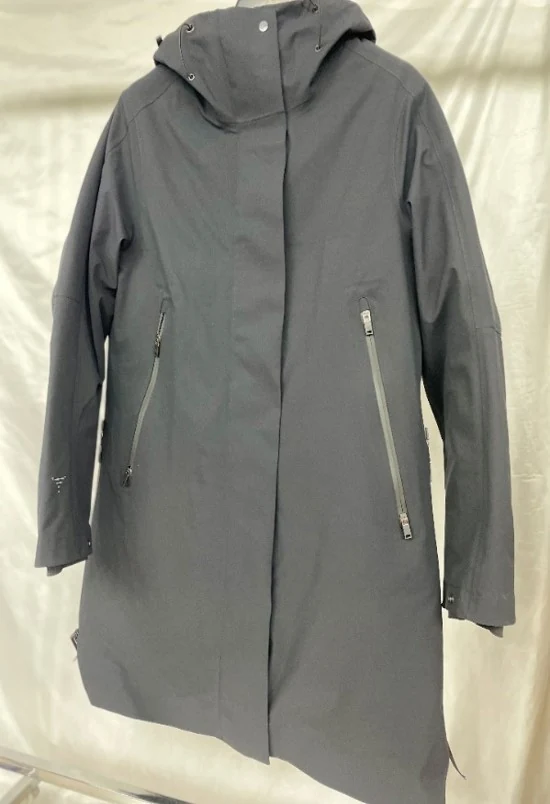
Blended fills, such as the 50 percent duck down and 50 percent cocoon-fibre polyester used in styles in our range, trade a little warmth for weight against faster recovery and easier care. For a retail programme with long sea freight, that trade is often the right one.
Cost and documentation
Down programmes carry traceability requirements that synthetic ones do not. Decide early which side you are on, because switching fill after sampling usually changes the shell weight, the baffle pattern and the price at once.
More Guides
How to Read a JIS L 1092 Water Resistance Figure
What the water column number on an outerwear specification means, and what it does not tell you.
Read the guide →What JIS L 1099 Tells You About Breathability
Vapour permeability figures, why the method letter matters and how to compare styles fairly.
Read the guide →What an OCS Scope Certificate Covers
The difference between a scope certificate and a transaction certificate, and what a buyer should collect.
Read the guide →PFC Free Water Repellent Finishes and What Changes
Why buyers are moving away from fluorinated repellents and what to expect in wear and care.
Read the guide →Two Layer and Three Layer Laminates in Outerwear
How the layer count changes weight, hand feel, durability and what the garment costs to make.
Read the guide →Frequently Asked Questions
What fill do the Y&D insulated styles use?
It varies by style and is stated in the specification table where the source specification records it. Styles in the range include a 50/50 duck down and cocoon fibre blend at 600 fill power.
Which is better for a wet climate?
Synthetic or blended fill is more forgiving when wet. A laminated waterproof shell over a down fill is the other route.
Have a Question This Guide Did Not Answer?
Email the question with the style number or specification you are working on and we will answer it directly.