
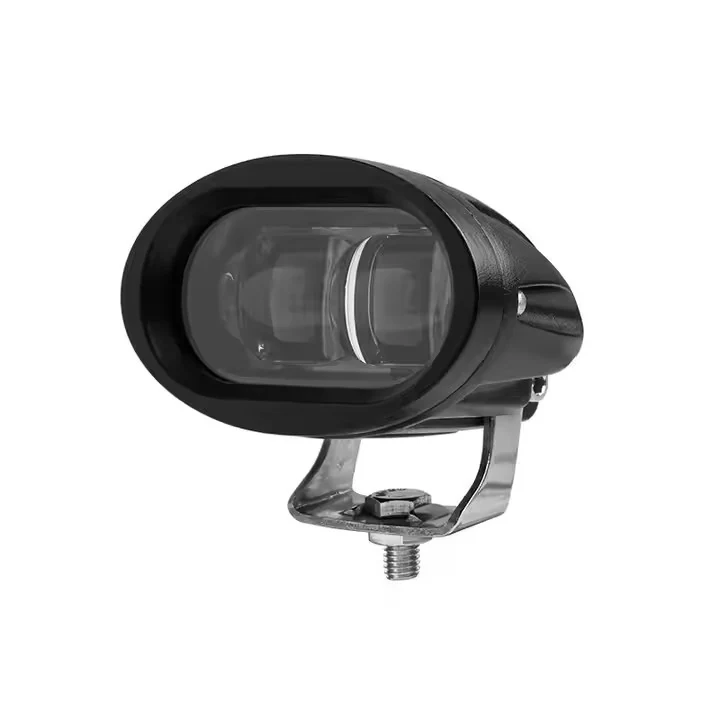
Choosing Colours and Beam Shapes for Forklift Safety Lights
A safety lamp only works if everyone on the floor reads the marking the same way.
Blue Spot at Blind Corners
A blue projected spot thrown ahead of or behind the truck gives pedestrians a moving marker they can see before the truck itself appears around racking. Blue is used because almost nothing else on a warehouse floor is that colour, so it does not get lost against painted lines or product packaging.
Red Lines for Keep-Out Zones
A red line beam projected down each side of the truck draws a boundary on the floor that marks the working width. It is used where pedestrians and trucks share an aisle and the risk is someone walking too close rather than someone stepping into the path.
Arch Beams for Full Width Marking
An arch beam projects a curved band that marks the swept area rather than a single line. It suits wider trucks and reach trucks where the load, not the chassis, defines the hazard.
Voltage Is the Constraint People Forget
Warehouse trucks run at a much wider range of voltages than road vehicles. The Dantech forklift safety range lists wide input windows including 9-32V, 9-80V and 9-110V DC, which covers most electric truck systems without a converter. Confirm the actual truck voltage before ordering rather than assuming 24V or 48V.
Products This Guide Applies To
Models Referred to in This Guide
Emark 4 inch 10W/20W/30W Line Beam Safety Led Warning Lamp Blue Green Red for Forklift Safety
10W · 2400 lm · IP68
View specification →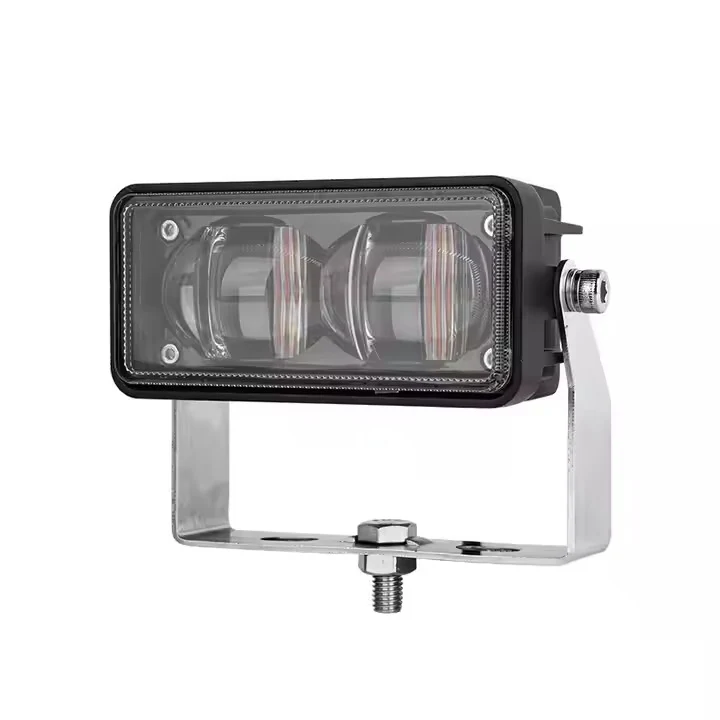
30w 110V High Brightness Safety Lamp Blue Red Green Led Straight Line for Forklift
30W · 2,400 lm · IP68
View specification →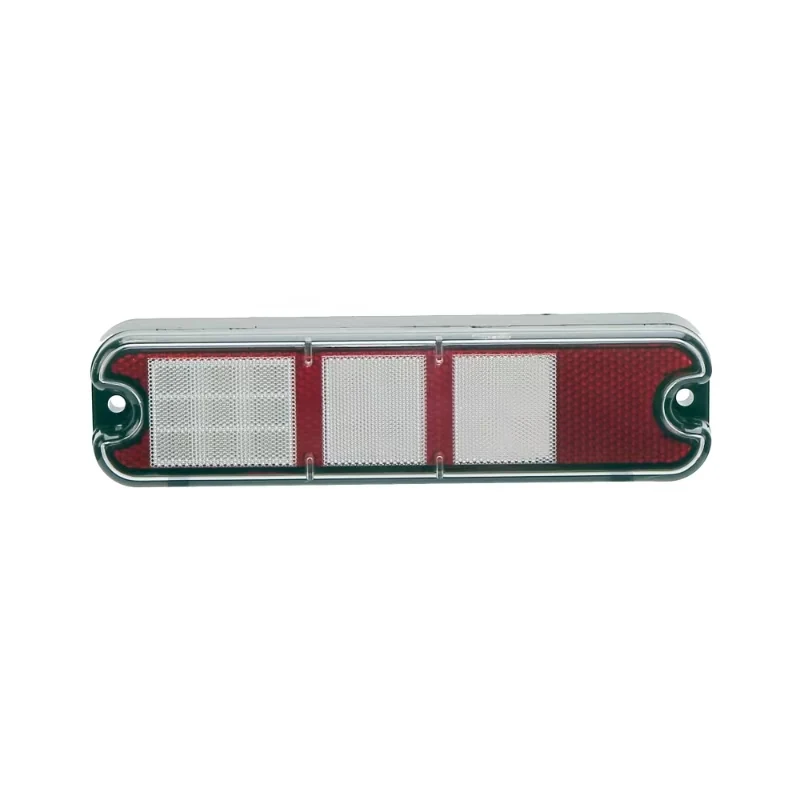
R10 24W /1960lm/10-110V Tail Light Reverse+steering+driving+braking beam pattern
24W · 1960 lm · IP67
View specification →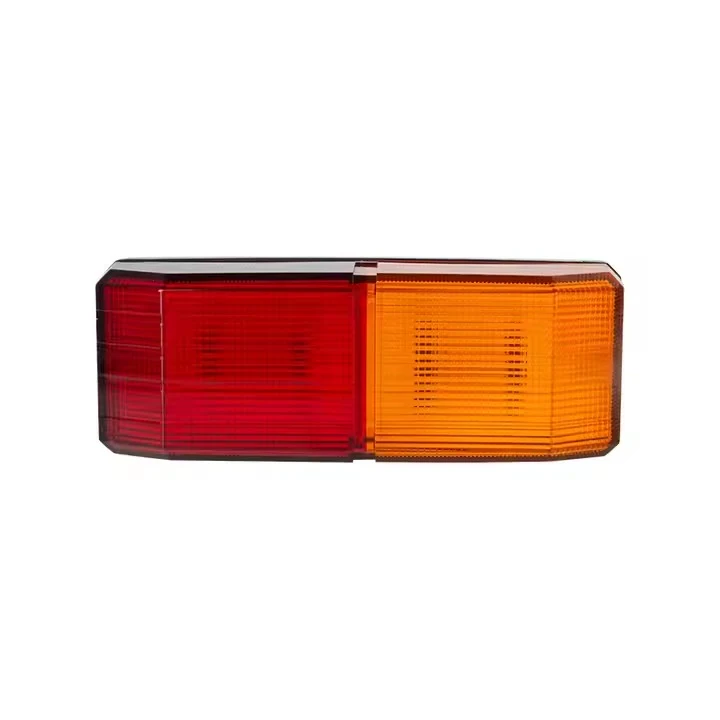
24w led tail light
24W · 1920 lm
View specification →Questions Readers Ask
Where should a blue spot lamp be aimed?
Can I fit both a blue spot and red line lamps to one truck?
Do these lamps work in a cold store?
Ask the Question Directly
If the guide does not answer your case, describe the machine and the mounting position and we will answer it against the actual range.