
Why the Grade Matters More Than the Finish
Buyers usually pick a sculpture by its shape and its finish and treat the steel grade as a detail the factory can decide. Outdoors it is the other way round. The grade decides whether the piece still looks new in five years and the finish only decides how it looks on the day it is installed. Both grades we work in, 304 and 316, are stainless and both are treated ground and polished so the surface does not fade easily and stays bright after weathering wind and rain. What separates them is how they behave once salt enters the picture.
What 304 Is Good For
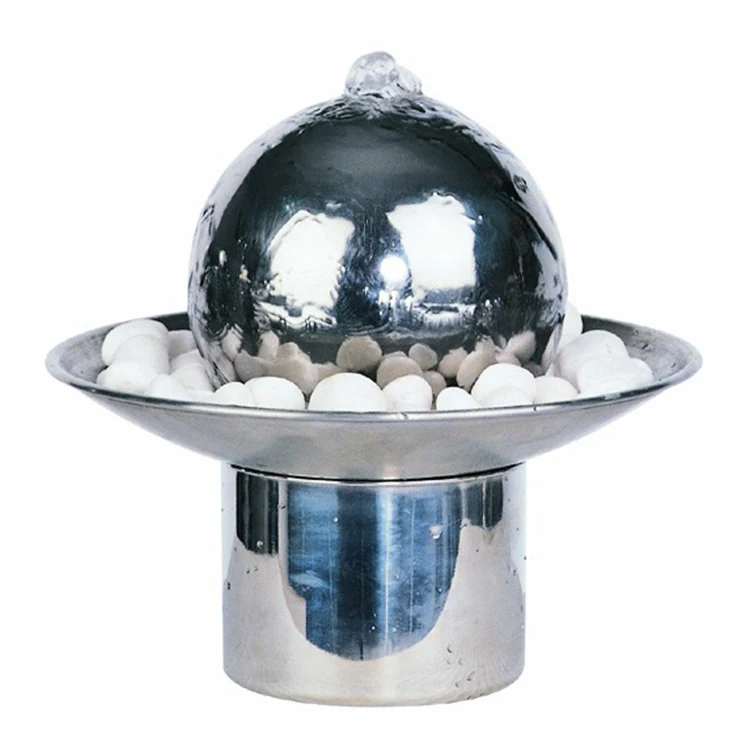
304 is the grade we use for most work, including the large garden spheres which are water pressured from AISI 304 alloy and mirror finished. It suits inland gardens, plazas, shopping mall atriums, hotel lobbies, park paths and any interior installation. Its surface takes a mirror polish cleanly, which matters when the whole point of the piece is the reflection of planting and sky around it. For the great majority of projects there is no technical reason to pay more.
When to Specify 316 Instead
316 is the grade to specify when the sculpture will stand in salt laden air: seafront promenades, island resorts, harbour plazas, pool decks where chlorinated water carries on the wind. In those settings 304 can develop surface staining that needs more frequent cleaning. 316 costs more and is worth it only where the exposure justifies it, so tell us the site type rather than the grade and we will confirm which one your project needs.
The Finish You Choose Interacts With the Grade
We offer six finishes: mirror polished, raw, brushed, sandblasted, electroplated and spray painted colour. A mirror polish shows fingerprints and water spotting most readily, which is one reason coastal projects often pair 316 with a brushed or sandblasted surface instead. Electroplated finishes, used on wall panels to give that silver mirror effect with moving light and shadow, sit on top of the steel and should be discussed separately for exposed outdoor sites.
How to Give Us Enough to Answer
Send the installation setting, whether the piece is indoors or outdoors, the distance to the coast if there is one, the diameter or overall size you want and any drawing or reference photo you have. We produce from your own pictures designs and sizes, so the drawing you send becomes the archived reference once both sides confirm it. A model is made before full production so the shape and the surface can be judged in the metal rather than on screen.