
History of Handpainted Ceramic Tiles in China
From Qin and Han origins to national intangible cultural heritage status
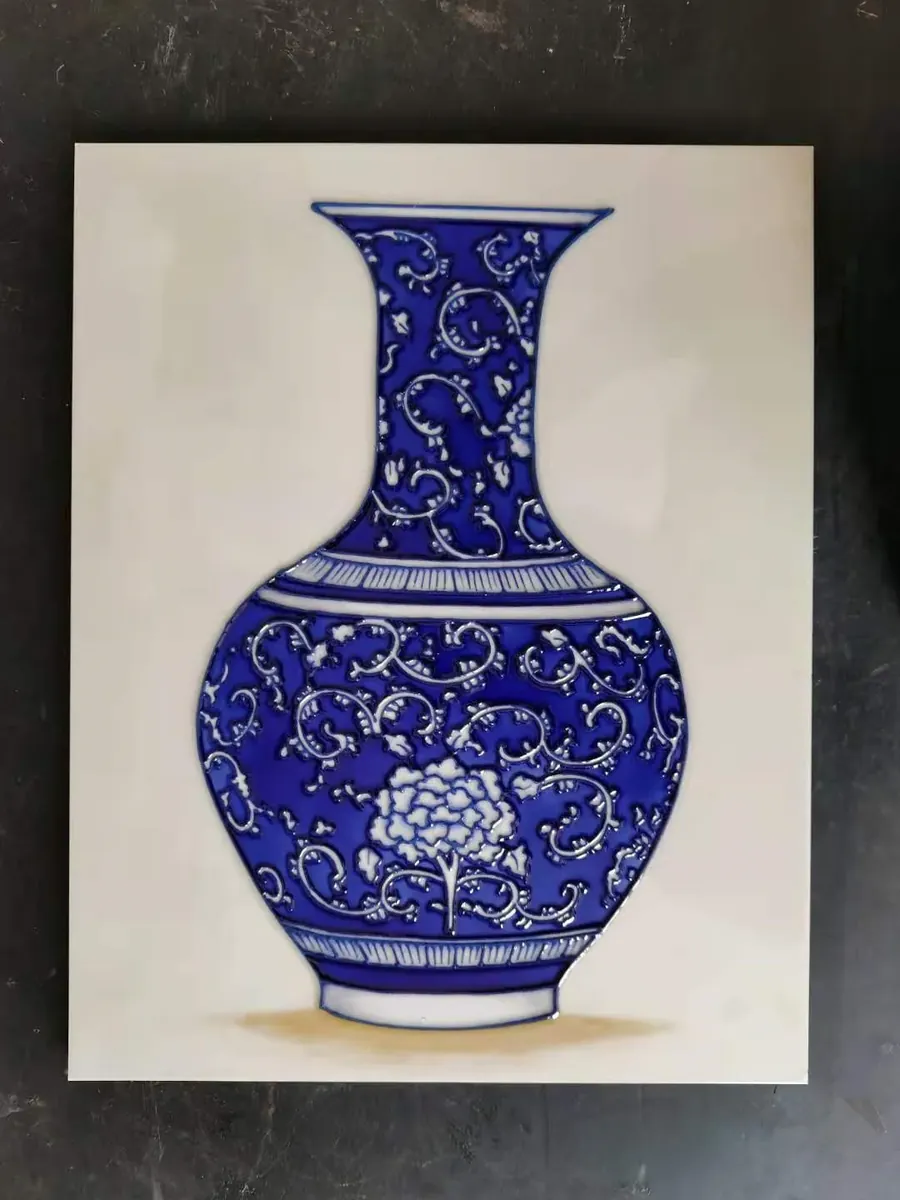
What the craft is
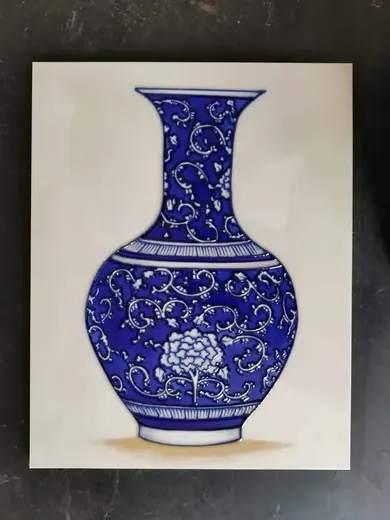
A handpainted ceramic tile is a flat ceramic handicraft, hand painted and glazed with mineral or chemical pigments on a plain porcelain panel and then fired at high temperature. It is porcelain decorative art and a painting or calligraphy work at the same time.
Historical development
The process has a long history that can be traced back to the Qin and Han dynasties, while porcelain panel painting in the real sense appeared in the mid Ming dynasty. From the middle of the Qing dynasty, as porcelain technology developed, artists transplanted Chinese painting from paper and silk onto porcelain and the work became an important commodity porcelain.
The most famous porcelain panel paintings came out of Jingdezhen, where the shallow colour painting method of Chinese painting was used to create a colourful panel painting tradition.
Heritage status and subjects
In 2008 handpainted ceramic tile work was selected for the national intangible cultural heritage list. The main colours are blue, red and brown, and the subject range covers figures, landscapes, flowers, insects and birds, fishes and algae and auspicious motifs. Shapes include rectangle, circle, oval, square, multi angle, fan and irregular forms.
Why it still matters commercially
Panels can be mounted alone or embedded into screens and furniture, so the same craft serves both ornamental and practical use. For a buyer, the heritage record is also the provenance story that supports a premium retail price.
Tiles Made This Way
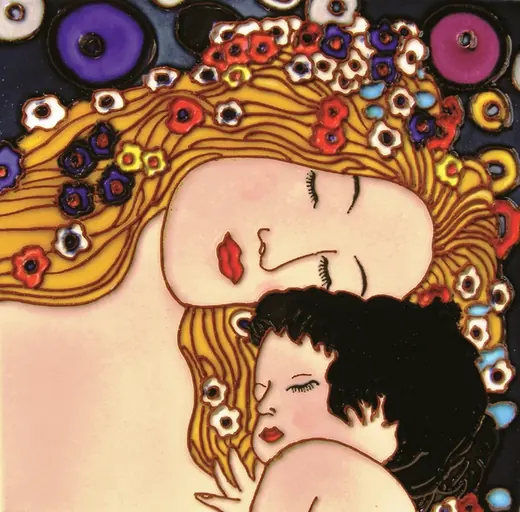
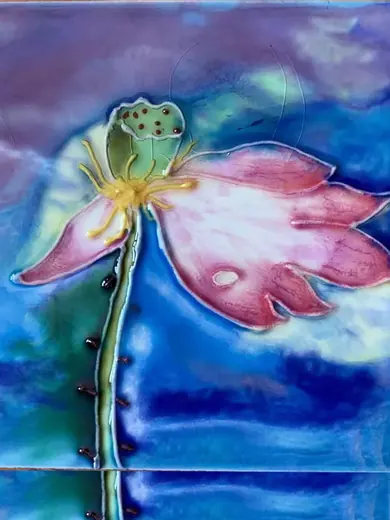
Hand Painted Ceramic Picture Tiles
Pictorial tiles where a complete scene is composed on a single piece
View details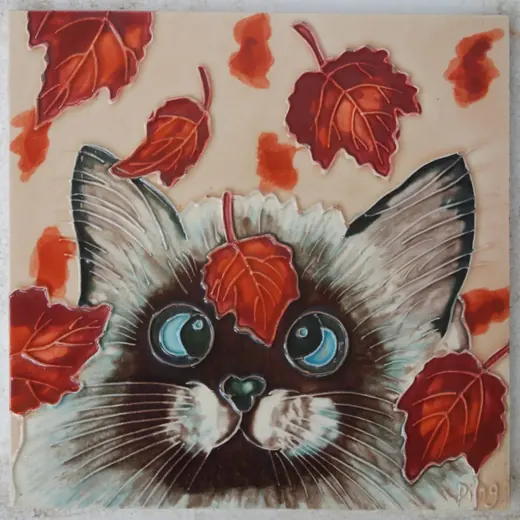
Painted Ceramic Art Tile 6 and 8 Inch Cat
Six and eight inch art tiles for stickers ornaments and large decorative projects
View details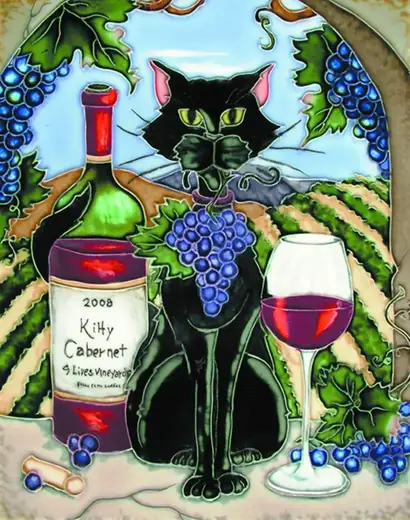
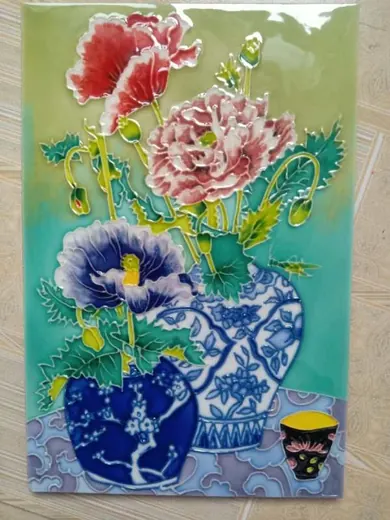
Glazed Ceramic Hand Painted Tile
Tall format glazed panel work for narrow walls and framed display
View detailsMore articles
Reader Questions
Is this craft officially recognised?
Which subjects belong to the tradition?
Which shapes are traditional?
Ask Us About the Process
If something in this article matters for your project, email the workshop and we will answer it directly.