Preservatives and humectants shipped worldwide from Huaibei Anhui China

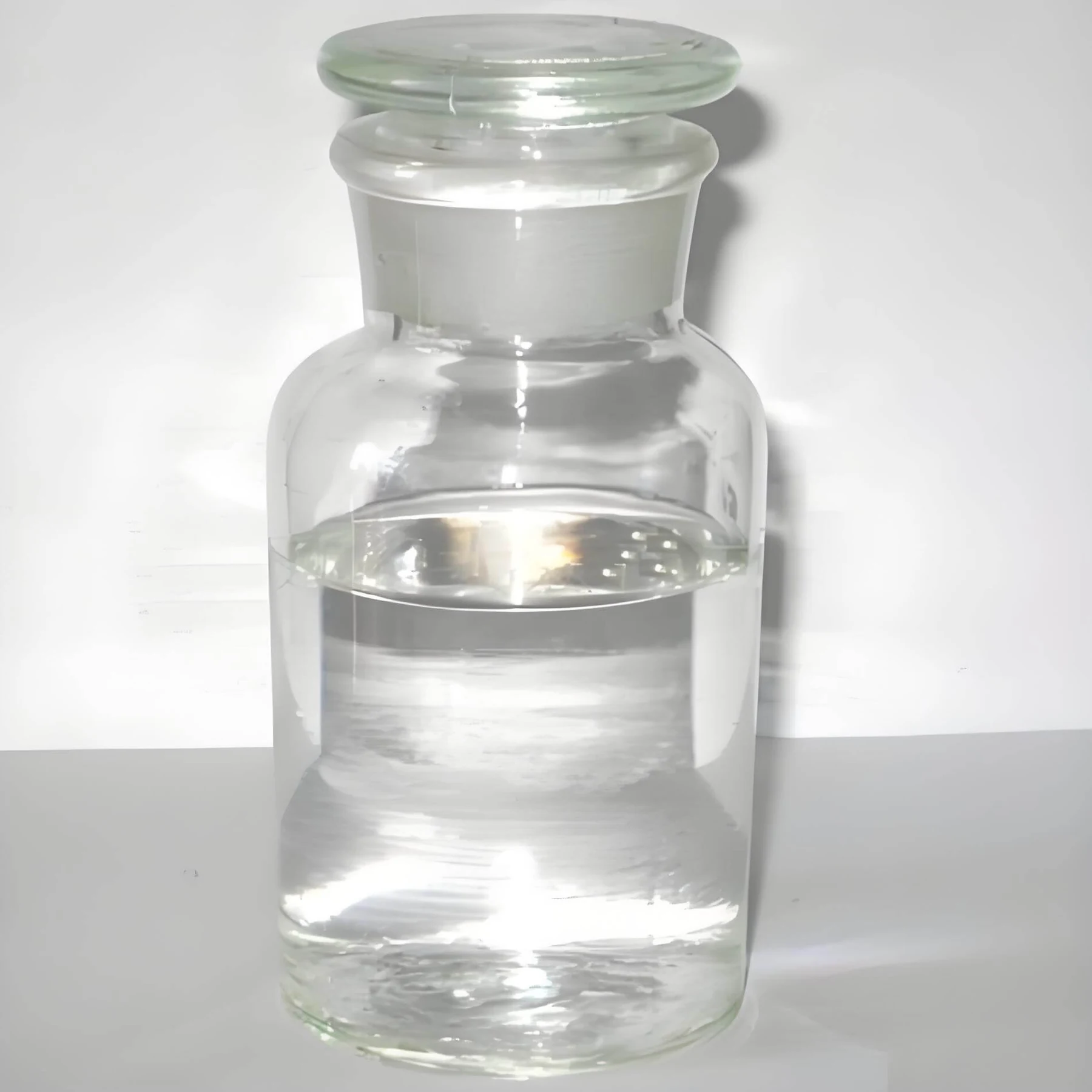
Broad-spectrum cosmetic preservative effective against bacteria yeast and mould
Phenoxyethanol is the most widely used broad-spectrum preservative in modern cosmetics. It is effective against bacteria, yeast and mould, and it is chosen over older systems for its stability, its compatibility with most emulsions and surfactant bases, and its mildness at the concentrations regulators allow. Anhui Xiwe supplies it at high purity grades of 99 percent and above, in packaging from 25 kg drums up to 200 kg drums.
CAS 122-99-6 Preservatives With Humectant Properties
One ingredient addresses bacteria, yeast and mould, so a single preservative can carry an entire aqueous formulation instead of a three-part cocktail.
Excellent stability and compatibility mean it survives the pH and surfactant environments that break down organic acid preservatives.
Complies with major international cosmetic regulations at the standard limit of 1.0 percent, so one formula can ship to the EU, the US and China.
Combined with glycols such as caprylyl glycol or with ethylhexylglycerin, preservation performance rises and total dosage can come down.
| Purity | High purity grades of 99 percent and above |
|---|---|
| Regulatory status | Complies with major international cosmetic regulations |
| Function | Broad-spectrum preservative against bacteria, yeast and mould |
| Boosting | Combine with glycols such as caprylyl glycol for enhanced preservation |
| CAS No. | 122-99-6 |
|---|---|
| Purity | High purity grades, 99 percent and above |
| Function | Broad-spectrum preservative |
| Maximum use level | 1.0 percent in cosmetics under EU, US and CN safety standards |
| Infant products | 0.4 percent or lower if essential for products for children under three years |
| Packaging | 25 kg drum, 200 kg drum, or as per customer request |
| Appearance | TBC on request |
| Water content | TBC on request |
We partner only with manufacturers that have proven track records and modern facilities. Certificates of Analysis are provided for every shipment, and products are produced to meet relevant standards such as ISO, USP and EP where applicable.
The manufacturer is audited before the first order, not after a complaint.
Every shipment carries a Certificate of Analysis tied to the lot you receive.
MSDS/SDS, Certificate of Origin and the commercial and transport documents travel with the goods.
Safety information above comes from the product documentation for Phenoxyethanol. Confirm every limit against the regulation in force in your destination market before you commit a formulation to production.
| Option | Behaviour | Best suited to |
|---|---|---|
| Phenoxyethanol | Broad spectrum, stable, capped at 1.0 percent | General purpose preservation of aqueous formulations |
| 1,2-Hexanediol | Mild preservative and humectant, no hard cap but effective around 5 percent | Lower-dose systems and preservative-free claims |
| Ethylhexylglycerin | Booster and skin conditioner rather than a standalone preservative | Raising the performance of a phenoxyethanol system |
| Phenoxyethanol and Ethylhexylglycerin Blend | Both of the above pre-mixed at a typical 1:9 ratio | Plants that want one weighing step |
Drum sizes listed in the specification table, or packaging as per customer request.
Document pack prepared for your destination market, whether EU, United States or China NMPA.
For blended systems, the ratio can be discussed against the formulation you are preserving.
Preservative booster deodorant agent and skin conditioner in one ingredient
CAS 70445-33-9 →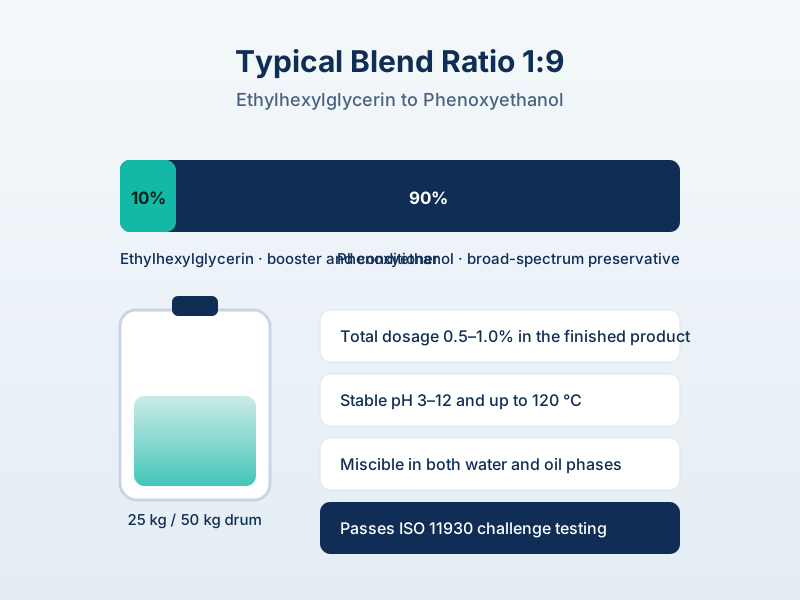
Synergistic preservative system dosed as a single raw material
CAS 122-99-6 and 70445-33-9 →
Humectant mild preservative and solvent for preservative-free claims
CAS 6920-22-5 →A four-question method for picking between phenoxyethanol, 1,2-hexanediol, a booster and a ready-made blend, with the dosage limits that apply to each.
Comparison ArticleOne is a capped broad-spectrum preservative, the other a multifunctional humectant with mild preservation. The difference decides your label claim as much as your shelf life.
The safety standard in the EU, the US and China is 1.0 percent of the finished product. For products intended for children under three years, keep it at 0.4 percent or lower and only where it is essential.
It is a broad-spectrum preservative active against bacteria, yeast and mould, which is why it can carry a formulation without a second antimicrobial in many cases.
Yes. Combining phenoxyethanol with glycols such as caprylyl glycol, or with ethylhexylglycerin, enhances preservation so the total system can work at a lower phenoxyethanol level.
25 kg drums and 200 kg drums as standard, or packaging as per customer request.
Yes. A Certificate of Analysis is issued for every batch shipped, along with MSDS/SDS and the Certificate of Origin for customs clearance.
It is considered mild at the permitted levels, and rinse-off formats are the safer choice for sensitive skin. For leave-on products aimed at reactive skin, pentylene glycol or potassium sorbate are common alternatives to consider.
Send the grade, the annual volume, the packaging you prefer and the destination market. Pricing and the document pack come back within 24 hours.