
Silicon Steel
Silicon Steel For Transformers
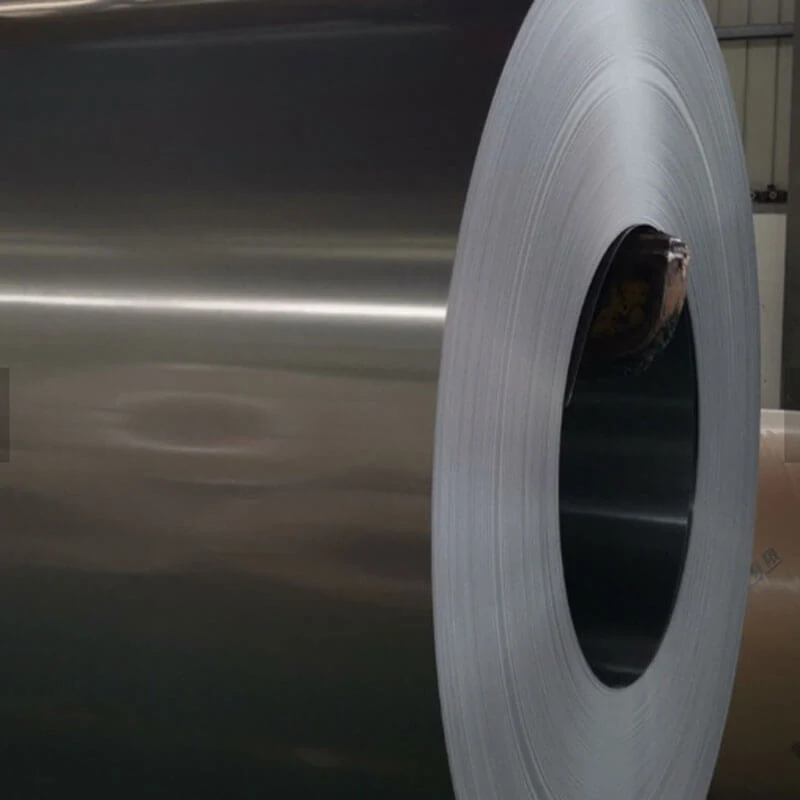
Electrical steel, also called silicon steel, is a steel containing silicon that creates a hysteresis region, increases permeability and reduces core losses, which makes it a soft magnetic alloy used throughout electrical engineering. It is manufactured cold rolled and is typically less than 2 mm thick.
- Grain oriented electrical steel
- Non-oriented electrical steel
Product Overview
Electrical steel, also called silicon steel, is a steel containing silicon that creates a hysteresis region, increases permeability and reduces core losses, which makes it a soft magnetic alloy used throughout electrical engineering. It is manufactured cold rolled and is typically less than 2 mm thick. Sheets are pressed into stacks for transformer cores and for stator and rotor cores in electric motors, then cut and shaped using a dimple die, laser or EDM process. It is divided into two main categories, oriented and non-oriented.
Key Benefits
- Reduced core losses compared with ordinary steel, which is what transformer efficiency depends on
- Increased permeability for a given core cross section
- Oriented and non-oriented grades for transformers and rotating machines respectively
- Cold rolled to typically less than 2 mm for stacking
- Cut and shaped by dimple die, laser or EDM as the core design requires
Problems It Solves
- Core losses that make a transformer fail its efficiency specification
- Ordinary steel used in cores, with high hysteresis loss
- The wrong orientation grade chosen for a rotating machine
- Lamination thickness that does not suit the stacking factor required
Where It Is Used
Applications And Buyers
Application Scenarios
- Transformer core laminations
- Stator and rotor cores in electric motors
- Reactor and inductor cores
- Repair and replacement of damaged core stacks
Who It Is For
- Transformer manufacturers
- Electric motor producers
- Core lamination stamping shops
- Repair workshops rebuilding cores
Technical Features And Specifications
Technical Features
- Silicon bearing soft magnetic alloy
- Cold rolled, typically less than 2 mm thick
- Oriented and non-oriented categories
- Supplied for pressing into stacks as silicon steel sheets
- Cut and shaped by dimple die, laser or EDM
| Material | Electrical steel (silicon steel) |
|---|---|
| Form | Cold rolled sheet |
| Thickness | Typically less than 2 mm |
| Categories | Oriented and non-oriented |
| Typical Use | Transformer cores, motor stator and rotor cores |
| Processing Methods | Dimple die, laser cutting, EDM |
How It Is Made And Checked
Materials Process And Quality Control
Materials
- Grain oriented electrical steel
- Non-oriented electrical steel
Manufacturing Process
- Cold rolling
- Slitting
- Stacking
- Die cutting or laser cutting
Quality Control
- Specification agreed in writing before production starts
- First article or sample approved against the agreed specification
- Goods inspected and photographed at the factory before loading
- Inspection report sent to you before the container sails
Customisation Options
What Can Be Varied
- Oriented or non-oriented grade
- Thickness and width to the core design
- Coil or cut sheet supply
- Lamination shapes cut by die, laser or EDM
- Coating type for interlaminar insulation
Compared With The Alternatives
| Oriented versus non-oriented | Grain oriented steel has the lowest losses in one direction, which suits a transformer core; non-oriented steel performs the same in all directions, which is what a rotating machine needs. |
|---|---|
| Ordinary carbon steel | Silicon content is what creates the hysteresis behaviour, raises permeability and cuts core losses, none of which ordinary steel offers. |
Use Guide
- Choose oriented steel for transformer cores and non-oriented for motors
- Keep laminations clean and burr free so stacking factor is maintained
- Confirm the interlaminar coating suits your cutting and stacking method
- State thickness from the core design rather than from availability
Questions
Questions Buyers Ask About This Product
What is silicon steel?
A steel containing silicon that exhibits special magnetic properties: a hysteresis region, increased permeability and reduced core losses. It is a soft magnetic alloy widely used in electrical engineering.
What thickness is it supplied in?
It is manufactured cold rolled and is typically less than 2 mm thick.
Which category should I use?
Oriented steel for transformer cores, non-oriented for stator and rotor cores in rotating machines.
How are laminations cut?
After being pressed into stacks, electrical steel is usually cut and shaped using a dimple die, laser or EDM process.
Can you supply cut laminations as well as sheet?
Send the core drawing and quantity and we will quote sheet or cut laminations.
Related Products
Others In Silicon Steel
Get A Price For Silicon Steel For Transformers
Send the duty figures, the material if it is fixed, and the quantity. We will confirm the specification and quote against it.