
Other Food & Beverage Equipment
Cheese Vat
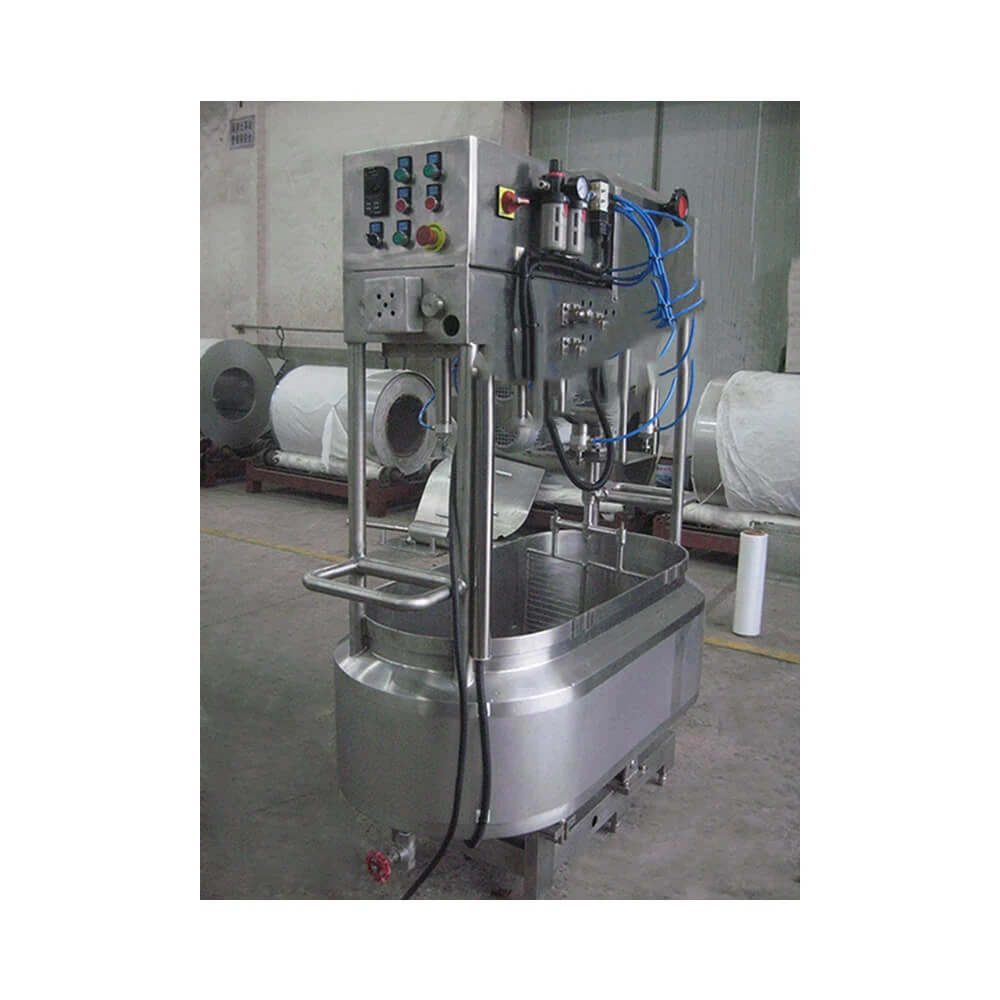
Model HTK-GLC-01 cheese vat in volumes from 500 L to 2000 L, built in SUS304 or SUS316L. It is the vessel where milk is coagulated, cut and stirred to make cheese, and is used in dairy production lines, dairy farms and milk plants.
- SUS304 stainless steel
- SUS316L stainless steel
Product Overview
Model HTK-GLC-01 cheese vat in volumes from 500 L to 2000 L, built in SUS304 or SUS316L. It is the vessel where milk is coagulated, cut and stirred to make cheese, and is used in dairy production lines, dairy farms and milk plants. Construction follows food hygiene standards with no dead corners, so the vat cleans quickly between batches.
Key Benefits
- Volumes from 500 L to 2000 L, suited to farm and artisan scale cheesemaking
- SUS304 or SUS316L construction
- No dead corner design for fast, complete cleaning between batches
- Simple to operate and maintain
- Minimum order of one unit
Problems It Solves
- Cheesemaking in vessels that were never designed for it
- Vats that trap curd in corners and fail hygiene inspection
- Batch sizes that do not match the milk available
- Equipment too large for a farm scale operation
Where It Is Used
Applications And Buyers
Application Scenarios
- Making cheese on a dairy farm alongside fresh milk production
- Artisan cheese production at 500 to 2000 L batches
- Adding a cheese line to an existing dairy
- Product development batches before scaling up
Who It Is For
- Dairy farms diversifying into cheese
- Artisan and regional cheesemakers
- Dairy plants adding a cheese product line
- Cooperatives processing members' milk
Technical Features And Specifications
Technical Features
- Product volume 500 L to 2000 L
- SUS304 or SUS316L construction
- Built to food hygienic standard
- No dead corner construction
- Factory output of 100 units per month
| Product Model | HTK-GLC-01 |
|---|---|
| Product Volume | 500 L to 2000 L, customised |
| Material | SUS304 / SUS316L |
| Construction | Food hygienic standard, no dead corner |
| Minimum Order | One unit |
| Factory Output | 100 units per month |
How It Is Made And Checked
Materials Process And Quality Control
Materials
- SUS304 stainless steel
- SUS316L stainless steel
Manufacturing Process
- Stainless steel fabrication
- Welding
- Polishing
- Testing
Quality Control
- Specification agreed in writing before production starts
- First article or sample approved against the agreed specification
- Goods inspected and photographed at the factory before loading
- Inspection report sent to you before the container sails
Customisation Options
What Can Be Varied
- Volume from 500 L to 2000 L
- SUS304 or SUS316L construction
- Stirring and cutting tool arrangement
- Jacket for heating and cooling
- Drain and whey removal arrangement
Compared With The Alternatives
| Blending tank | A blending tank mixes liquids; the cheese vat is built for coagulation, cutting and curd handling, which is a different mechanical duty. |
|---|---|
| Larger industrial cheese vats | At 500 to 2000 L this vat suits farm and artisan production; industrial cheese lines work at much larger volumes with automated curd handling. |
Use Guide
- Size the vat to the milk volume available from one collection
- Heat and cool through the jacket gently to avoid damaging the curd
- Clean immediately after whey removal, before residue dries
- Keep the cutting tools sharp and true for consistent curd size
Questions
Questions Buyers Ask About This Product
What volumes are available?
500 L to 2000 L, customised to your batch size.
Which material is used?
SUS304 or SUS316L stainless steel, both available.
Where is it used?
In dairy production lines, dairy industry plants, dairy farms, cow farms and milk plants for making cheese products.
Is it easy to clean?
It is built to food hygienic standard with no dead corners.
What is the minimum order?
One unit.
Related Products
Others In Other Food & Beverage Equipment
 Plant Utility Equipment
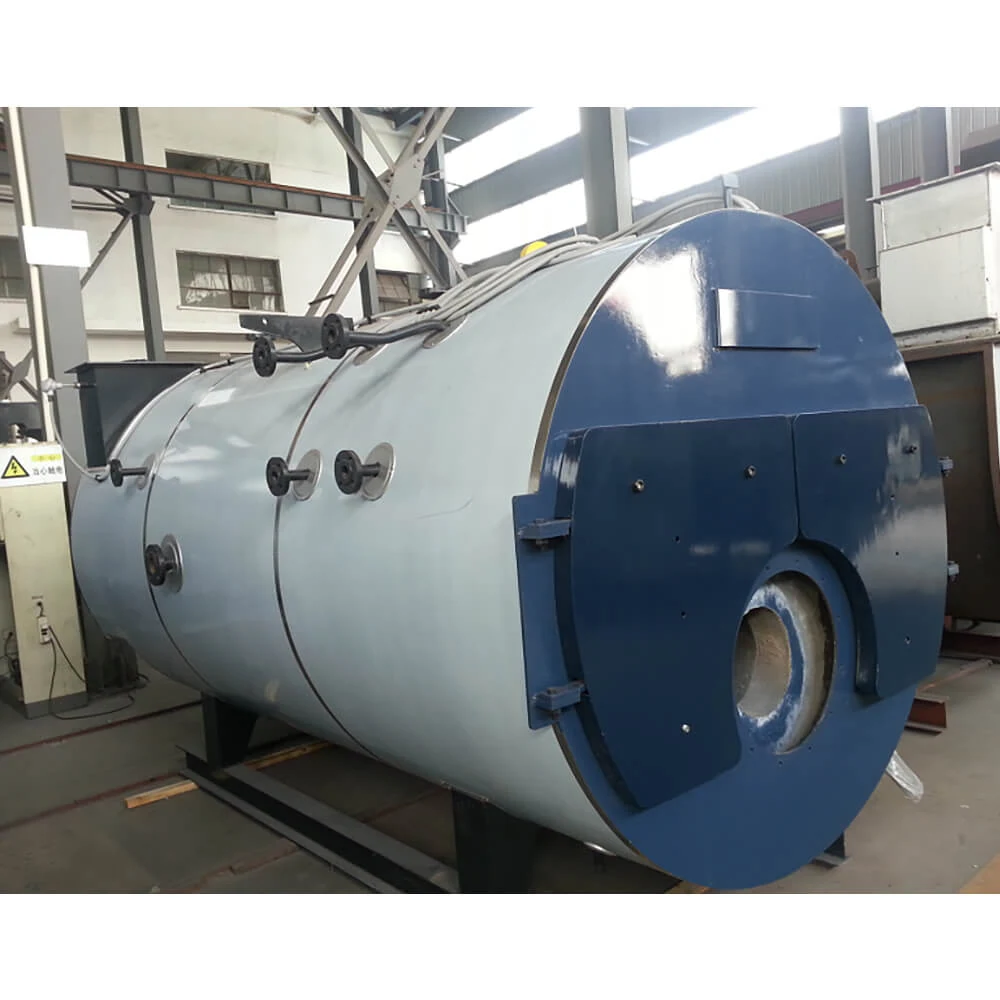
Steam Boiler For Food And Beverage Plants
Model HTK-GL-01 boiler supplying process steam to food and beverage production. It is available as an electrical…
View Product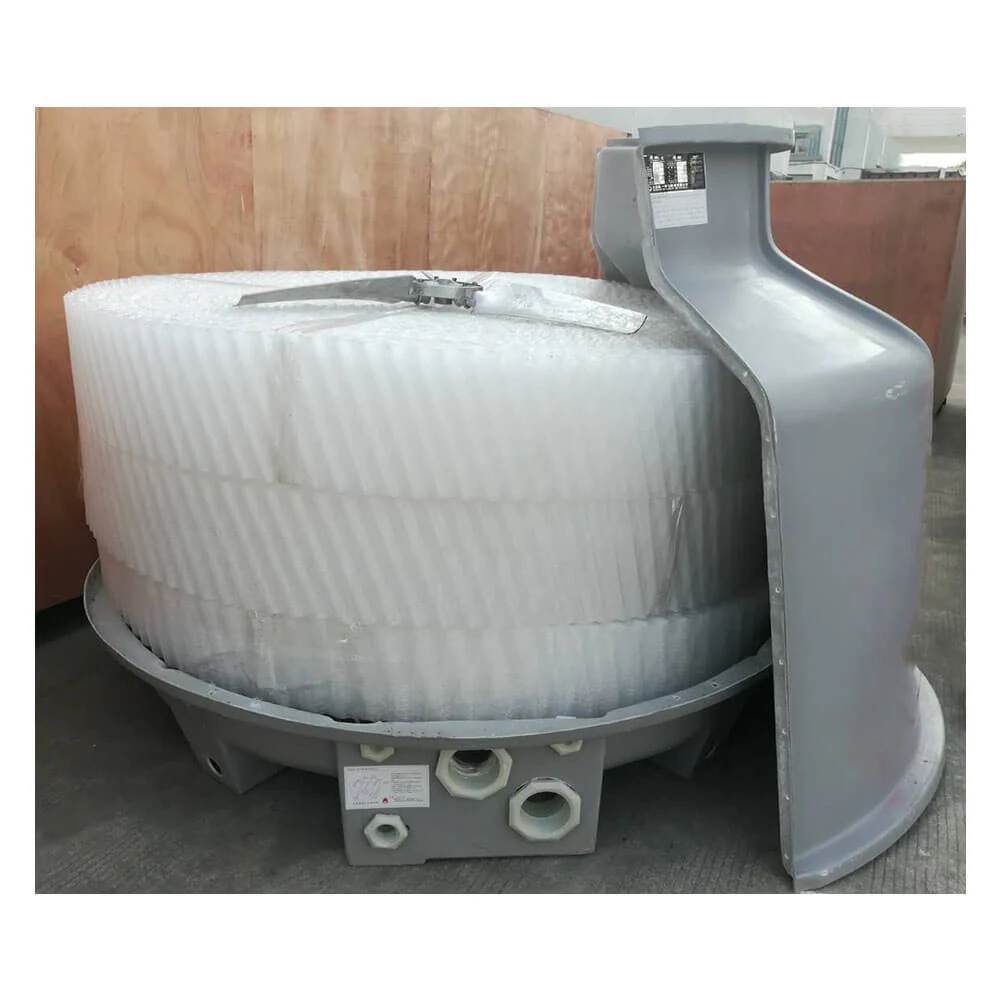 Plant Utility Equipment
Cooling Tower
Model HTK-LQT-01 cooling tower for food and beverage plants, available as a circular flow inverse cooling tower of…
View Product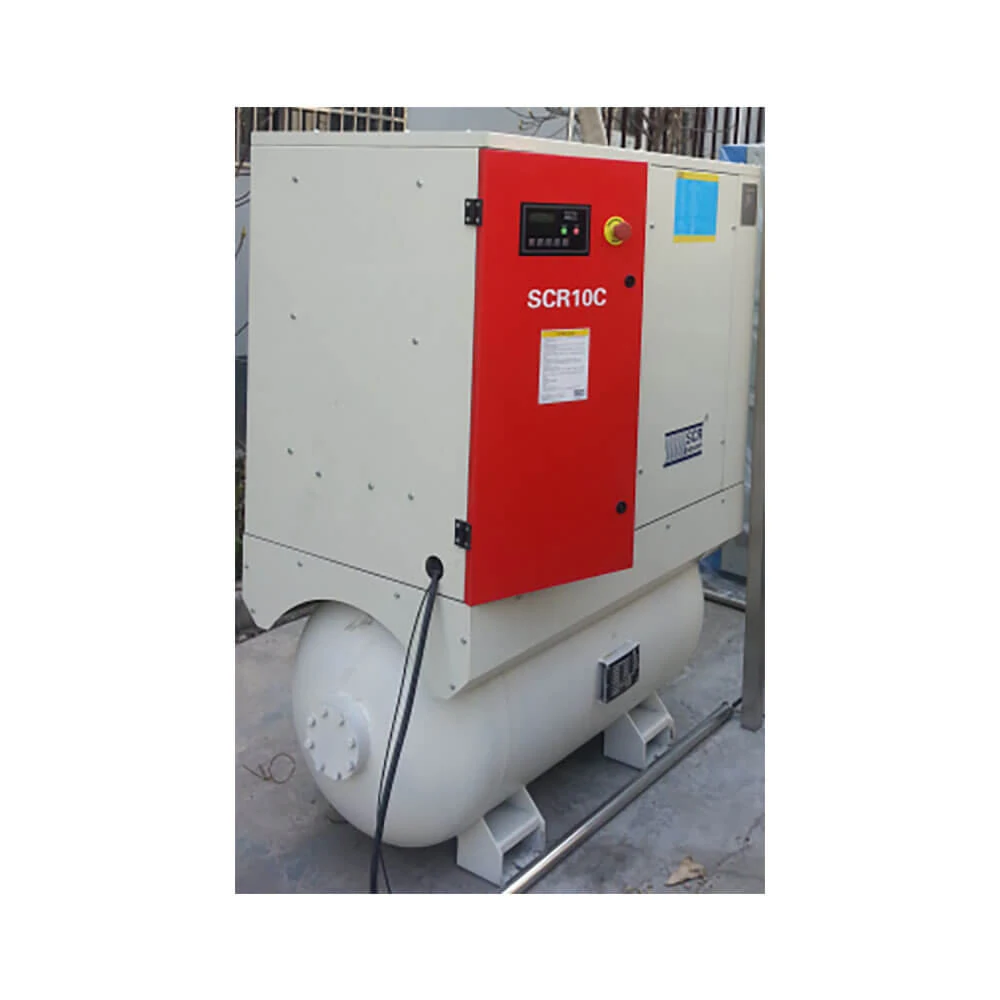 Plant Utility Equipment
Oil Free Air Compressor
Model HTK-KYJ-01 air compressor for food and beverage production, available as an oil free screw compressor or as a…
View Product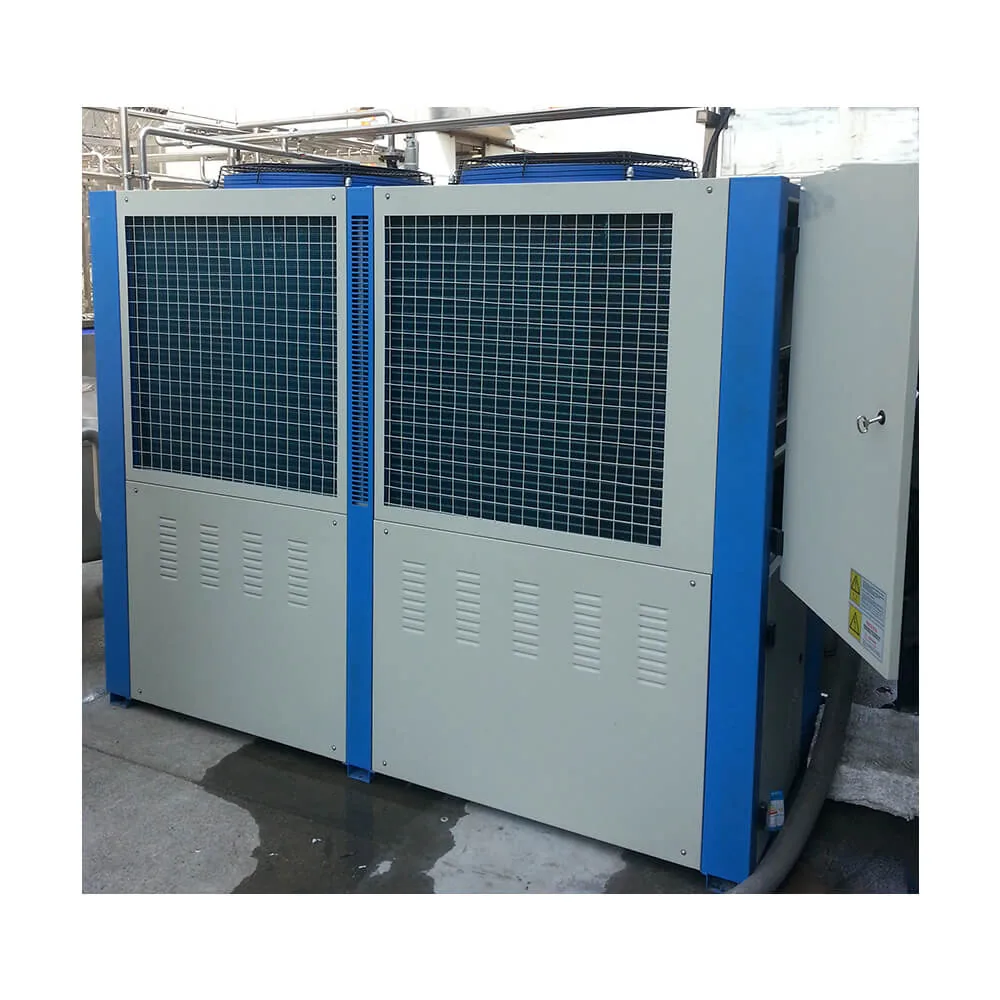 Plant Utility Equipment
Chilling Unit
Model HTK-C-01 chilling unit supplying chilled water or glycol to a processing line, available as an air cooler type…
View Product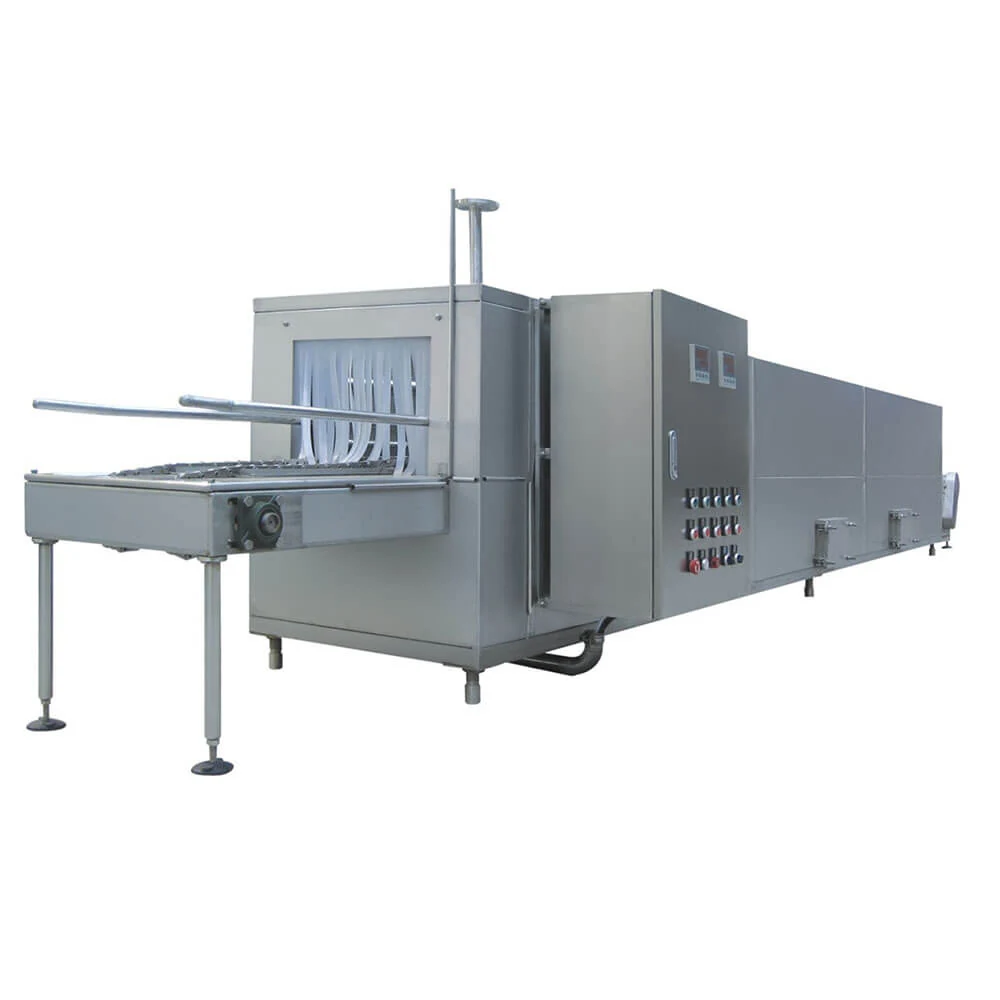 Crate Washing Machines
Crate Washing Machine
Model HTK-XXJ-01 crate washing machine built in SUS304 stainless steel, with a working capacity from 150 to 1200…
View Product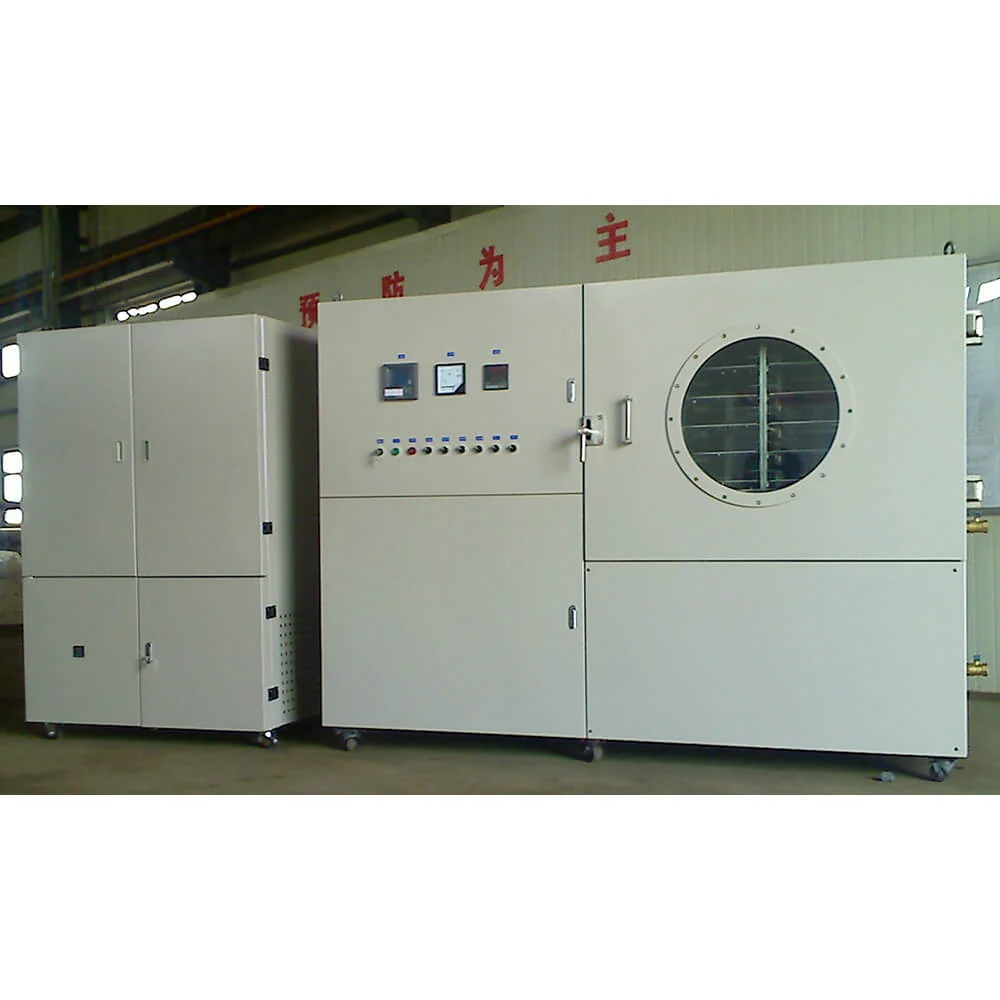 Other Food & Beverage Equipment
Freeze Dryer
Model HTK-DGJ-01 freeze dryer with input capacities from 3 kg, 5 kg and 10 kg through to 1000 kg, 2000 kg and 5000…
View ProductFurther Reading
Guides And Industries That Cover This
Get A Price For Cheese Vat
Send the duty figures, the material if it is fixed, and the quantity. We will confirm the specification and quote against it.