
Preclinical & Process Development
The jump from milligrams to the first kilo is where routes break. Pilot equipment and the chemists who wrote the route sit in the same building here.
The pressure
What actually goes wrong
Preclinical programmes need more material than discovery produced, made by a route that will survive scrutiny. The discovery route usually will not: it has a cryogenic step nobody costed, a chromatography that cannot scale, or a palladium residue nobody measured.
The answer
Pilot-scale reality check
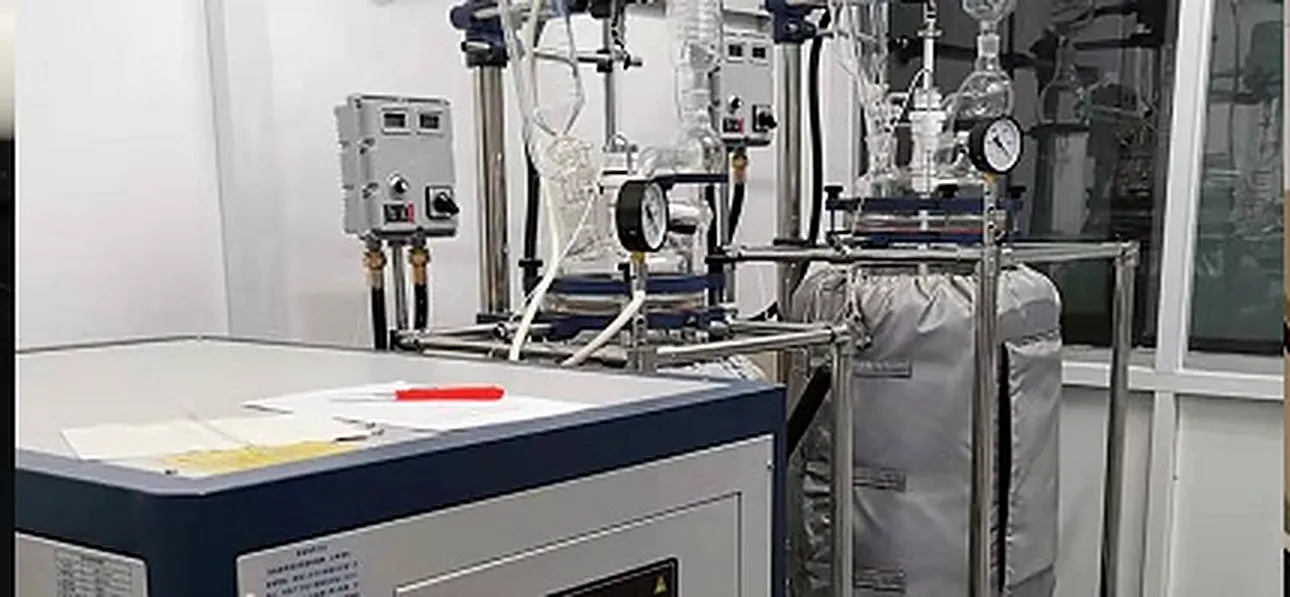
Two 20 L and six 50 L reactors covering −70 °C to 200 °C mean the route can be tested at scale rather than argued about on paper.
Residue and impurity work
Metal residues from homogeneous catalysts are treated as a development problem with a documented approach, not left to the final purification.
Continuity into supply
The same route carries into repeat production, in-house up to the hundred-kilogram range and through partner plants beyond it.
What this looks like in practice
- Route optimisation before scale, not after a failed batch
- Cryogenic and high-temperature chemistry under one roof
- Documented handover into repeat production
Compounds teams like yours ask for
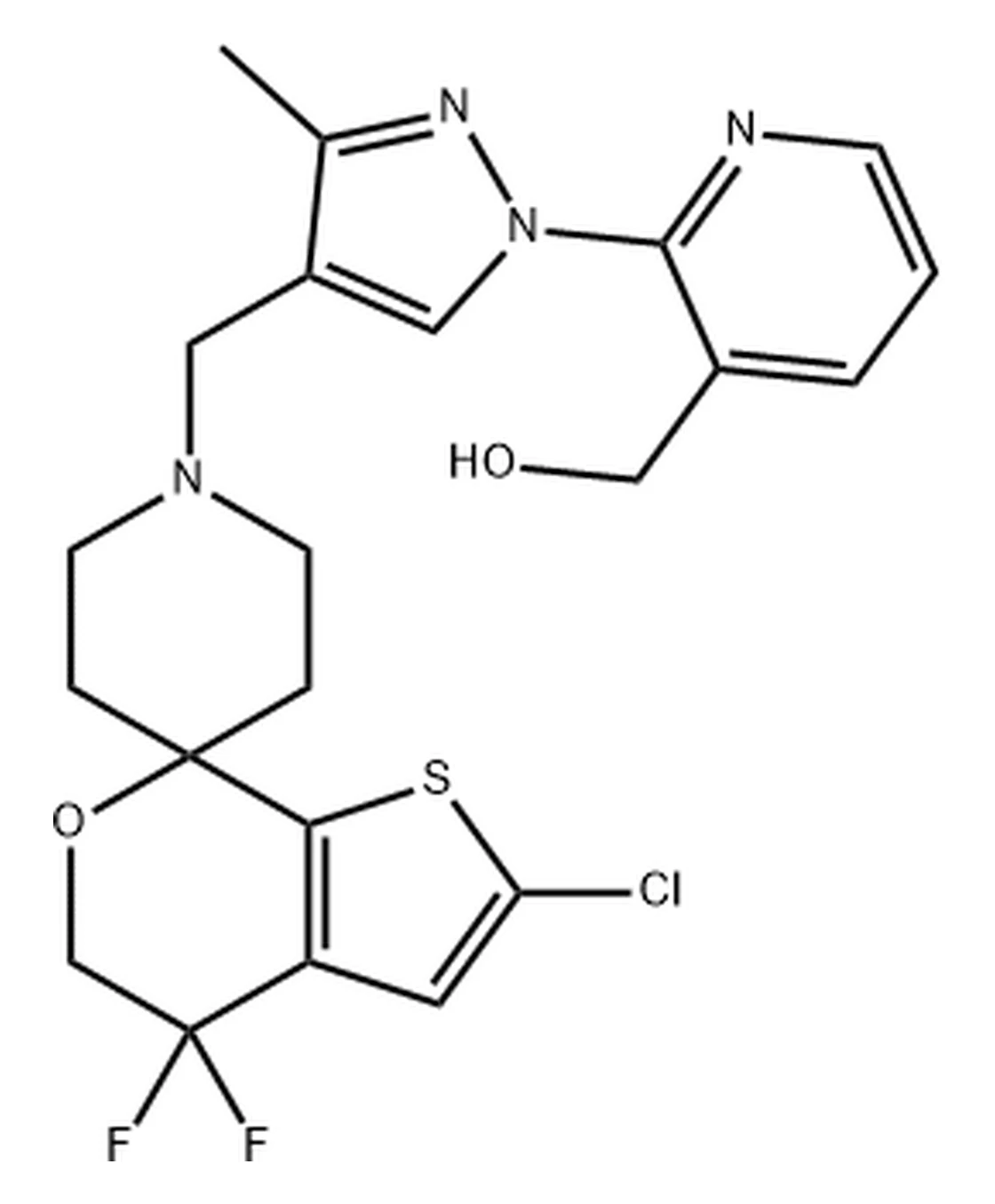
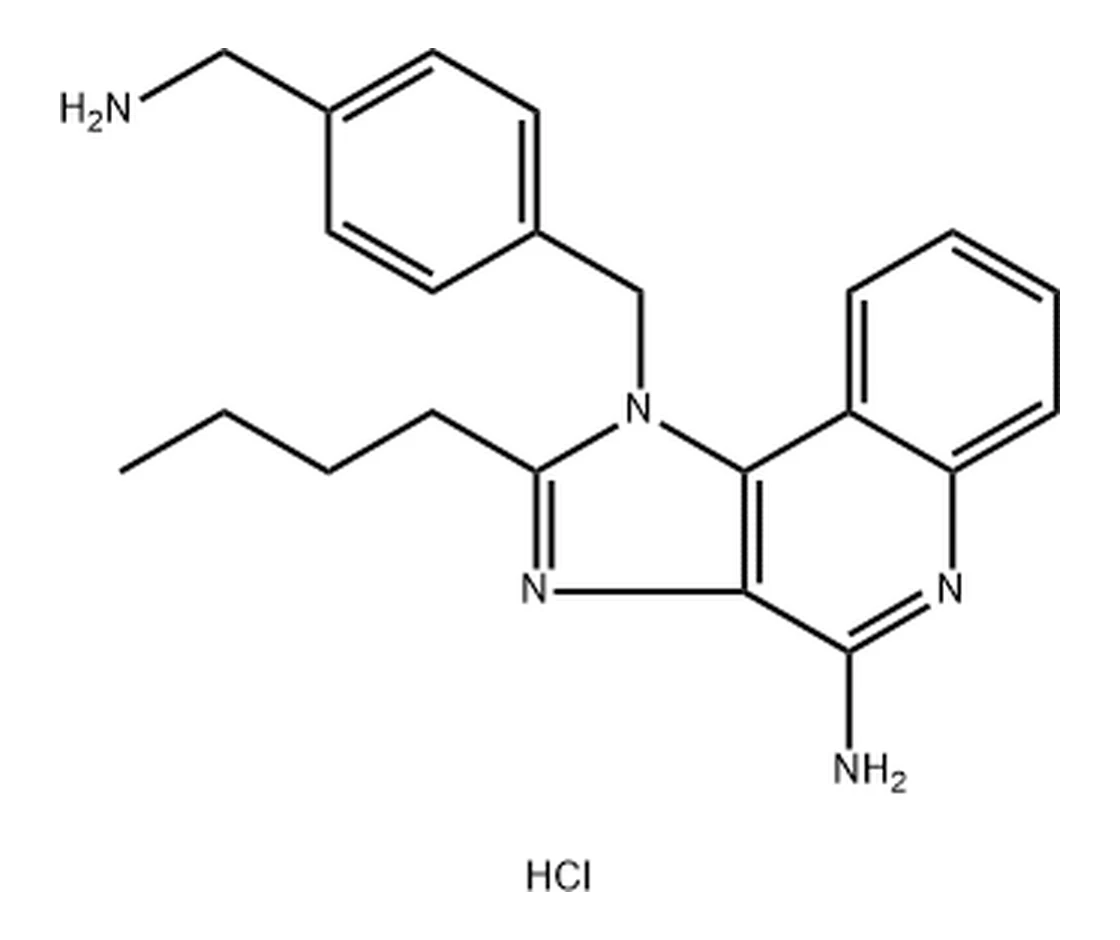
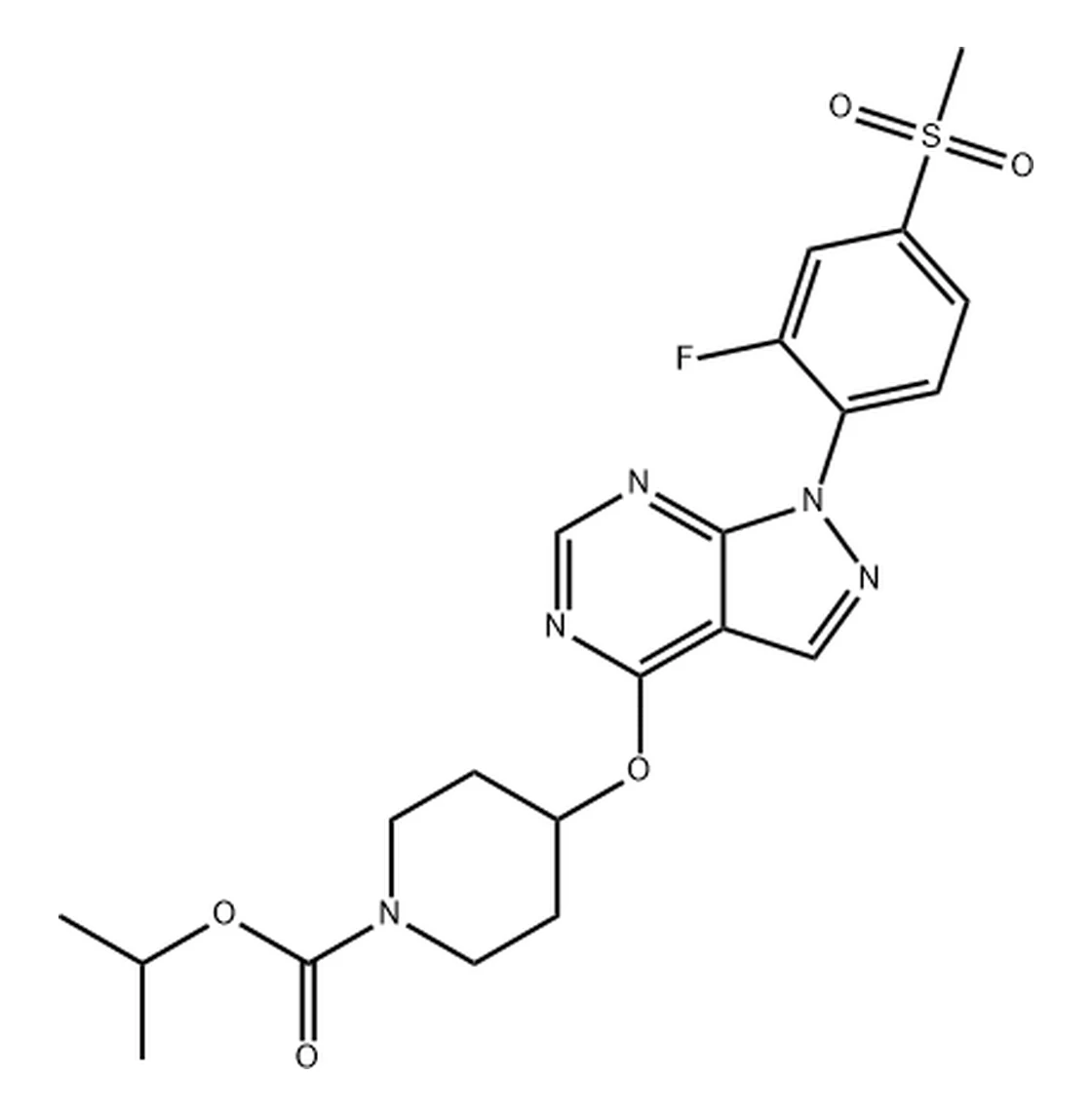
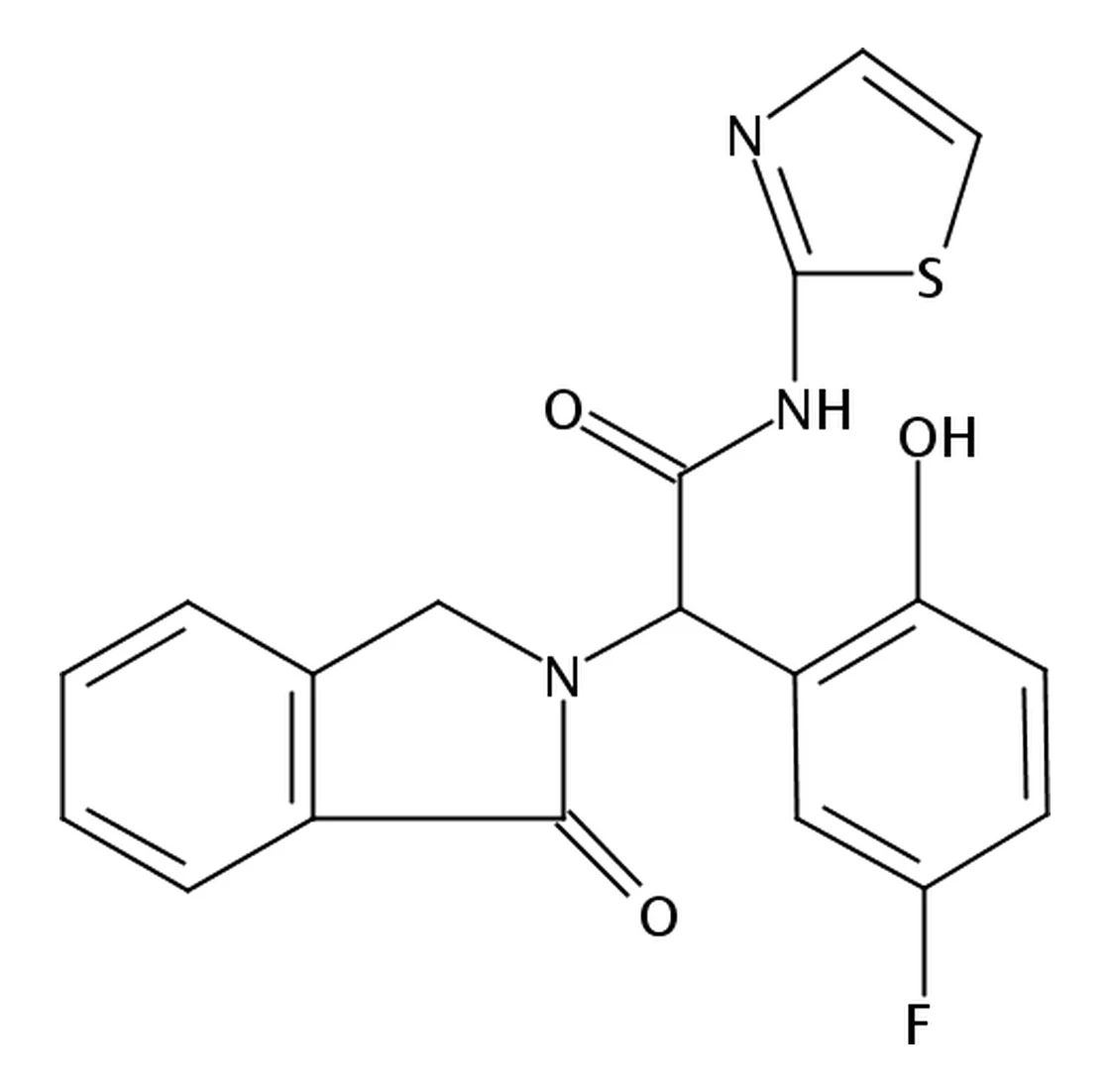
A sample of what is documented on this site. The searchable catalogue holds 672 compounds in total.
Other teams we supply
Drug Discovery Chemistry
Medicinal chemistry teams lose weeks to compounds nobody sells. WesynTech's catalogue and custom synthesis exist to shorten that wait.
CRO & CDMO Supply Partners
Service organisations are judged on what their own suppliers do. WesynTech works as the upstream chemistry partner behind those programmes.
Tell us what is holding the programme up
One structure, one quantity, one date. That is enough for the team to say whether it is a catalogue answer or a custom synthesis project.