
Other Magnesium Products · Magnesium Tooling Plate
Magnesium Tooling Plate
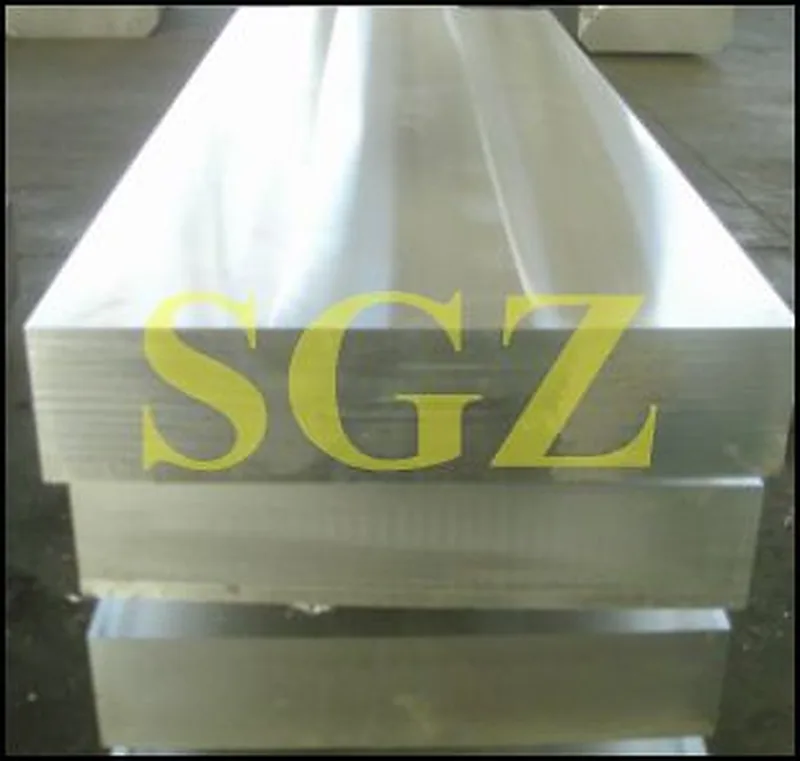
Polished magnesium tooling plate, 100-1000 mm thick, non-magnetic, damping, dimensionally stable.
Overview
What This Product Is
SGZ Magnesium Tooling Plate, model P003, is a thick polished flat plate for tooling that has to stay dimensionally stable. It is specified where a shop needs a plate that absorbs vibration better than aluminium, is lighter than steel or copper, and is non-magnetic.
Damps vibration
Absorbs vibration for longer life than aluminium, with good dimensional stability.
Five to seven times longer tooling life
SGZ reports 5 to 7 times longer shelf life for tooling work.
Flat and parallel
Excellent thickness and flatness tolerance control.
Wide temperature window
Suited to service from 350 degrees Fahrenheit down to minus 30 degrees Fahrenheit.
Non-magnetic
High electrical and thermal conductivity, which suits electronics and computer applications.
Who it is for
Buyers Who Specify It
Vibration test laboratories
Fixture plates that must damp rather than ring.
Jig and fixture shops
Tooling that has to hold its dimension over years of use.
Optical bench and metrology builders
Flat, stable, non-magnetic platforms.
Electronics and computing manufacturers
Applications where a magnetic fixture is not acceptable.
Inspection gauge makers
Gauge bodies that must not drift.
Problems it solves
What Goes Wrong Without It
- Aluminium fixtures ring under vibration and fatigue early. Magnesium absorbs vibration and gives longer life than aluminium.
- Steel tooling of the same size is heavy to move and set. Magnesium is lighter than steel, copper and most metals.
- Tooling that drifts after machining wrecks a gauge programme. This plate stays dimensionally stable in machining and over time.
- Magnetic fixtures interfere with electronics work. Magnesium is non-magnetic.
- Alkaline cleaning attacks some light alloys. This plate gives good alkali resistance and cleans up easily.
Technical data
Specifications
Every figure below is taken from the SGZ specification for the Magnesium Tooling Plate. Where SGZ does not publish a value, none is invented.
| Product type | Magnesium tooling plate |
|---|---|
| Model number | P003 |
| Surface | Polished |
| Common thickness | 100 - 1000 mm, or as required |
| Tooling life | 5 - 7 times longer for tooling work |
| Service temperature | 350 F to -30 F |
| Magnetism | Non-magnetic |
| Applications | Vibration test equipment, jigs, fixtures, optical benches, inspection gauges |
Technical Features
- Model P003, surface polished
- Common thickness 100 mm to 1000 mm, or to a customer requirement
- Dimensionally stable in machining and over time
- Good ductility and weldability for limited room-temperature forming
- Good alkali resistance and easy to clean
- Good corrosion resistance
- Strong and hard for a light alloy
- Non-magnetic, with high electrical and thermal conductivity
Materials
Magnesium, produced so the finished plate has exceptional dimensional stability in machining and remains stable over time.
How it is made
Manufacturing Process
Casting and processing
The plate is produced by a process that gives exceptional dimensional stability.
Thickness setting
Plate is produced from 100 mm to 1000 mm thick, or to the customer requirement.
Polishing
The surface is polished.
Flatness control
Thickness and flatness tolerance are controlled across the plate.
Packing
Crated on a wood pallet or in a wood case for export.
Quality Control
- Thickness and flatness tolerance controlled across the plate
- Dimensional stability verified through the production process
- Surface polish inspected before packing
Customisation Options
- Any thickness in the 100 - 1000 mm range, or a customer thickness
- Cut to a customer plan size
- Supplied polished as standard
Certification
SGZ does not publish third-party certification for this item, so none is claimed here. Ask [email protected] if your market requires specific documentation.
Comparison
How It Compares With the Alternatives
Vibration Testing Magnesium Plate
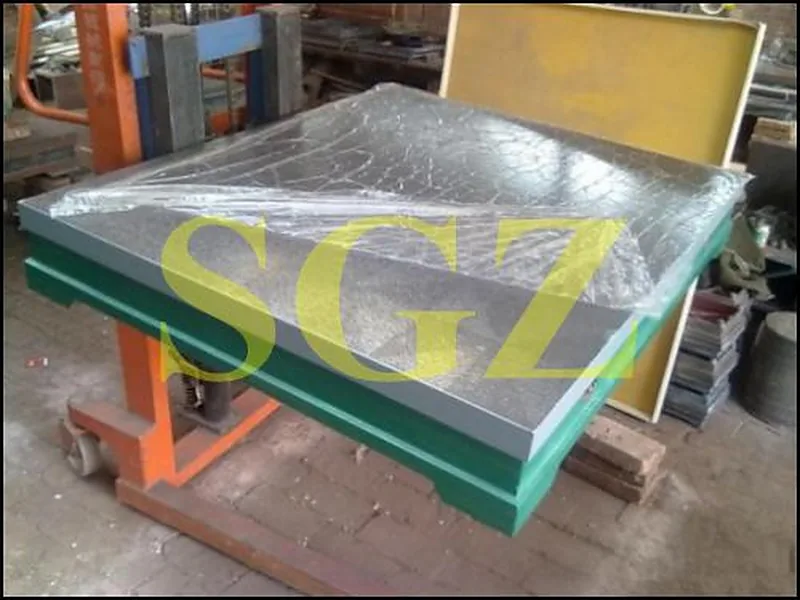
The vibration testing plate is this same tooling plate applied to vibration rigs. Order it by that name when the end use is a test table.
Highly Polished Magnesium Plate for Engraving and Etching
The photoengraving plate starts at 0.5 mm and is bought for etching. Tooling plate starts at 100 mm and is bought for stiffness and damping.
Use Guide
- Specify the finished thickness you need; SGZ produces from 100 mm to 1000 mm.
- Machine to your fixture drawing; the plate stays stable through machining.
- Use alkaline cleaners freely; the plate resists them well.
- Keep service temperature inside the 350 F to -30 F band.
Related Products
Other Magnesium Products
Vibration Testing Magnesium Plate
Magnesium tooling plate applied to vibration test rigs in metallurgy, moulding, food, chemical and construction work.
View product →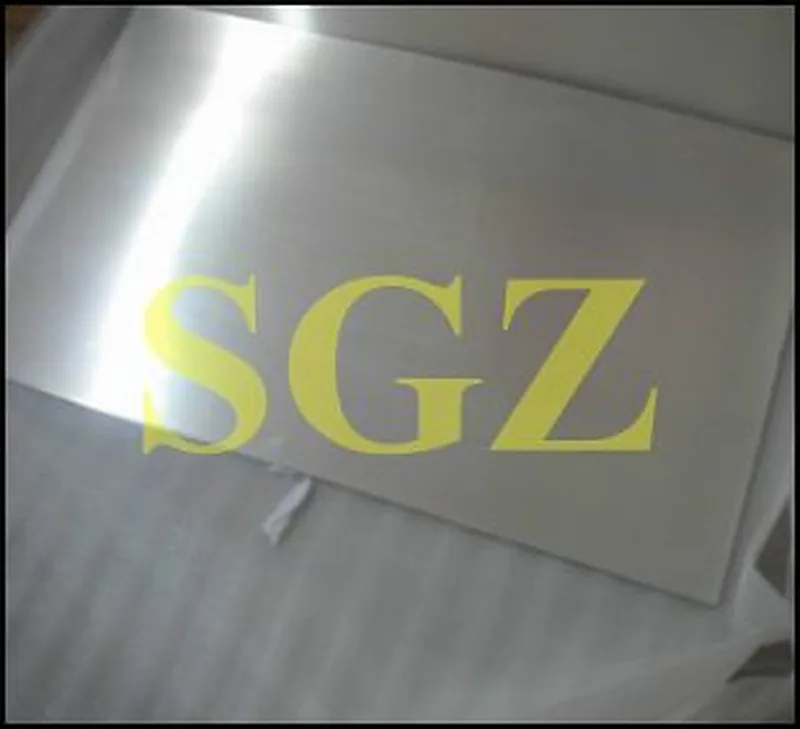
Photoengraving Magnesium Plate
Highly Polished Magnesium Plate for Engraving and Etching
Uncoated highly polished magnesium plate to 2000x1500 mm, from 0.5 mm, for CNC engraving and in-house resist.
View product →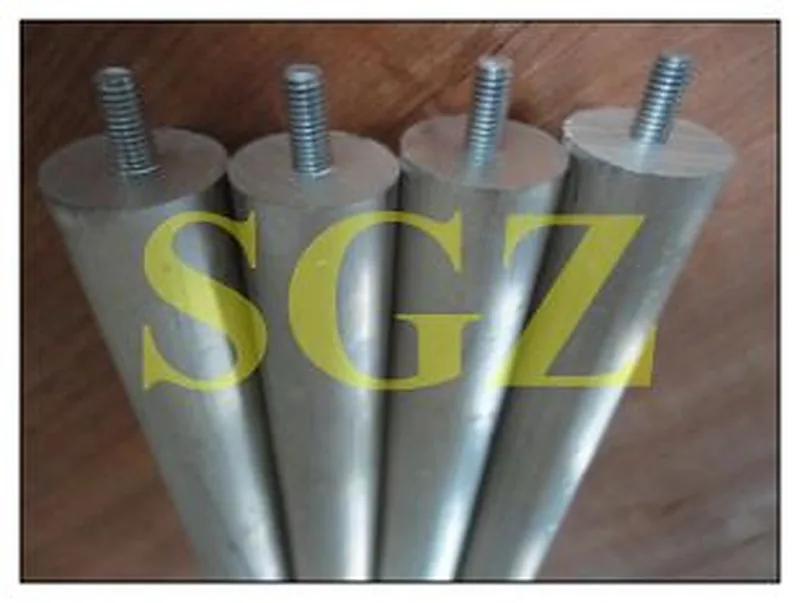
Other Magnesium Products
Magnesium Sacrificial Anode
Cast or extruded magnesium anodes, round or cube, with holes or threads, for cathodic protection.
View product →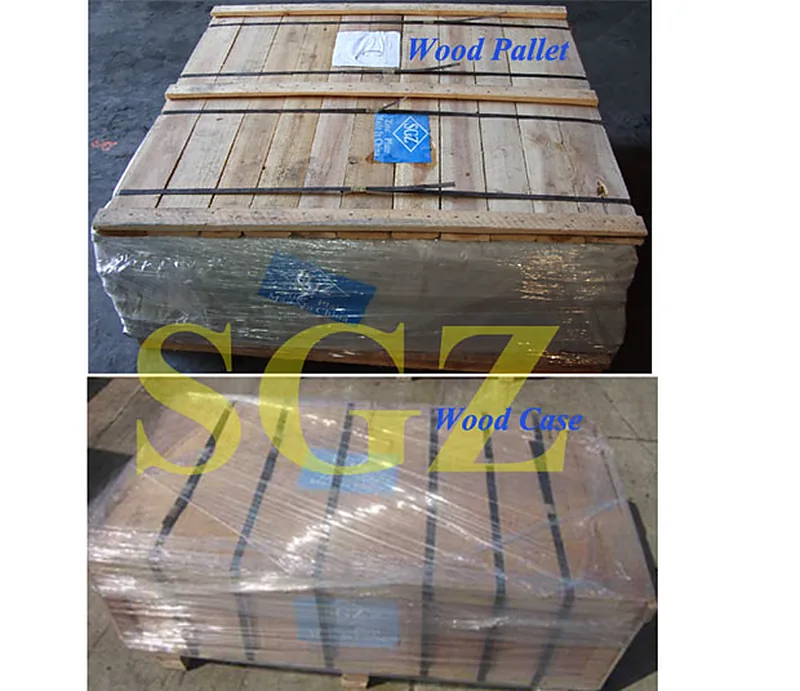
Other Magnesium Products
Export Packing for SGZ Plate and Anodes
Inner carton with outer wood pallet or wood case, labelled SGZ, built for long-distance shipping.
View product →Answers
Magnesium Tooling Plate Questions
How thick is magnesium tooling plate?
Commonly 100 mm to 1000 mm, and SGZ will produce to a customer thickness.
Why use magnesium instead of aluminium for a fixture?
Magnesium absorbs vibration better than aluminium and gives longer life, with good dimensional stability.
Is it magnetic?
No. It is non-magnetic with high electrical and thermal conductivity, which is why it is used in electronics and computer applications.
What temperature range does it handle?
SGZ specifies it for a broad operating range from 350 degrees Fahrenheit to minus 30 degrees Fahrenheit.
How much longer does tooling last?
SGZ reports 5 to 7 times longer shelf life for tooling work.
Industry Applications
Industry
Vibration Testing and Tooling
Magnesium is specified for tooling when damping, weight and dimensional stability matter more than raw strength. SGZ magnesium...
Read more →Industry
Marine and Cathodic Protection
Magnesium sacrificial anodes corrode in place of the steel they protect. SGZ casts and extrudes them in round and cube form, with...
Read more →
Guides to Read Next
Material Guide
Why Shops Move From Zinc to Magnesium Plate
Magnesium plate is lighter and etches faster than zinc, goes to 10 mm coated and 2000x1500 mm uncoated, and needs a...
Read more →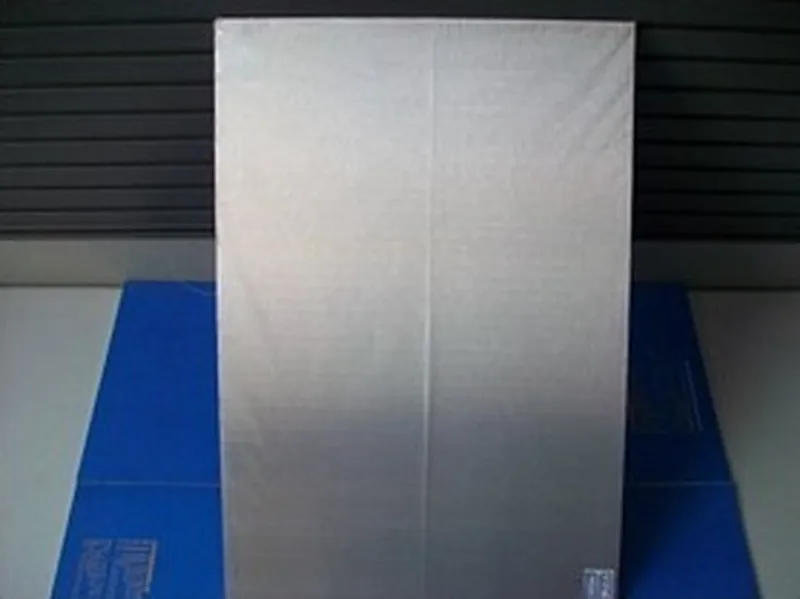
Specification Guide
Plate Size and Thickness Guide
Every SGZ plate size and thickness in one table: zinc, magnesium, brass, copper and magnesium tooling plate, with the maximum...
Read more →Request a Price on Magnesium Tooling Plate
Give SGZ the size, thickness and quantity and you will get a direct factory quotation. Drawings for OEM etching can be emailed as an attachment.