
How a Presentation Board Is Built Layer By Layer
Every board Senko makes is the same five decisions: surface, middle, back, frame and corner. Reading a specification table becomes straightforward once you know what each layer does.
Surface
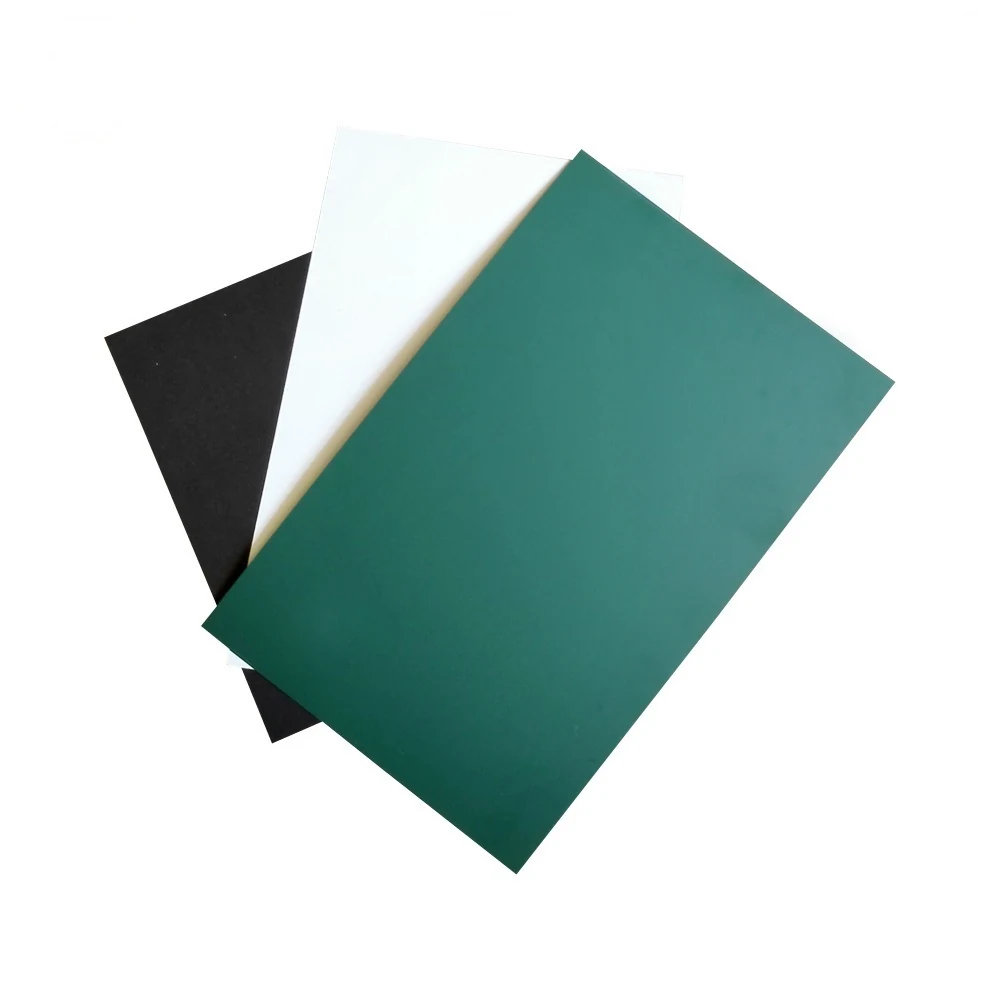
The surface is what is written on and what decides the board's service life: resin or ceramic coated writing steel, melamine MDF writing sheet, tempered glass, cork paper or fabric. On steel boards this layer also supplies the magnetism.
Middle
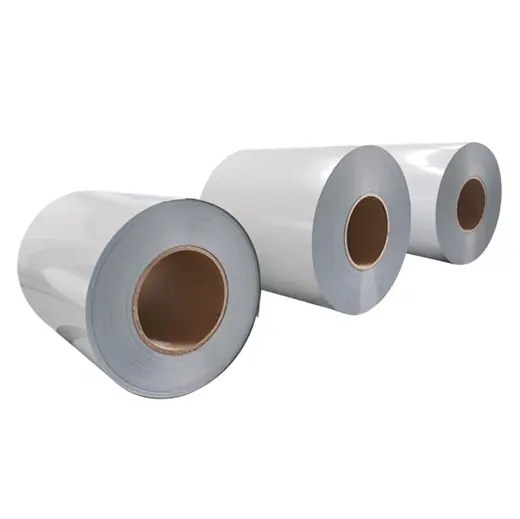
The core carries the panel and keeps it flat: corrugated cardboard for light boards, MDF board where the panel needs stiffness and weight, honeycomb sheet where a large panel has to stay flat without becoming heavy.
Back
A galvanized steel back sheet balances the panel so it does not bow, or on double sided boards the back is simply a second writing surface. Small wooden framed boards for shops are supplied without a back coating.
Frame and Corner
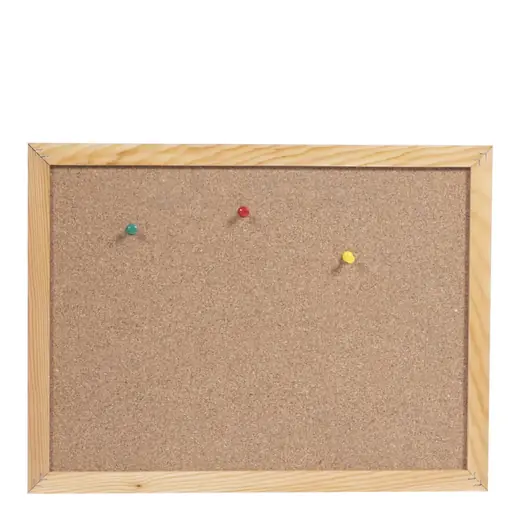
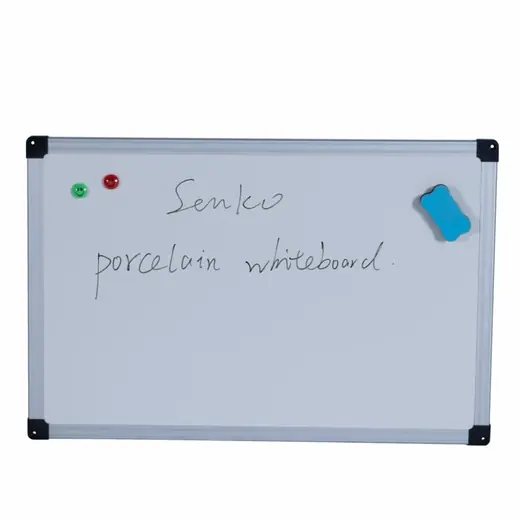
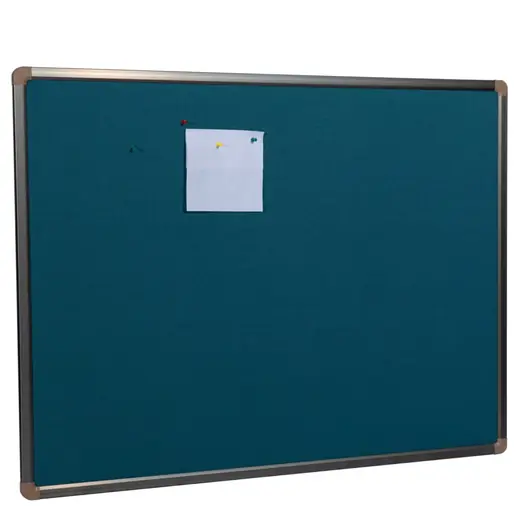
Aluminium frames protect the panel edge and carry the fixings. ABS plastic corners close the frame and, on children's boards, round off the points. Wooden frames are used where the board hangs in a shop or a home.
What The Guide Refers To
Who This Matters To
Questions On This Topic
Why does the core matter?
It decides whether a large board stays flat. Honeycomb is specified on the biggest panels for exactly this reason.
What does the galvanized back sheet do?
It balances the panel so the board does not bow away from the wall.
Do you make the frames yourselves?
Yes. We develop and produce aluminium frames and corners alongside the writing surface materials.
Apply This To Your Own Order
Send the room, the wall or the coil specification and we will tell you what we would build.