
Home/Knowledge Centre/Load Index and Inflation Pressure Explained
Load Index and Inflation Pressure Explained
How to read the single and dual load figures and the maximum pressure in kPa printed in the size tables, and how to set cold pressure to the real axle load.
Understanding load index and inflation pressure is essential for safe, efficient tyre operation and compliance with regional regulations. Misalignment between actual axle load and recommended pressure leads to premature wear, increased fuel consumption, and higher risk of failure. This guide explains how to interpret the load and pressure values printed in tyre size tables, and how to set cold inflation pressure based on real axle load. It applies to all tyre types Resunyou supplies, including TBR, PCR, OTR, agriculture, forklift, and skid steer tyres, as well as steel and aluminium truck wheels and rims.
Decoding Load Index and Dual Load Values
The load index in a tyre size table indicates the maximum load a single tyre can carry at its specified pressure. For dual tyres on the same axle, the total load capacity is the sum of both tyres' individual load indices. Always verify the dual load value in the size table, as it may differ from double the single load. Use the correct value based on your axle configuration - single or dual - when setting inflation pressure. This ensures load is distributed safely and avoids overloading one tyre.
Using Maximum Pressure in kPa for Load Matching
The maximum pressure value in kPa listed in the size table is the highest safe inflation pressure for the tyre under its rated load. Do not exceed this pressure. To match real axle load, use the pressure chart provided in the size table. If your axle load exceeds the standard load index, you may need to increase pressure to the maximum kPa value. Always check the chart to confirm the correct pressure for your actual load, not just the standard load index.
Setting Cold Inflation Pressure Based on Axle Load
Always check and adjust tyre pressure when tyres are cold - before driving or after the vehicle has been parked for at least three hours. Use the pressure value from the size table that corresponds to your actual axle load. If the load exceeds the standard load index, increase pressure to the maximum kPa listed. For dual tyres, ensure both tyres are set to the same pressure. Incorrect cold pressure leads to uneven wear, reduced casing life, and increased retread risk.
Impact of Underinflation on Casing Life and Retreadability
Underinflated tyres generate excess heat, which accelerates tread wear and weakens the casing structure. This reduces casing life and makes retreading less viable. For fleet buyers, this increases replacement frequency and total cost of ownership. Proper inflation based on actual load preserves casing integrity and supports retreadability. Always verify pressure against real axle load, not just the standard load index.
Compliance with Regional Certification Standards
Tyres supplied by Resunyou meet regional standards such as E-mark, DOT, GSO/GCC, SONCAP, INMETRO, and NOM. These certifications require tyres to perform safely at their rated load and pressure. Using a tyre at a load exceeding its index or below recommended pressure may violate certification requirements. Ensure your inflation settings align with the size table and regional regulations to maintain compliance and avoid liability.
Takeaways
- Use the dual load value from the size table when setting pressure for dual tyres on the same axle.
- Always set cold inflation pressure based on actual axle load, not just the standard load index.
- Exceeding the maximum pressure in kPa listed in the size table is unsafe and voids compliance.
- Proper inflation preserves casing life and supports retreadability, reducing long-term costs.
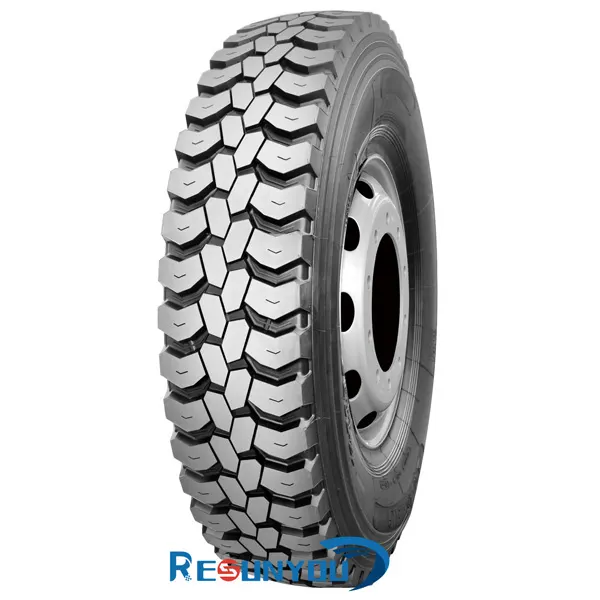
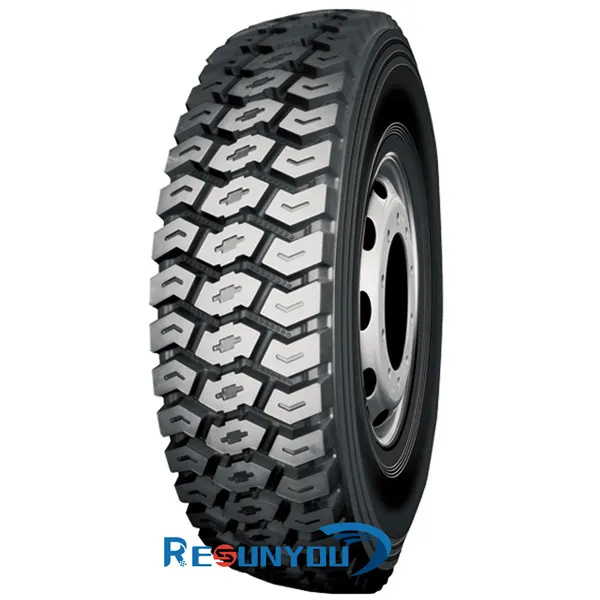
Products This Guide Refers To
Frequently Asked Questions
What is the difference between single and dual load in a tyre size table?
Single load is the maximum weight one tyre can carry at its rated pressure. Dual load is the total weight both tyres on the same axle can carry together. Use the dual load value when setting pressure for dual tyres.
Can I use a higher pressure than the standard load index suggests?
Yes, if your actual axle load exceeds the standard load index, you may increase pressure up to the maximum kPa listed in the size table. Never exceed this maximum.
Why does cold pressure matter for load and safety?
Cold pressure is the baseline for accurate load matching. Driving with warm tyres leads to overpressure readings, which can cause underinflation when cold. Always check and adjust pressure when tyres are cold to ensure safety and compliance.
How does incorrect pressure affect retreadability?
Underinflation causes heat buildup and casing damage, reducing casing life and making retreading less reliable. Correct pressure preserves casing integrity and supports successful retreading.
Need This Checked Against Your Own Fleet Data
Send your axle loads, routes and current sizes. We will comment on fitment before you order.