
Home/Knowledge Centre/Choosing Steer Drive and Trailer Patterns
Choosing Steer Drive and Trailer Patterns
Why one pattern on all three axle positions costs money, and how the RESUNYOU steer, drive and all-position patterns are meant to be combined.
Using the same tyre pattern on all three axle positions - steer, drive, and trailer - may seem like a simple way to reduce ordering complexity. But it often leads to higher total cost of ownership. Steer tyres face different forces than drive or trailer tyres, and matching pattern design to axle function improves casing life, retreadability, and fuel efficiency. RESUNYOU offers distinct patterns for each position, engineered to handle the specific load, wear, and traction demands of steer, drive, and trailer axles. This guide explains how combining the right pattern for each position reduces wear, extends casing life, and lowers long term costs for fleet operators and distributors.
Steer Tyres Need Stability and Even Wear
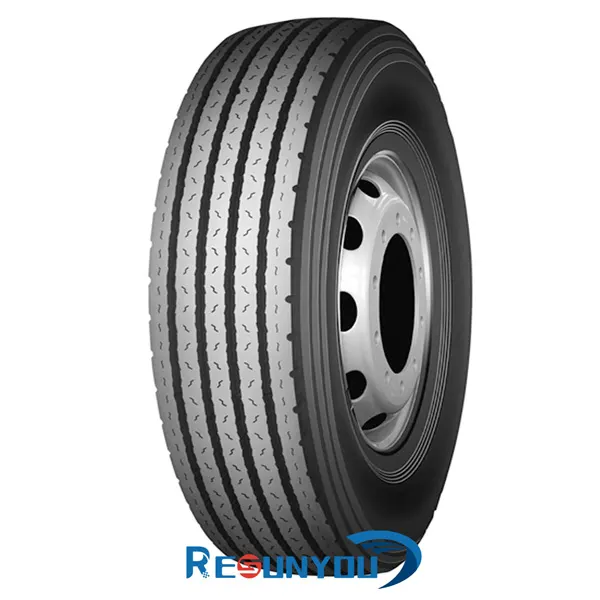
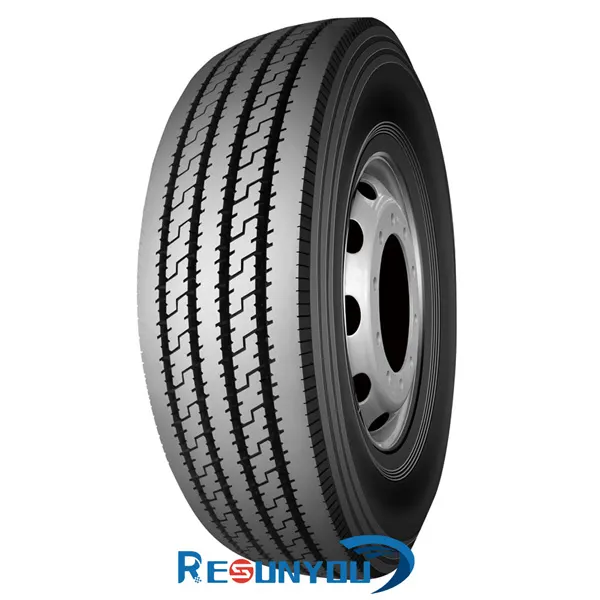
Steer tyres are responsible for steering, braking, and maintaining directional stability. They endure lateral forces, cornering loads, and frequent braking. A pattern with wide shoulder blocks and a central rib improves straight-line stability and reduces shoulder wear. Using a steer-specific pattern helps maintain even tread wear, extends casing life, and improves handling on wet or uneven surfaces. Avoiding a drive or trailer pattern on the steer axle reduces irregular wear and the need for early replacement.
Drive Tyres Require Traction and Heat Resistance
Drive tyres carry the engine's torque, generate traction, and operate under high heat. They experience the most wear and are prone to chunking and heat buildup. A pattern with deep, aggressive tread blocks and wide circumferential grooves improves heat dissipation and traction on wet or muddy roads. Using a drive-specific pattern reduces the risk of tread separation and increases retreadability. Matching the pattern to drive axle demands ensures longer casing life and better fuel efficiency over time.
Trailer Tyres Benefit from Low Rolling Resistance
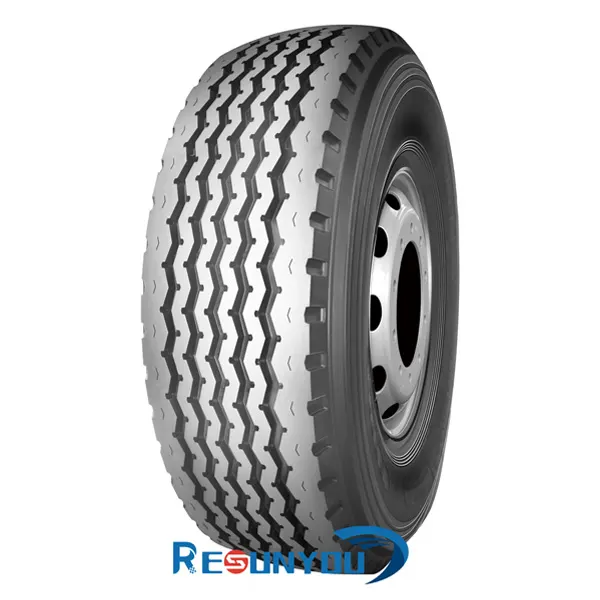
Trailer tyres carry static load and roll with minimal input. Their main wear comes from rolling resistance and uneven load distribution. A pattern with shallow, uniform tread blocks and a smooth surface reduces rolling resistance and heat buildup. Using a trailer-specific pattern improves fuel economy and extends casing life. It also reduces the risk of belt separation and tread wear caused by overloading or misalignment in the trailer axle.
Combining Patterns Reduces Total Cost of Ownership
Using the correct pattern for each axle position - steer, drive, and trailer - optimizes tyre performance across all functions. This reduces uneven wear, improves casing life, and increases retreadability. Fleet buyers who mix patterns see fewer replacements, lower fuel consumption, and better safety. It also simplifies maintenance planning, as each tyre is designed for its specific role. The initial complexity of ordering multiple patterns is outweighed by long term savings and operational reliability.
Check Load Index and Speed Rating for Each Position
Each axle position has different load and speed demands. Steer tyres often require higher load indices due to steering forces and braking loads. Drive tyres must meet the speed rating of the vehicle's maximum operating speed. Trailer tyres may need to handle higher static loads. Always verify that the tyre's load index and speed rating match the vehicle's specifications for the axle position. Using mismatched ratings increases the risk of failure, especially under heavy or sustained loads.
Takeaways
- Use steer-specific patterns for better stability and even wear on the front axle
- Drive patterns should be designed for traction, heat resistance, and retreadability
- Trailer patterns with low rolling resistance improve fuel efficiency and casing life
- Matching pattern to axle function reduces total cost of ownership over time
Products This Guide Refers To
Frequently Asked Questions
Can I use the same tyre pattern on steer, drive, and trailer axles?
While possible, it is not recommended. Each axle has different load, wear, and traction demands. Using the same pattern across all positions leads to uneven wear, reduced casing life, and higher long term costs.
How does pattern design affect casing life?
Patterns with optimized block size, groove depth, and tread distribution reduce stress on the casing. Steer, drive, and trailer patterns are designed to manage specific forces, which extends casing life and improves retreadability.
What should I check when selecting a pattern for a specific axle?
Verify the load index, speed rating, and tread pattern design match the axle's function. Steer tyres need stability, drive tyres need traction and heat resistance, and trailer tyres benefit from low rolling resistance.
Are RESUNYOU patterns certified for international markets?
Yes. RESUNYOU TBR tyres are certified with ISO9001, ISO/TS16949, CCC, E-mark, DOT, GSO/GCC, SONCAP, INMETRO, and NOM for use in more than 50 countries and regions.
Need This Checked Against Your Own Fleet Data
Send your axle loads, routes and current sizes. We will comment on fitment before you order.