
Home/Knowledge Centre/Steel Versus Aluminium Truck Wheels
Steel Versus Aluminium Truck Wheels
The honest trade-off between tubeless steel wheels and forged aluminium wheels on weight, cost, maintenance and appearance.
When sourcing truck wheels for fleet operations or export distribution, the choice between steel and aluminium rims impacts weight, cost, durability, and long term maintenance. This guide compares tubeless steel wheels and forged aluminium wheels based on real operational factors used by importers and fleet buyers. Focus is on wheel position, load index, casing life, retreadability, and service life under varied road conditions. No claims about performance or longevity are made beyond what is confirmed by supplier data. All information is limited to the materials, construction, and certifications relevant to Resunyou's product range.
Weight And Fuel Efficiency
Steel wheels are heavier than aluminium, which increases unsprung mass and reduces fuel efficiency over long hauls. For fleets operating on highways, this weight difference can affect total fuel consumption and payload capacity. Aluminium wheels reduce rotational mass, improving acceleration and braking response. However, steel wheels maintain consistent performance under heavy loads and high temperatures, making them more predictable in extreme conditions. Weight differences are significant when sourcing full container loads where every kilogram affects shipping costs and vehicle efficiency.
Cost And Total Ownership
Steel wheels have a lower upfront cost and are more affordable for bulk orders. They are also easier to repair after impact damage. Aluminium wheels cost more initially but resist corrosion and require less maintenance over time. For importers managing multiple container shipments, the higher initial cost of aluminium may be offset by reduced replacement frequency and lower long term servicing. Steel wheels are more common in regions with high road debris or rough terrain where impact resistance is critical.
Durability And Retreadability
Steel wheels are more resistant to bending and impact damage, especially in off-road or agricultural applications. They support retreading of tyres more reliably due to stable rim shape and heat dissipation. Aluminium wheels can warp under extreme heat or impact, which may compromise seal integrity and lead to air loss. For fleets using retreaded tyres, steel rims are preferred in high-load positions such as drive axles. Aluminium is better suited for non-load-bearing positions like trailers or front axles where weight savings are prioritized.
Maintenance And Appearance
Steel wheels require regular cleaning and anti-corrosion treatment, especially in coastal or high-humidity markets. They are prone to rust at the bead seat and rim flange if not maintained. Aluminium wheels resist rust and maintain a clean appearance longer, which is important for fleet branding and customer perception. However, aluminium is more susceptible to scratches and cosmetic damage. For distributors supplying to markets with strict visual standards, aluminium's appearance may justify higher cost despite lower durability under harsh conditions.
Certifications And Compliance
Both steel and aluminium truck wheels from Resunyou comply with ISO9001, ISO/TS16949, CCC, E-mark, DOT, GSO/GCC, SONCAP, INMETRO, and NOM. These certifications confirm manufacturing consistency and safety standards for international shipment. Wheels are tested for load index, rim strength, and compatibility with tubeless tyres. Buyers should verify certification marks on each rim before container shipment, especially when supplying to regulated markets such as the EU, GCC, or Brazil. Certification applies to both wheel types and is verified through third-party inspection.
Takeaways
- Steel wheels offer lower cost and better impact resistance, ideal for heavy-duty and off-road applications.
- Aluminium wheels reduce weight and improve fuel efficiency but are more expensive and less durable under impact.
- Steel rims support retreading and maintain shape under high load, making them suitable for drive axles.
- Aluminium wheels require less maintenance and look better over time, beneficial for fleet branding and non-load positions.
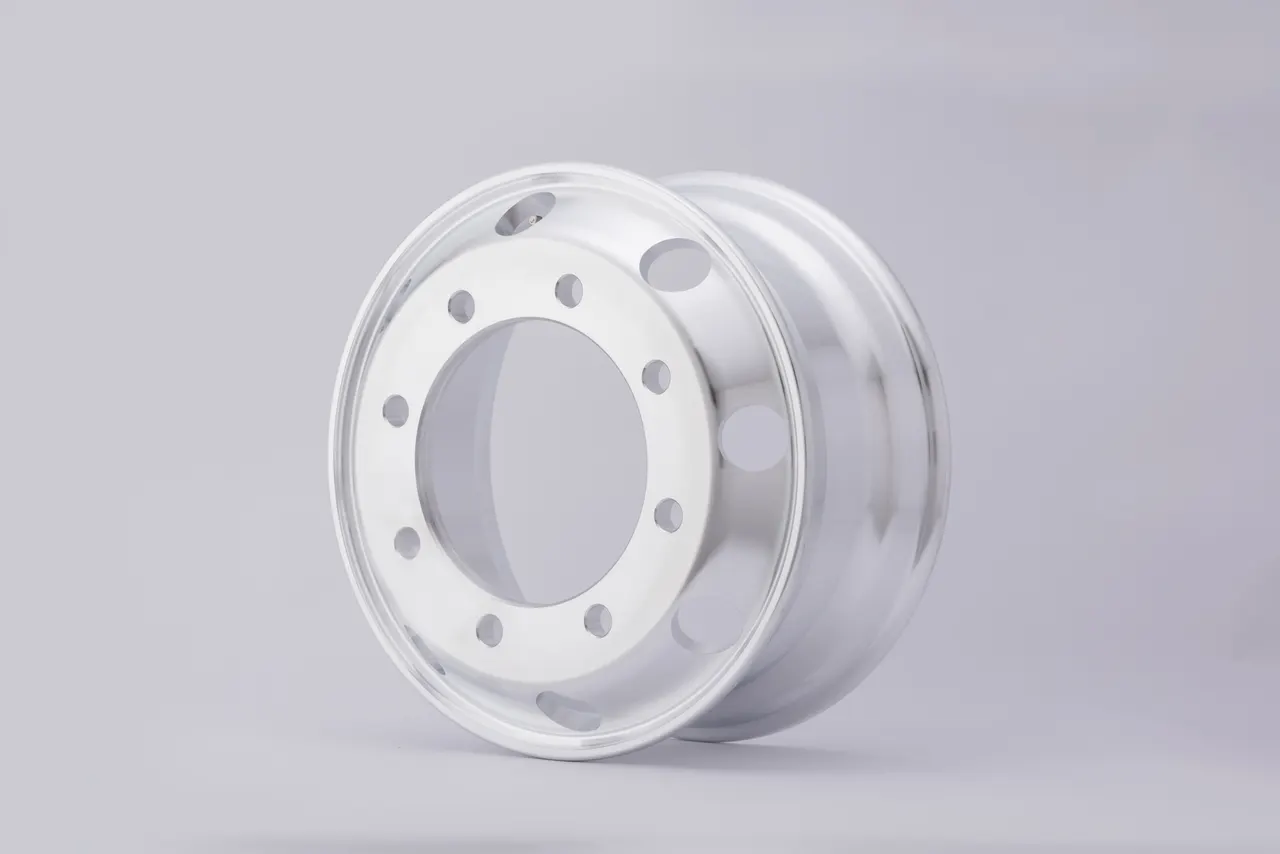
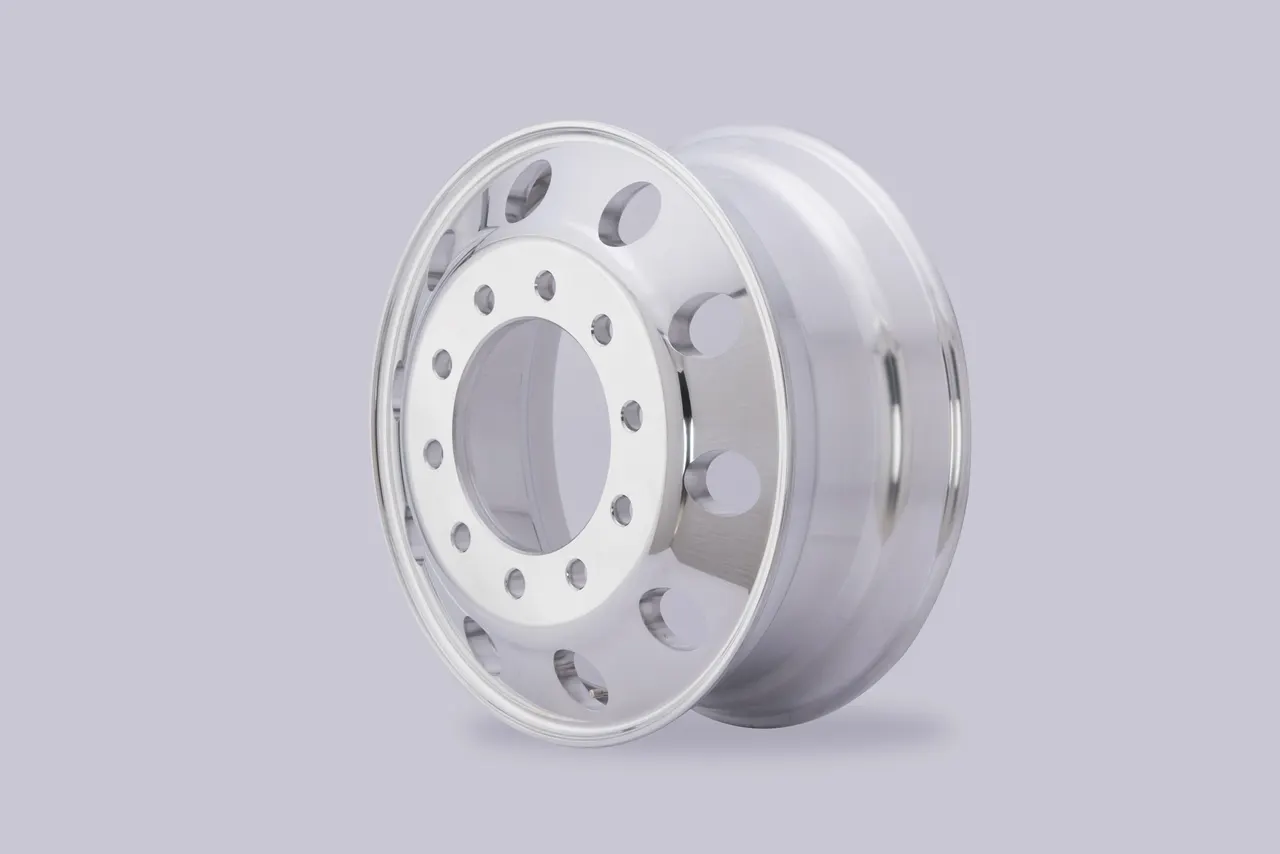
Products This Guide Refers To
Frequently Asked Questions
Can steel and aluminium wheels be mixed on the same vehicle?
Yes, but only if load index, rim diameter, and tyre size are identical. Mixing wheel types may affect handling and wear patterns. It is recommended to use the same wheel type on both sides of an axle for consistent performance.
Are aluminium wheels compatible with retreaded tyres?
Aluminium wheels can be used with retreaded tyres, but they are less tolerant of heat and impact during retreading. Steel wheels are preferred for retread operations due to better thermal stability and rim integrity.
Do steel wheels require special maintenance in humid climates?
Yes. Steel wheels need regular cleaning and anti-corrosion treatment, especially at the bead seat and rim flange. In high-humidity or coastal markets, applying protective coatings is recommended to prevent rust and ensure air seal integrity.
Which wheel type is better for container shipping?
Steel wheels are lighter to ship per unit due to lower cost and higher tolerance to stacking. Aluminium wheels are more expensive to ship per unit due to higher value and weight, but their appearance may justify the cost for branded fleets.
Need This Checked Against Your Own Fleet Data
Send your axle loads, routes and current sizes. We will comment on fitment before you order.