
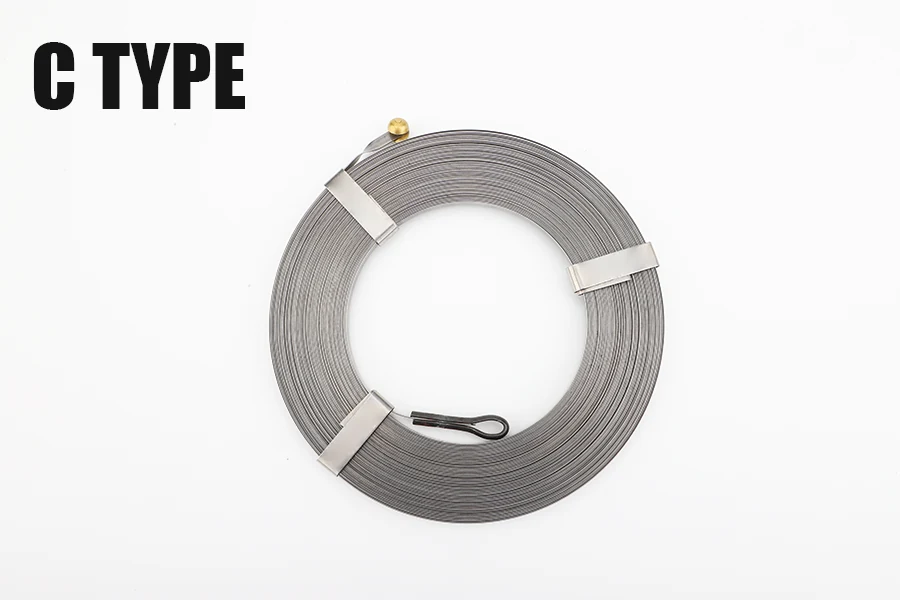
Steel/Metal Cable Puller
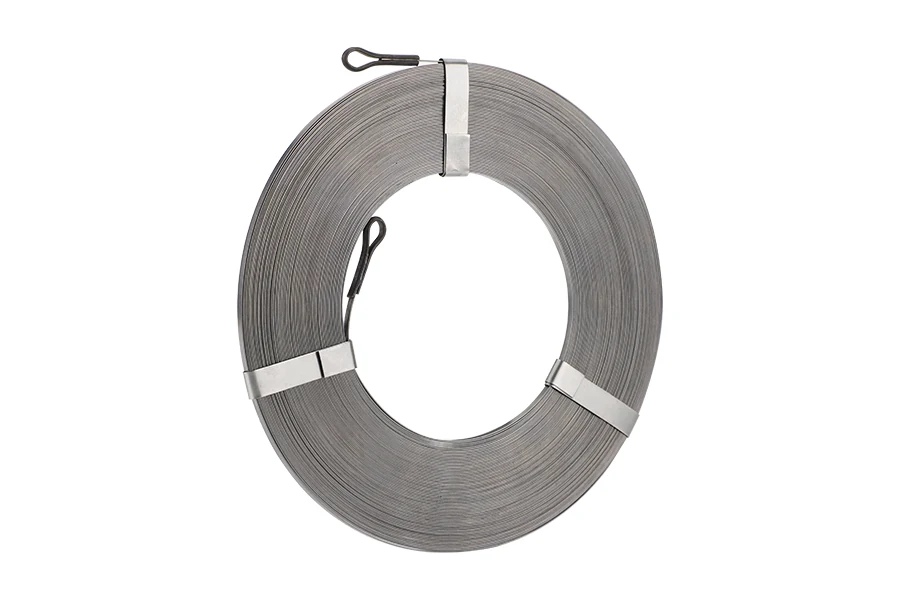
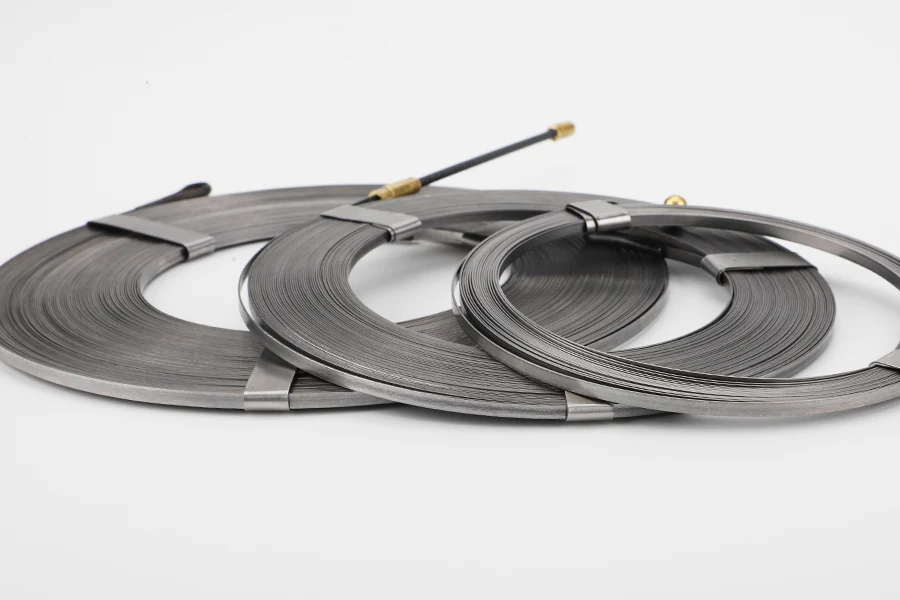
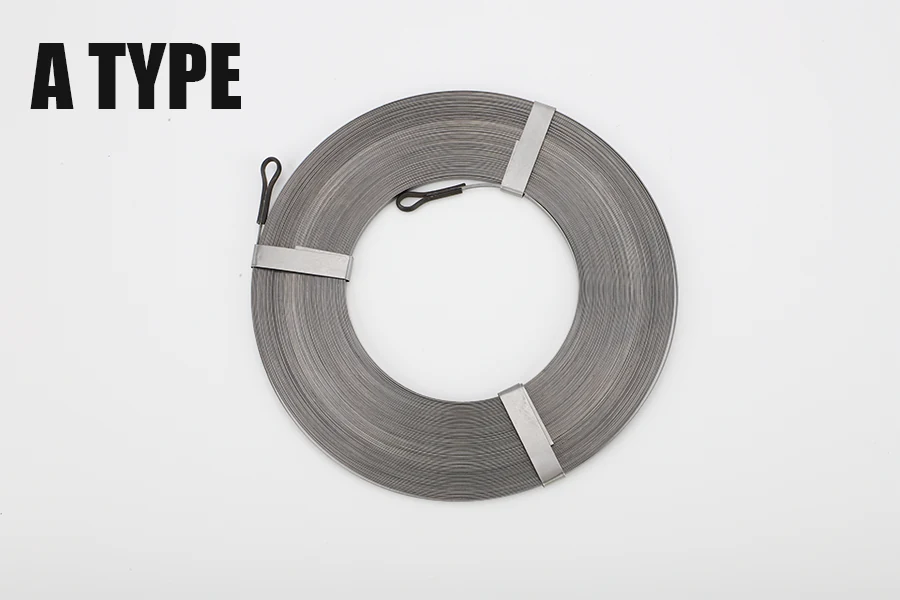
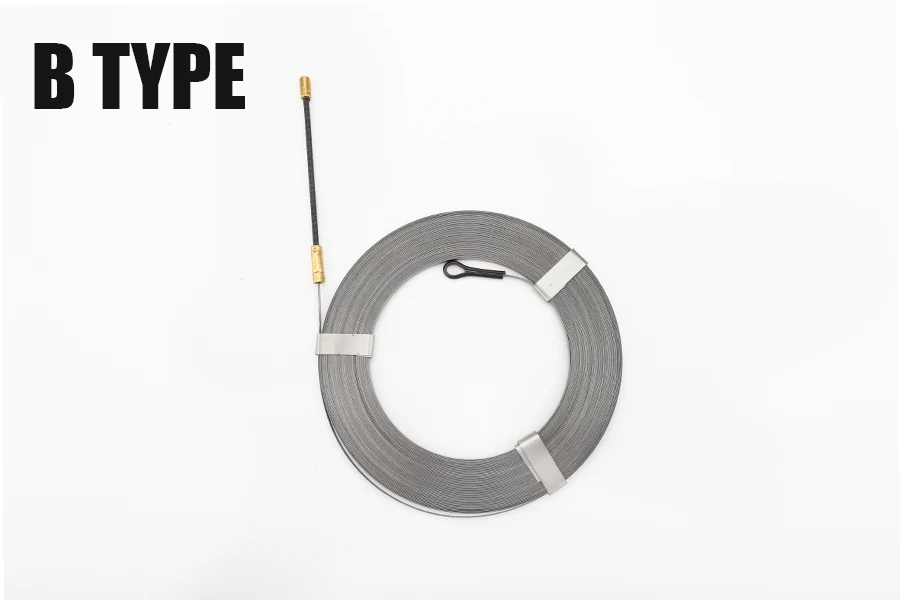
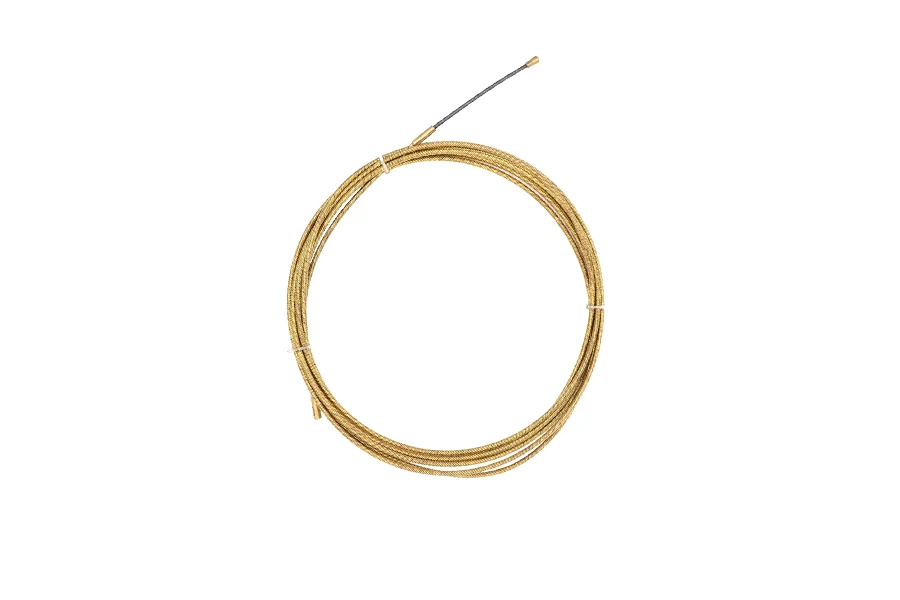
A steel cable puller used by electricians to route new wiring through walls and electrical conduit. The tool has a rigid steel tape with a diameter of 3.2 mm or 5.0 mm and a thickness of 0.5 mm, available in lengths from 5 m to 50 m. It comes in three types: A (Eyelet + Eyelet), B (Eyelet + Spiral Spring Wire), and C (Eyelet + Ball). Also known as a metal fish tape, it is designed for pushing through tight bends and long runs in conduit and wall cavities.
- Rigid steel tape resists bending and maintains shape during long runs through conduit and wall cavities
- Three head types allow for different grip options depending on the cable or puller being used
- Steel construction provides high tensile strength for heavy cable pulls
- Standard eyelet at one end allows for attachment of a pull line or hook
- Can be used in both dry and damp environments where a non-conductive tool is not required
Where It Is Used
- Routing new power or data cables through metal or PVC conduit in commercial buildings
- Pulling cables through long, tight wall cavities during renovation or new construction
- Working in conduit runs where the path includes multiple bends and turns
- Field work by electricians who need a durable tool for repeated use
- Installation projects requiring a strong, rigid puller for multi-core or thick cables
Who It Is For
- Electrical wholesalers and importers stocking electrician hand tools
- Electrical contractors doing power, data, and telecom installations
- Panel builders and electricians working on industrial or commercial projects
- OEM and private-label buyers who want their own brand printed on the tool
- Distributors who need a mix of lengths and types in one container
Problems It Solves
- A flexible tape cannot maintain straightness in long conduit runs; steel tape stays rigid
- Electricians need a strong puller for thick or multi-core cables; steel provides higher tensile strength
- Bends in the conduit require a tool that can push through without collapsing; steel resists buckling
- Different cable types require different attachment points; multiple head types allow for flexibility
- Wholesalers need a single product line that covers multiple job types; this tool offers length and head variety
Technical Features
- Steel tape with a cross-section of 3.2×0.5 mm or 5.0×0.5 mm
- Rigid construction suitable for pushing through conduit and wall cavities
- Three head types: A (Eyelet + Eyelet), B (Eyelet + Spiral Spring Wire), C (Eyelet + Ball)
- Tape length options: 5 m, 10 m, 15 m, 20 m, 25 m, 30 m, 50 m
- One end has a standard eyelet for attachment
- Designed for pushing through bends and long runs, not for pulling through tight spaces
Specifications
| Material | Steel |
|---|---|
| Color | Neutral |
| Tape dimensions | 3.2×0.5 mm or 5.0×0.5 mm |
| Lengths | 5 m, 10 m, 15 m, 20 m, 25 m, 30 m, 50 m |
| Types | A (Eyelet + Eyelet), B (Eyelet + Spiral Spring Wire), C (Eyelet + Ball) |
| Usage | Routing new wiring through walls and electrical conduit |
Materials
- Steel tape body, chosen for rigidity and tensile strength
- Eyelet, spiral spring wire, and ball heads made from steel or compatible metal
Customisation Options
- Printed brand for own-label and private-label programmes
- Custom packaging and carton marking for bulk orders
- Option to mix lengths and types in a single container for distributors
Compared With The Alternatives
| Compared With | How This Product Differs |
|---|---|
| Nylon cable puller | Steel is stiffer and better for long straight runs; nylon is non-conductive and safer in occupied ducts |
| Fiberglass rod | Steel tape is more flexible in bends; fiberglass rods are better for pushing through long, straight runs |
| Spiral spring puller | Steel tape is rigid and maintains shape; spiral spring is flexible but less effective for long pulls |
Use Guide
- Insert the steel tape into the conduit or wall cavity using the eyelet end first
- Push the tape through the path, using the rigid body to maintain direction
- Choose the correct head type based on the cable or puller being used
- Attach the pull line or hook to the eyelet end before starting the pull
- Re-coil the tape after use to prevent kinks and maintain performance
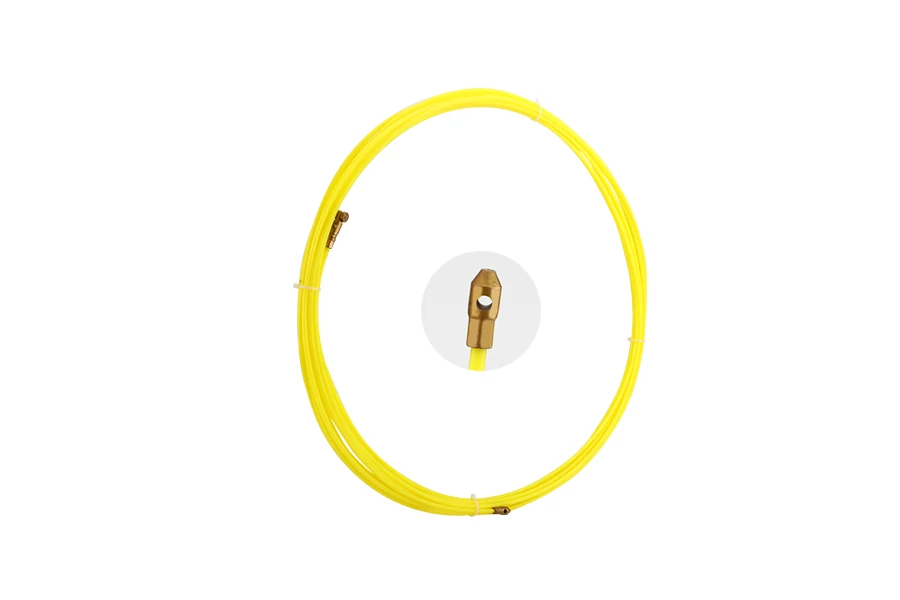
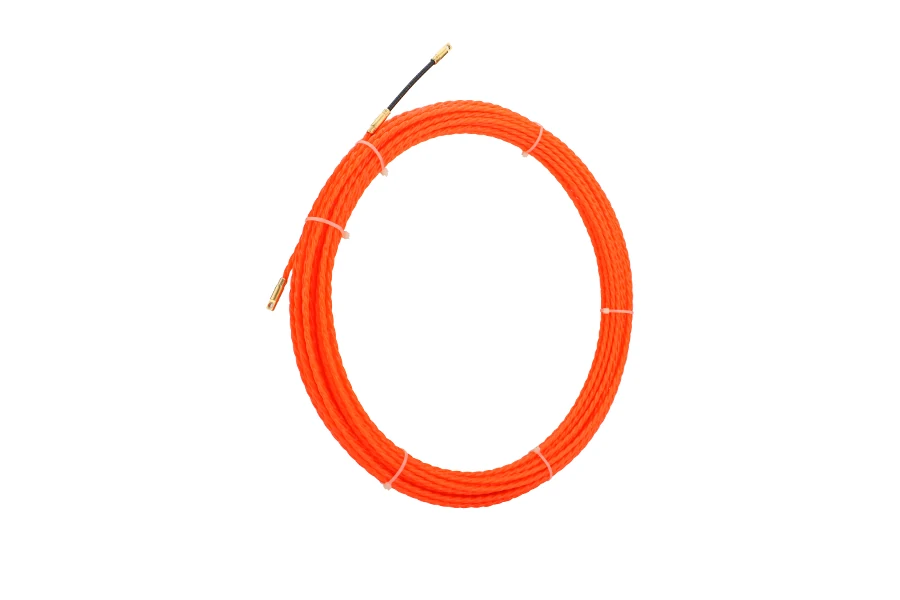
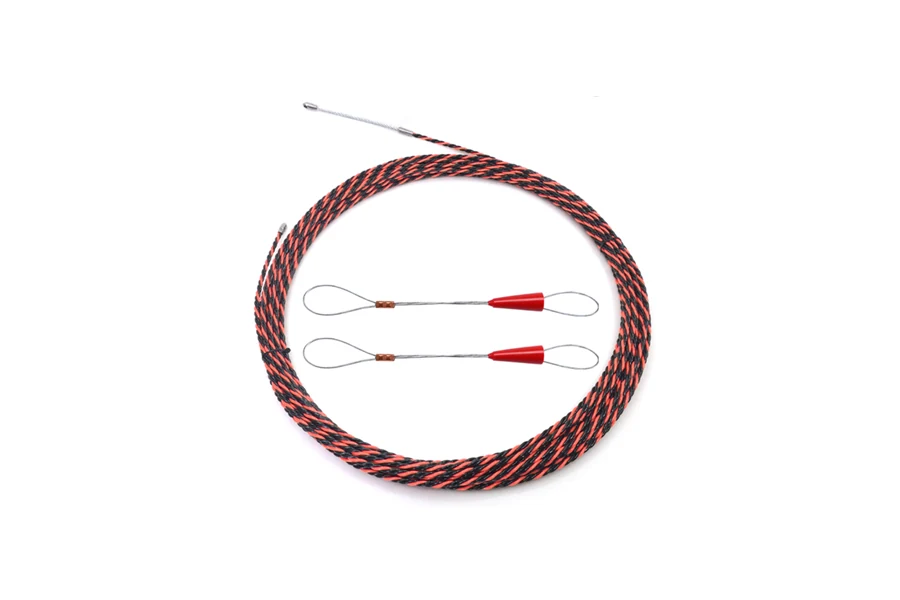
Related Industries And Guides
Electrical Contracting And Installation
Contractors judge a tool by whether it costs them a second trip. The wiring accessories and hand tools in this range are the ones that decide whether a first fix goes in cleanly.
Steel Fiberglass Or Nylon Which Fish Tape To Stock
The three fish tape materials are not competing versions of the same tool. Each one exists because the other two fail in a specific situation. This is how to decide which belongs in your range.
Steel/Metal Cable Puller FAQ
Can this be branded with our own company logo?
Yes. The brand can be printed on the tool for own-label and private-label orders. Send us your artwork and we will confirm the layout and feasibility.
What lengths and types are available?
Available in 5 m, 10 m, 15 m, 20 m, 25 m, 30 m, and 50 m. Three types: A (Eyelet + Eyelet), B (Eyelet + Spiral Spring Wire), C (Eyelet + Ball).
Can we mix different lengths and types in one container?
Yes. The product can be mixed by length and type in a single container, which is useful for distributors stocking a full range.
Do you provide a datasheet or exact dimensions before ordering?
Dimensions and specifications are confirmed on enquiry. We can provide detailed drawings or a datasheet upon request before order placement.
How is the tool packaged and marked on the carton?
Standard packaging includes individual tool in a box. Cartons are marked with model, length, type, and quantity. Custom carton marking is available for bulk orders.
Can we get a sample before placing a bulk order?
Yes. Samples are available upon request. Please contact us with your requirements and we will arrange shipment.
Get A Quote For Steel/Metal Cable Puller
Tell us the quantity, the destination port and whether you need your own brand on it. We will come back with what is workable.