
Steel Fiberglass Or Nylon Which Fish Tape To Stock
The three fish tape materials are not competing versions of the same tool. Each one exists because the other two fail in a specific situation. This is how to decide which belongs in your range.
The Three Materials Solve Three Different Problems
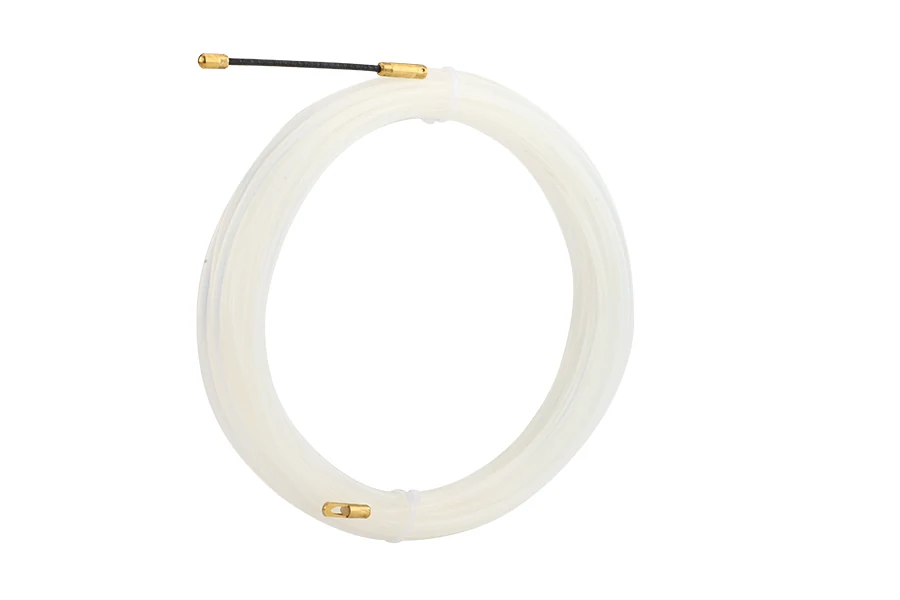
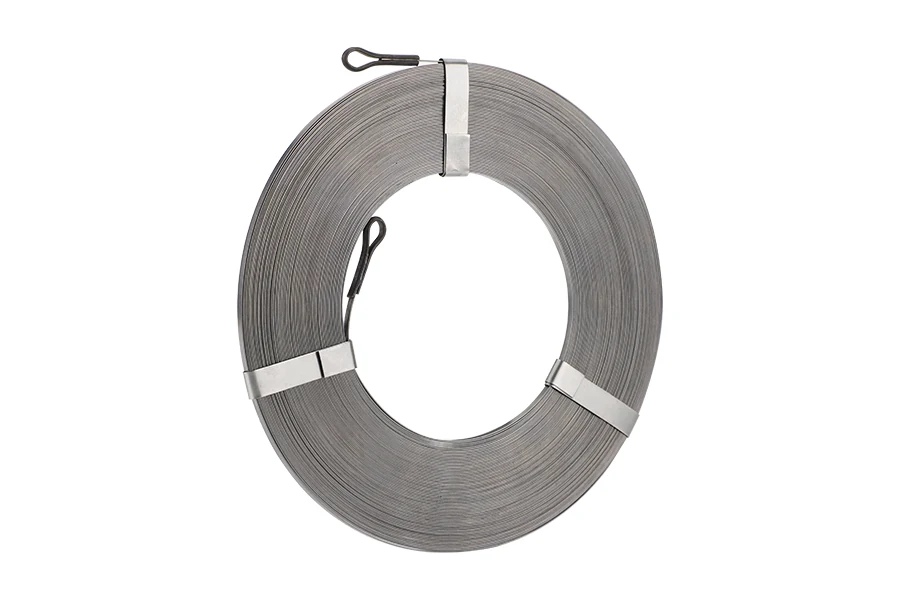
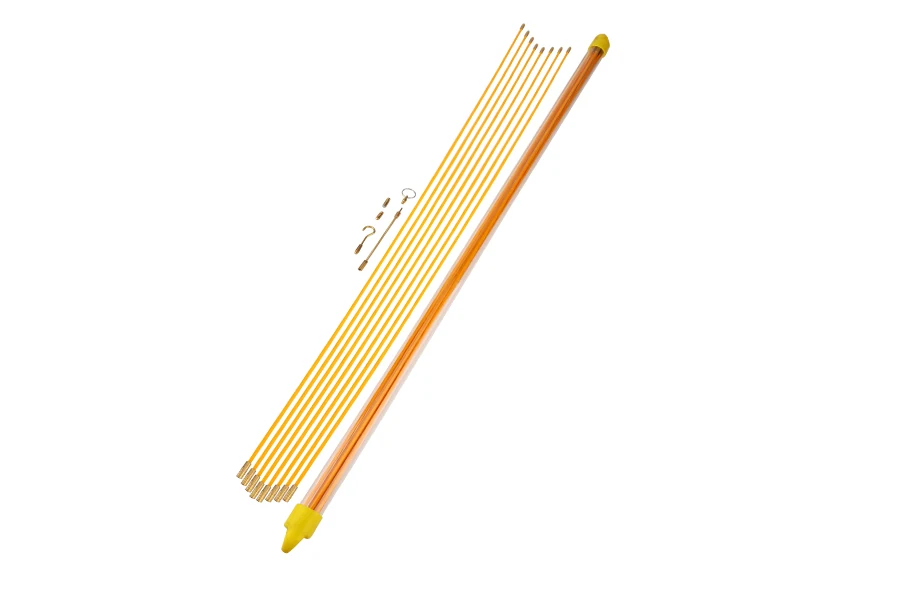
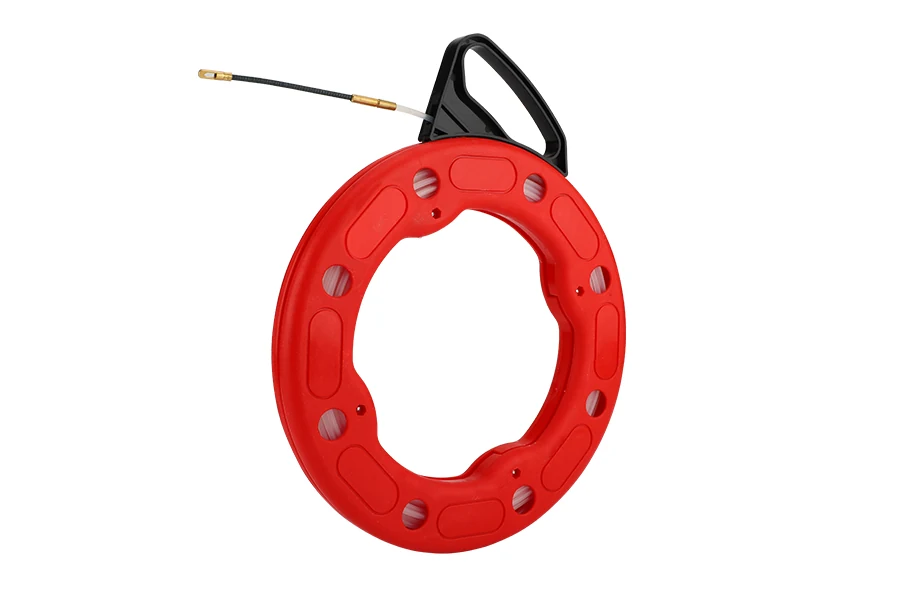
A steel tape is stiff. That stiffness is what lets an electrician push it down a long empty conduit without it buckling, and it is also why steel is the traditional default. A fiberglass rod set is stiffer again but comes in short lengths that thread together, so it pushes through straight pipe and stores in a case. Nylon is the flexible, non-conductive option: it will not push far on its own, but it goes where steel must not. Stocking one material and treating the others as upsells gets the range wrong, because a contractor who needs nylon cannot substitute steel.
Conductivity Is The Decision That Cannot Be Compromised
The single question that settles material choice is whether the duct may still be live. A steel tape is a conductor being pushed blindly into a space whose contents the installer cannot see. The nylon cable puller in this range is specified as non-conductive for telecom, electrical, wall and floor conduit, which is precisely why it is used in occupied duct and panel boxes. Any customer doing maintenance or retrofit work in occupied buildings needs it on the van, regardless of what else they carry.
Length And Diameter Decide How Much Of The Trade You Cover
Length ranges differ by model, and a range that stops short loses work at both ends. The steel cable puller is listed at 5, 10, 15, 20, 25, 30 and 50 m in 3.2 x 0.5 mm and 5.0 x 0.5 mm sections. The nylon cable puller runs 5 m to 30 m in 3 mm and 4 mm diameters, twelve model codes from NL3005 to NL4030. The nylon fish tape is listed at 10, 15, 20, 25 and 30 m in 3 mm and 4 mm. A wholesaler covering domestic first fix and longer service runs needs both the short and the long end of at least one material.
Pull Strength Matters More Than Buyers Expect
A tape used as a pilot line only has to drag a draw cord. A tape used to pull the cable itself takes the full load of the run plus every bend it drags around. The nylon cable puller is rated to support up to 200 lb, which is a working figure rather than a token one, and it is the number to quote when a customer asks whether the tape will survive a real pull. If a customer is snapping tapes, they are either exceeding the rating or fighting an obstruction that should be cleared instead.
Corrosion Is What Kills Tapes In The Field
Tapes rarely fail dramatically. They corrode in damp risers and outdoor conduit, then bind inside the pipe and get abandoned mid-job. Nylon resists corrosion, and the fiberglass rod is extruded from glass fibre and high-strength resin then covered in high-density polyethylene, which makes the surface slide and adds wear, ageing and acid and alkali resistance. In humid markets this is the difference between a tool that lasts a season and one that lasts years, and it is worth saying on the shelf label.
Fiberglass Electrical Connectable Fish Tape
What A Complete Shelf Looks Like
For a general electrical wholesaler, a defensible range is a steel puller for empty conduit, a nylon puller for occupied and damp duct, and a connectable fiberglass rod set for straight pipe, each in two or three lengths. That is roughly eight to ten SKUs and it answers nearly every request that comes over the counter. Colour, brand and length are customisable on these lines, so the whole shelf can carry one own-brand identity rather than three suppliers' liveries.
Related Pages
Electrical Contracting And Installation
Contractors judge a tool by whether it costs them a second trip. The wiring accessories and hand tools in this range are the ones that decide whether a first fix goes in cleanly.
Telecom And Data Cabling
Data and telecom installers pull cable through the same walls and ducts as the electrical trade, but they cannot afford to nick a jacket or work with a conductive tape near live services.
Specification And Selection Support
Half the questions we get before an order are not commercial, they are technical: which tape, which way count, which busbar pitch. Getting that right before the order is cheaper than getting it right after.
Questions On This Topic
If I can only stock one material, which should it be?
Steel remains the broadest single choice for general electrical work, but if your customers do maintenance in occupied buildings, nylon is the one they cannot work without. Ask what proportion of their work is on live sites before deciding.
Is fiberglass a fish tape or a rod set?
The connectable version is a rod set. It ships as ten one-metre rods with threaded brass connectors and a case, and is used to push through straight pipe rather than to coil around bends.
Can these be supplied under our own brand?
Yes. Colour, brand and length are listed as customisable across the fish tapes and cable pullers.
Want This Applied To Your Own Range
Tell us what you sell and where, and we will say which of these choices actually matters for you.