
Busbars And Connecting Terminals Explained For Panel Builders
Pin type or fork type, what the thickness and width figures mean, and why the terminal is where panels fail.
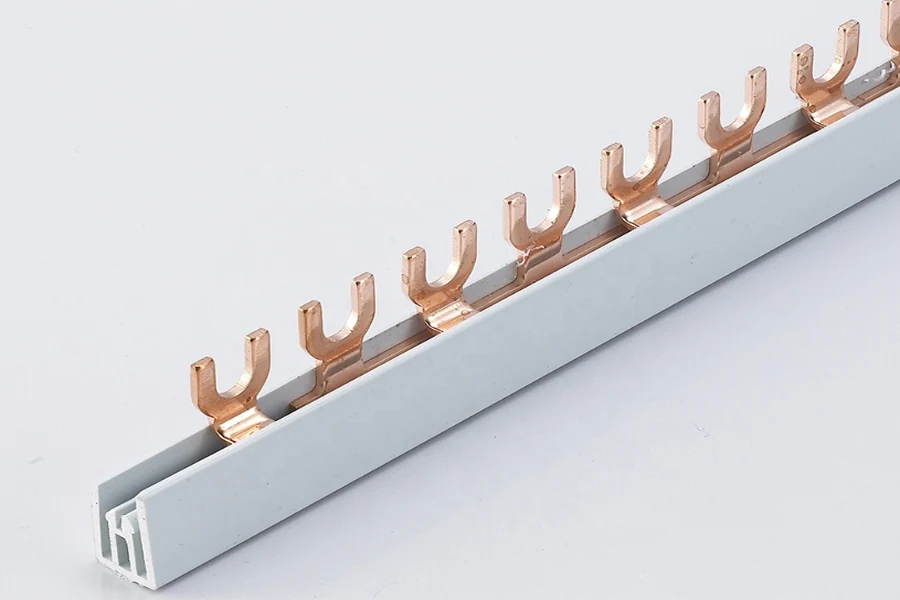
Pin Type And Fork Type Are About The Breaker Not The Bar
A busbar comb distributes supply across a row of breakers, and whether it ends in a pin or a fork depends on what the breaker terminal accepts. Choosing the wrong one is not a performance question, it is a fit question, and it stops a panel build dead. Confirm the breaker range you build with before ordering a comb, because the bar is cheap and the delay is not.
Reading The Current Thickness And Width Figures
The busbar in this range is listed at reference currents of 32, 50, 63, 80, 100 and 125 A, in thicknesses of 1.0, 1.2, 1.4, 1.5, 1.7 and 1.8 mm and widths of 5, 7 and 9 mm. Current is what the bar is intended to carry; thickness and width are the cross section that delivers it. A wider, thicker bar in the same current class carries the load with less heating, which is why a builder working in a hot ambient may specify above the minimum that the rating suggests.
Neutral And Earth Bars Are Not An Afterthought
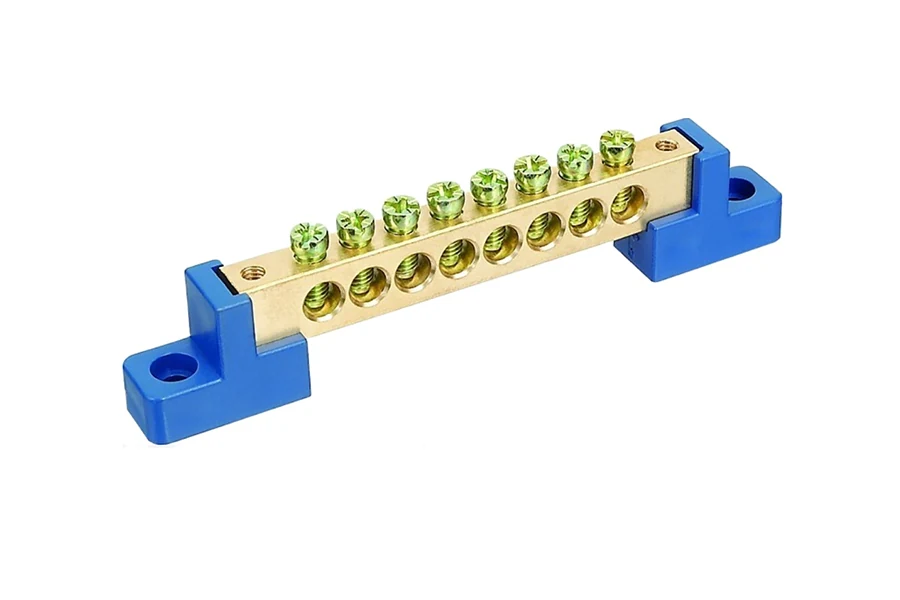
Brass neutral links and connecting terminals do the unglamorous work of collecting neutrals and earths, and they are handled last during a build when the installer is tired and the enclosure is full. Terminals that will not accept the conductor size, or that cannot be reached with a driver once the panel is dressed, get tightened badly. Ordering links and terminals sized for the conductors actually used prevents most of it.
Crimped Lugs Beat Improvised Connections
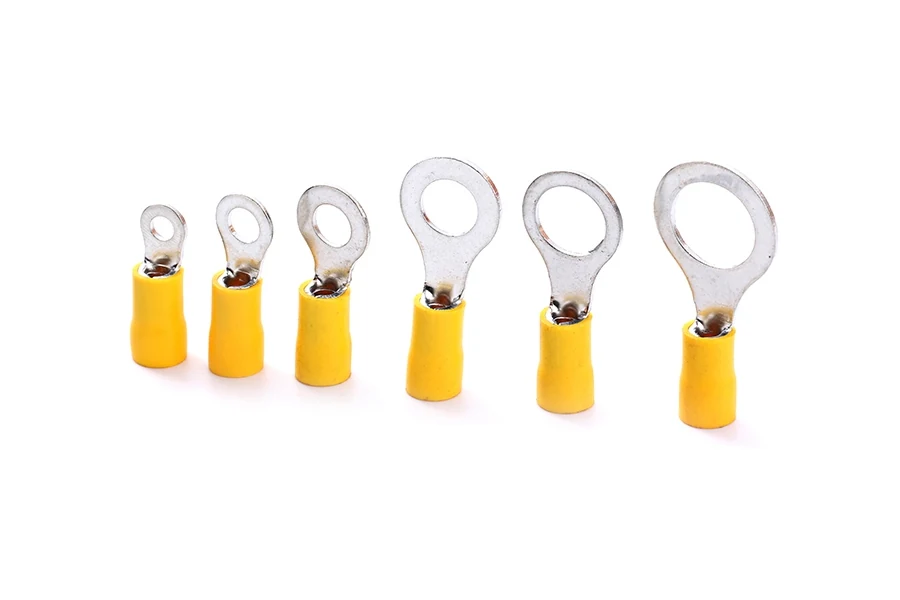
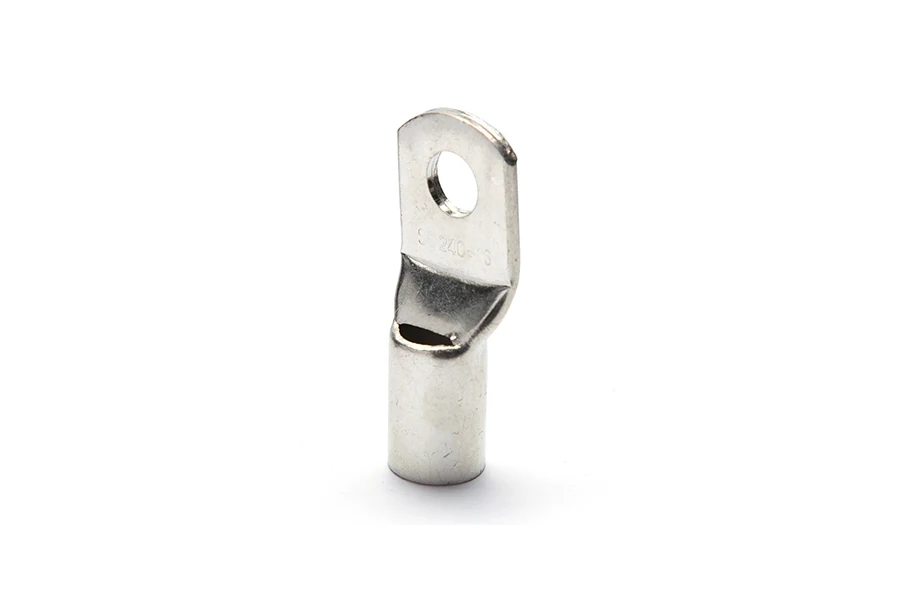
Where a conductor meets a bar or a stud, a crimped lug gives a repeatable connection that a twisted conductor under a screw never will. Crimping connecting lug terminals are listed in the same range as the busbars and terminals, and standardising on them across a panel line makes inspection quicker because every termination looks the same.
Crimping Connecting Lug Terminals
Buy The Internals With The Enclosure
The most common sourcing mistake in panel building is buying the enclosure from one supplier and the internals from another, then discovering the busbar pitch does not match the breakers the enclosure was built around. Distribution boards, busbars, terminals and contactors all sit in this range, and ordering them together removes that class of problem.
Products Discussed Here
Related Pages
Panel Building And Industrial Control
Panel builders buy the parts that go inside the enclosure as much as the enclosure itself. Busbars, terminals and contactors decide whether a panel passes inspection and stays tight in service.
Specification And Selection Support
Half the questions we get before an order are not commercial, they are technical: which tape, which way count, which busbar pitch. Getting that right before the order is cheaper than getting it right after.
Questions On This Topic
What busbar sizes are available?
Reference currents of 32, 50, 63, 80, 100 and 125 A, thicknesses of 1.0, 1.2, 1.4, 1.5, 1.7 and 1.8 mm, and widths of 5, 7 and 9 mm.
Pin type or fork type, which do we need?
It depends on the breaker terminal you are feeding. Tell us the breaker range you build with and we will confirm which comb fits.
Do you supply neutral links and lugs as well?
Yes. Brass neutral links, connecting terminals and crimping lug terminals are all in the same category as the busbars.
Want This Applied To Your Own Range
Tell us what you sell and where, and we will say which of these choices actually matters for you.