What Maintenance Planning Actually Means
Maintenance planning is the process of deciding how and where a technician accesses modules, power supplies or receiving cards during repair or replacement. The choice between front and rear service affects installation design, space requirements and long-term operational cost.
Front Maintenance for Fixed Installations
When the screen is mounted against a wall, glass facade or in a tight space with no rear access, front service is required. MASTARLED's Indoor Fixed With High Definition, Indoor Fixed With 16:9 Ratio, Outdoor Fixed With Front Service and i-Poster LED Screen all support front access. These cabinets allow module removal from the viewing side without tools.
See the Block Indoor Series specification for the figures quoted above.
Rear Service for Accessible Installations
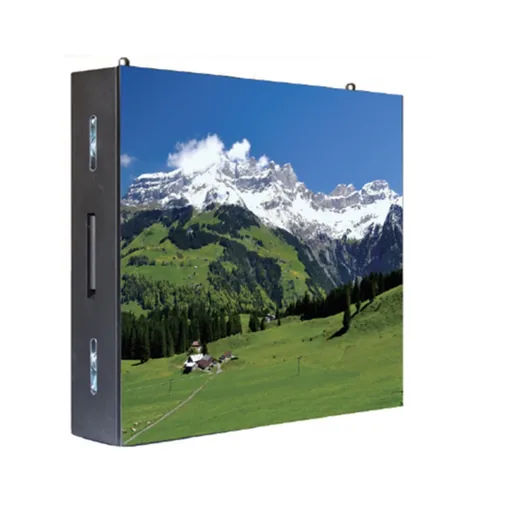
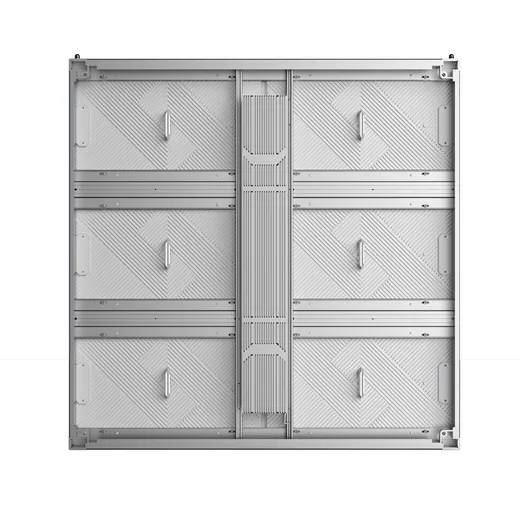
Where there is walkable space behind the screen, rear service cabinets are more cost-effective per square metre. The Block Indoor Series, Block Series outdoor cabinets and Transparent Glass LED Screen are designed for rear access. They allow technicians to work from behind the wall, typically from inside a building or on a service platform.
Rental Cabinets Are Built for Flexibility
Rental fleets must adapt to venues with or without rear access. MASTARLED rental cabinets support both front and rear service with tool-free installation. This allows a single fleet to be used in studios, arenas, and event spaces without changing the cabinet configuration.
How Factory Quality Stages Reduce Field Failures
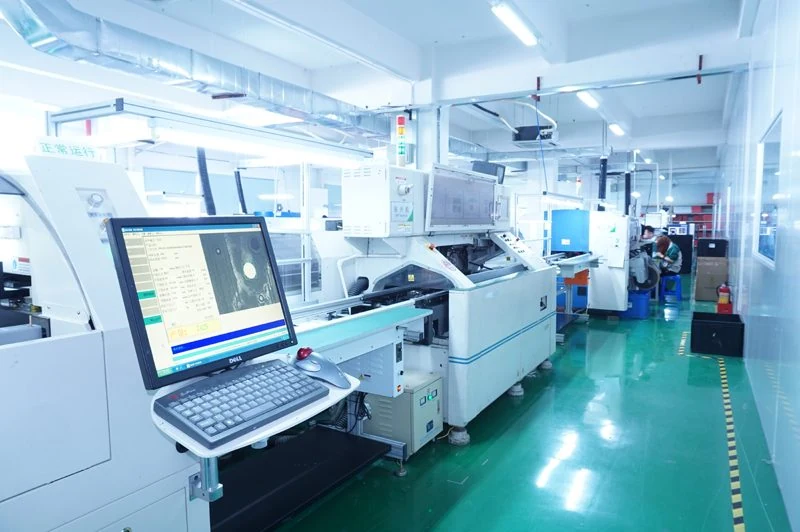
Before shipment, MASTARLED screens undergo module ageing test, auto drying system treatment, soldering inspection, full screen installation test and screen ageing test. These steps reduce the likelihood of early failure and help predict spare parts needs over the first 12 months of operation.
How to Plan Spare Parts Before Installation
Use the cabinet type, pixel pitch and installation location to estimate failure rates. For fixed installations, keep 5% of modules as spares. For rental screens, keep 10% due to higher handling and transport stress. Always keep spare receiving cards, power supplies and connectors on hand.