
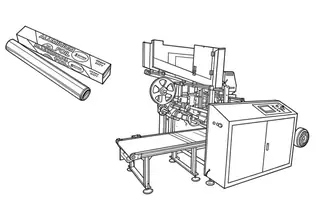
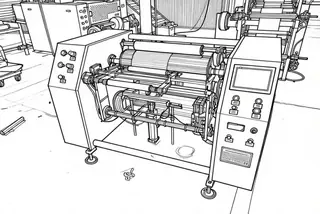
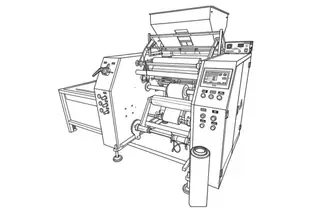
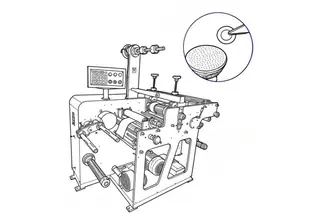
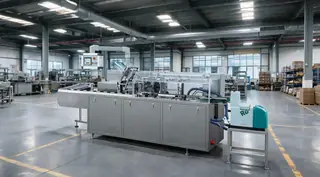
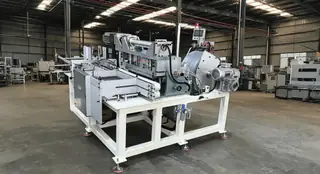
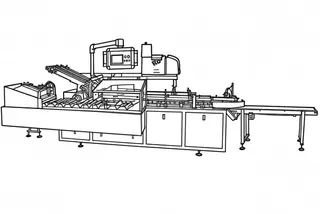
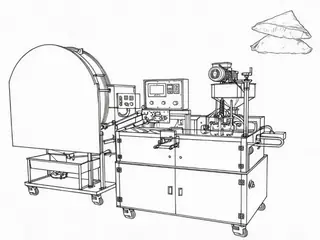



Aluminum Foil Small Roll Cartoning Machine
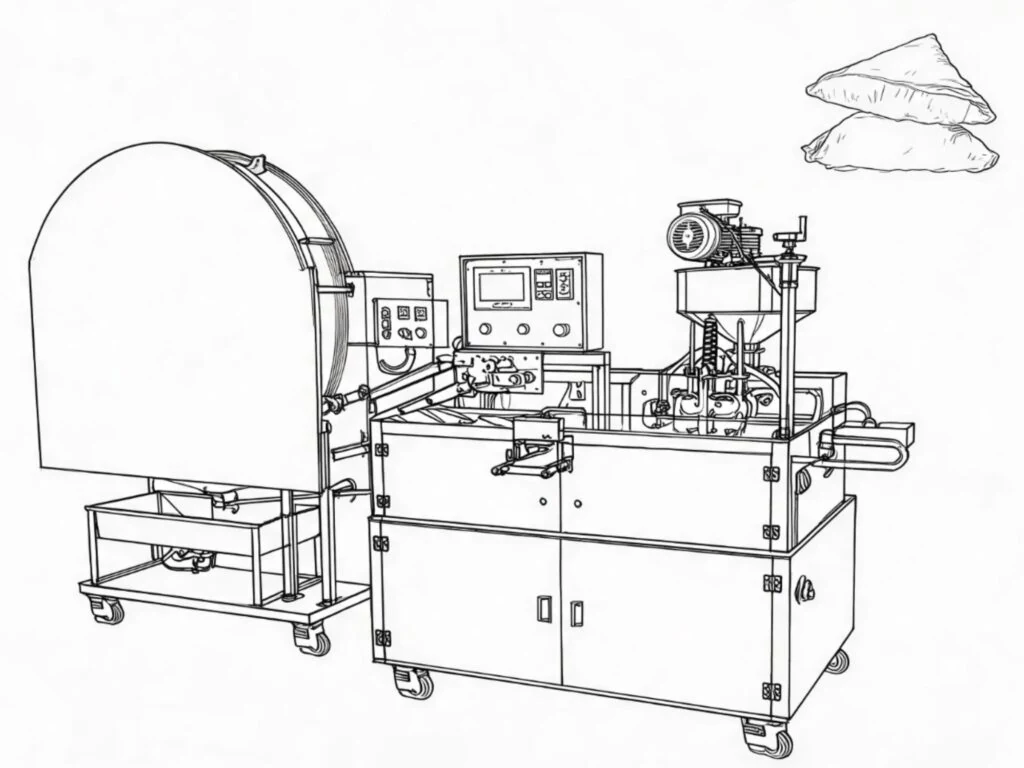
Automatically feeds foil rolls, opens boxes, loads product, sprays glue, seals boxes and removes waste.
Packaging & End-of-Line Equipment
What it is
After household aluminum foil is rewound into small rolls, there is still one step before the product reaches the retail shelf: packaging. For small volumes workers can place rolls into boxes by hand, but as production increases manual packing becomes slow, inconsistent and labour-intensive.
Key points
- Working sequence: automatic feeding, box opening, product loading, glue spraying, box sealing, waste removal
- Feeding configuration must match roll diameter, width, weight and output
- Box forming matters, because small deformation affects loading and sealing
- Turns rewound rolls into retail-ready boxed products
Typical applications
- Supermarket private-label foil
- Wholesale and export retail packs
- Branded household foil lines
Before you ask for a price, settle this
- Box sizes and board specification
- Roll diameter, width and weight
- Output per minute you need to match the rewinder
- Whether a saw blade is fixed to the box, and at which step
Buyer's guide
Complete Guide to Automatic Aluminum Foil Small Roll Cartoning Machine
packaging
For small production volumes, workers can manually place foil rolls into paper boxes. But when production increases, manual packing can become slow, inconsistent, and labor-intensive.
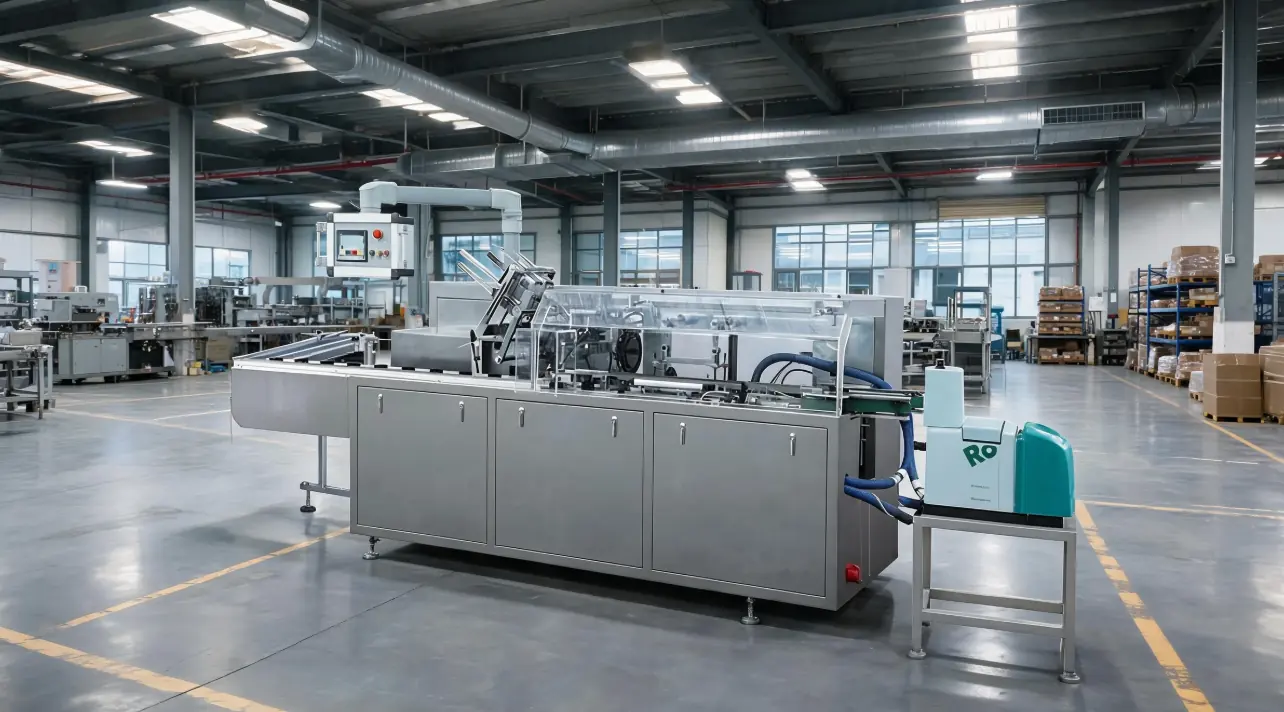
An automatic aluminum foil small roll cartoning machine is designed to automate this process. It can automatically feed foil rolls, open paper boxes, load the products, spray glue, seal the boxes, and remove packaging waste.
For manufacturers producing household aluminum foil for supermarkets, wholesalers, private-label brands, or export markets, automatic cartoning can make the packaging process much more efficient.
What Is an Aluminum Foil Small Roll Cartoning Machine?
An aluminum foil small roll cartoning machine is automatic packaging equipment that places finished household aluminum foil rolls into pre-cut paperboard boxes and completes the main box-packing process.
The typical working sequence is:
Automatic Feeding → Box Opening → Product Loading → Glue Spraying → Box Sealing → Waste Removal
Unlike an aluminum foil rewinding machine, which produces the finished foil rolls, the cartoning machine focuses on turning those rolls into retail-ready boxed products
This makes the cartoning machine an important part of an automated household aluminum foil packaging line.
How Does the Automatic Cartoning Process Work?
The machine combines several packaging operations into one continuous process.
1. Automatic Feeding
Finished aluminum foil rolls are transferred into the machine through an automatic feeding system.
The feeding system positions the rolls for the next packaging step, reducing the need for workers to manually place every roll into a box.
The feeding configuration should be matched to the actual roll diameter, width, weight, and production output.
2. Box Opening
The machine takes the flat cardboard box blanks and opens them into their required shape.
Proper box forming is important because even a small deformation can affect product loading and final sealing.
3. Product Loading
Once the box is formed, the aluminum foil small roll is automatically positioned and loaded into the box.
The product orientation and loading method depend on the roll and carton design.
4. Glue Spraying
The machine applies adhesive to the designated areas of the carton.
The amount and position of glue need to be controlled properly to ensure reliable box sealing without unnecessary adhesive consumption.
5. Box Sealing
After the foil roll is loaded, the carton flaps are folded and sealed.
The result is a finished retail box containing the household aluminum foil roll.
6. Waste Removal
The machine also includes a waste-removal process to help keep the packaging area clean and remove unnecessary packaging material generated during operation.
Main Features of the Automatic Aluminum Foil Cartoning Machine
A modern aluminum foil cartoning machine is more than a mechanical box-forming system. Several control and detection functions help improve operating stability and flexibility.
Servo Motor and PLC Control
The machine uses a servo motor/controller together with a PLC programmable control system.
This allows the machine to coordinate different packaging movements and provides operators with adjustable machine parameters.
Servo control is particularly useful when accurate and repeatable movement is required during feeding, box forming, product loading, and sealing.
Touchscreen HMI
A touchscreen human-machine interface makes machine operation easier.
Operators can monitor the machine and adjust relevant operating parameters through the control interface rather than relying entirely on manual mechanical adjustments.
For factories producing several box specifications, this can make changeovers and daily operation more convenient.
Photoelectric Detection and Tracking
The machine uses a photoelectric detection and tracking system to monitor the packaging process.
One practical benefit is reducing unnecessary packaging material consumption when a product or package is missing.
In other words, the system helps coordinate product detection with the packaging operation instead of blindly processing every packaging position.
Adjustable Tooling and Templates
Tooling and templates can be adjusted or changed for different product and box specifications within the machine's working range.
This is useful for manufacturers producing several household aluminum foil roll sizes or different retail box designs.
However, buyers should confirm the exact dimensions with the manufacturer before ordering.
Motor Overload Protection
The main drive motor is equipped with an overload protection device.
This helps protect the drive system when abnormal operating conditions occur and provides an additional layer of operational safety.
Optional Safety Protective Cover
A flip-top safety protective cover can be added according to customer requirements.
The cover provides additional protection around the working area while still allowing operators to access the machine when necessary.
Aluminum Foil Small Roll Cartoning Machine Specifications
The following are the main specifications of this machine:
Specification
Technical Data
Cartoning Speed
30–60 boxes/min
Box Material
300 g/m² or 400 g/m² white cardboard
Box Dimension Range (L × W × H)
200–460 × 30–60 × 30–60 mm
Working Pressure
0.6–0.9 MPa
Air Consumption
<5 m³/h
Power Supply
380 V, three-phase, 50 Hz
Motor Power
5 kW
Machine Dimensions (L × W × H)
4100 × 1600 × 1900 mm
Machine Weight
Approx. 1,800 kg
Noise at Work
<80 dB
The rated cartoning speed is
30–60 boxes per minute
Actual production output can vary depending on the box design, product arrangement, feeding method, machine settings, and operating conditions.
The supported box dimension range is
200–460 mm in length, 30–60 mm in width, and 30–60 mm in height
Therefore, buyers should provide actual carton drawings and foil roll samples when requesting a machine quotation.
What Types of Aluminum Foil Products Can Be Packed?
The machine is primarily designed for household aluminum foil small rolls packed in retail paper boxes
Typical applications can include:
Standard household rolls
Kitchen aluminum foil
Private-label foil rolls
Supermarket aluminum foil products
Retail foil rolls for wholesalers and distributors
The actual product range depends on the compatible roll and carton dimensions.
For example, if a manufacturer plans to sell several foil roll lengths, it is important to check whether the corresponding roll diameters and box sizes remain within the machine's working range.
This is why product specifications should be finalized before the packaging machine is selected.
Can It Be Connected to an Aluminum Foil Rewinding Machine?
Yes. An automatic cartoning machine can be incorporated into a larger household aluminum foil production line.
A typical setup is:
Jumbo Roll → Rewinding → Finished Small Roll → Transfer/Feeding → Cartoning → Case Packing
The rewinding machine produces the finished foil rolls, while the cartoning machine handles the retail box packaging.
Depending on the factory layout and production capacity, conveyors, buffers, or automatic transfer systems may be installed between the two machines.
This type of integration reduces manual product handling and can create a smoother production flow.
However, the output of the rewinding machine and the packaging capacity should be properly matched. There is little benefit in installing a high-capacity cartoning machine if the upstream equipment cannot supply enough finished rolls.
How to Choose the Right Aluminum Foil Cartoning Machine
Before purchasing an aluminum foil small roll packing machine , buyers should prepare the following information.
1. Paper Box Specifications
The supplier should know:
Box length
Box width
Box height
Cardboard material
Cardboard thickness or weight
Box structure
Box opening design
2. Required Production Capacity
Determine the number of finished boxes required per minute or per hour.
The packaging capacity should be compatible with the output of the rewinding line.
3. Packaging Design
A printed retail box may have different requirements from a simple plain carton.
If the box includes a built-in cutter, special opening, or unusual folding structure, the manufacturer should review the box drawing before machine design.
4. Factory Conditions
Also check:
Available floor space
Power supply
Compressed-air supply
Machine access and installation space
For this machine, the reference specifications require
380 V, three-phase, 50 Hz power and
0.6–0.9 MPa working pressure.
Conclusion
An automatic aluminum foil small roll cartoning machine automates one of the most labor-intensive steps after household aluminum foil rewinding.
The machine can complete automatic feeding, box opening, product loading, glue spraying, box sealing, and waste removal in a continuous pack
Questions buyers ask
How is it different from a rewinding machine?
The rewinder produces the finished foil rolls; the cartoning machine turns those rolls into boxed retail products.
What limits the speed?
Usually the feeding system and box forming, which is why both are matched to your actual roll and box dimensions.
Also in Packaging & End-of-Line Equipment
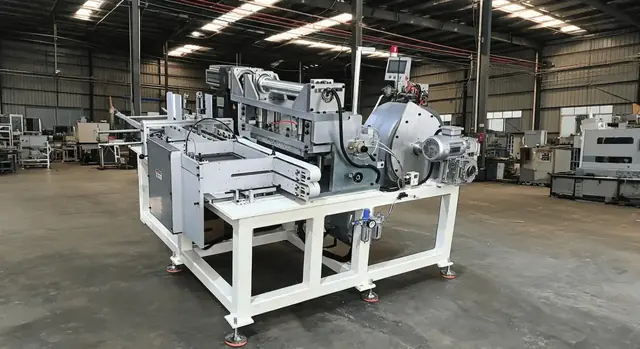
Tinplate Saw Blade Binding Machine
Punches saw blades from tinplate coil and fixes them onto color boxes for foil and cling film.
View details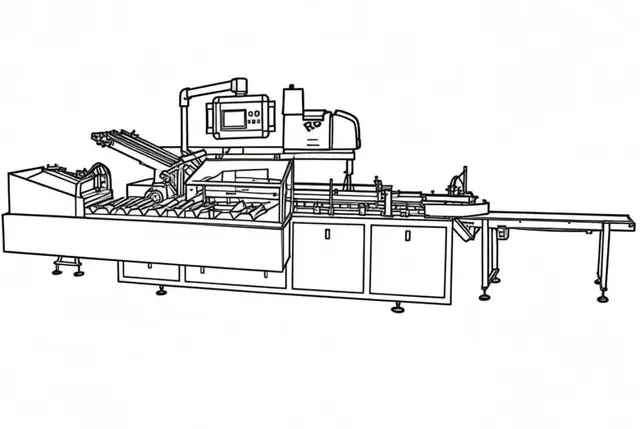
Aluminum Foil Sheet Packing Machine
Automatically stacks, counts and packs pre-cut aluminum foil sheets into boxes.
View details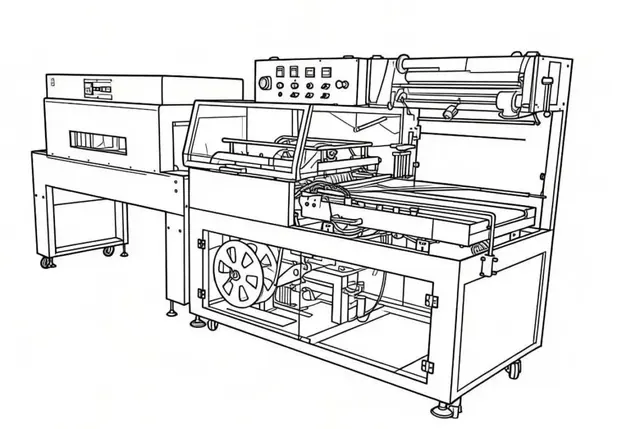
Plastic Shrink Wrap Machine
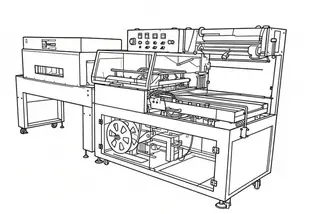
Wraps products or multi-pack aluminum foil containers in heat-shrinkable film for bundling and display.
View detailsQuote the Aluminum Foil Small Roll Cartoning Machine
Send your finished product details and target output. We shortlist the factories, compare the quotes and inspect before anything ships.