








8011 O Aluminum Foil Jumbo Rolls: Features, Thickness, Width and Common Applications
Learn about 8011 O aluminum foil jumbo rolls, including key features, common thicknesses, widths, specifications, and applications for food packaging and household foil production.
8011-O household aluminum foil is one of the most widely used materials because it offers an excellent balance of flexibility, strength, food safety, and cost.
The "O" temper indicates that the foil has been fully annealed, making it soft enough to wrap around food or containers without cracking while still maintaining sufficient strength for everyday kitchen applications. Compared with other aluminum alloys, 8011-O provides stable mechanical properties and consistent processing performance, making it a preferred choice for household foil converters around the world.
Whether you manufacture household foil rolls or source aluminum foil jumbo rolls for your packaging business, understanding the basic specifications of 8011-O aluminum foil can help you select the right material for your production needs.
What Is 8011-O Household Aluminum Foil?
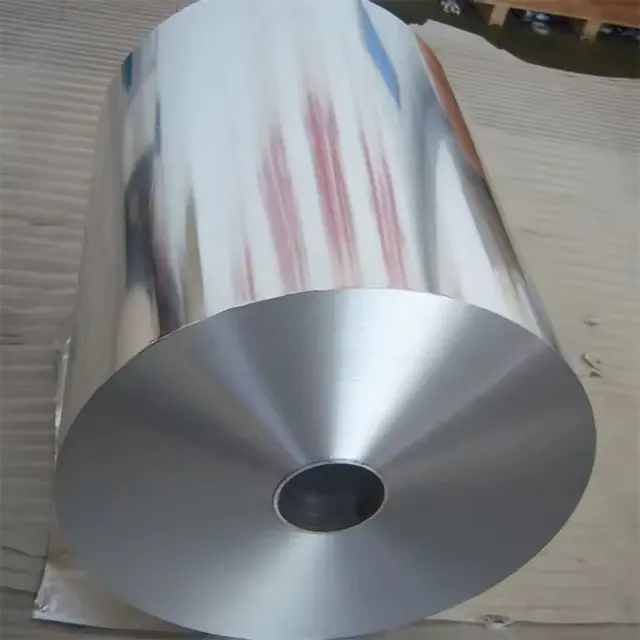
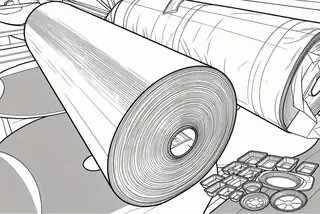
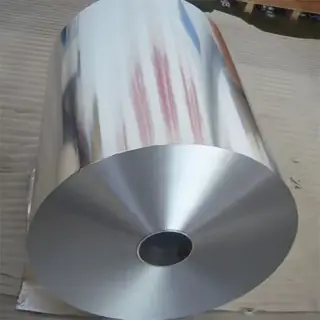
8011-O household aluminum foil is a food-grade aluminum alloy supplied in jumbo rolls for further processing into finished household foil products. The material is produced by hot rolling, cold rolling, and a final annealing process that creates the soft O temper.
Compared with pure aluminum alloys, 8011 contains small amounts of iron (Fe) and silicon (Si), which improve its mechanical strength while maintaining excellent ductility. This combination allows the foil to be folded, embossed, or rewind without affecting its performance.
The "O" temper refers to the fully annealed condition. During annealing, the rolled aluminum foil is heated under controlled temperatures to relieve internal stress, resulting in a softer material with improved elongation and formability. This is why household aluminum foil can easily conform to different food shapes without breaking.
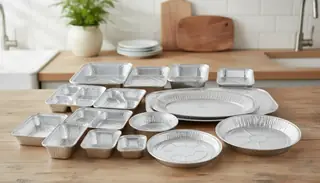
8011-O aluminum foil jumbo rolls are commonly converted into:
Household kitchen foil rolls
Supermarket retail foil
Aluminum foil sheet
BBQ aluminum foil
Baking foil
Frozen food packaging foil
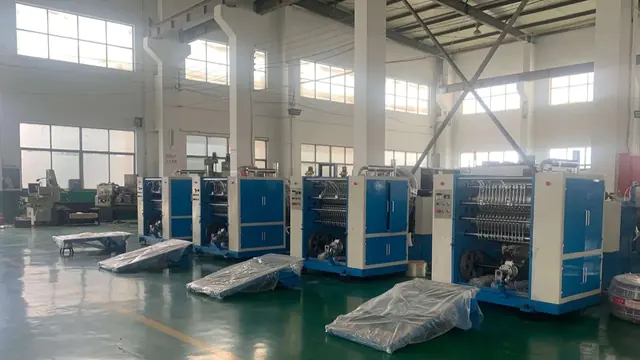
Since rewinder often produce multiple finished roll sizes, purchasing jumbo rolls instead of pre-cut foil offers greater flexibility and improves production efficiency.
Main Features of 8011-O Household Aluminum Foil.
Several characteristics make 8011-O one of the preferred raw materials for household aluminum foil production.
Excellent Formability

The fully annealed temper provides outstanding flexibility, allowing the foil to wrap tightly around food, baking trays, or containers without cracking. This softness also makes the material suitable for embossing and rewinding during the converting process.
Good Heat Resistance
8011-O aluminum foil performs well under both high and low temperatures. It can typically withstand temperatures between
250°C and 300°C , making it suitable for oven cooking, baking, roasting, and grilling. At the same time, it maintains its performance in freezer environments, helping preserve food quality during cold storage.
Reliable Barrier Performance
Aluminum foil naturally provides an effective barrier against moisture, oxygen, light, and odors. These properties help maintain food freshness, reduce moisture loss, and protect food from external contamination during storage or transportation.
Food-Grade Safety
8011-O household aluminum foil is manufactured using food-grade raw materials and is safe for direct contact with food when produced according to relevant quality standards. It does not absorb odors or flavors, making it suitable for a wide range of food packaging applications.
Easy Converting
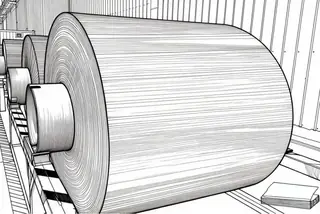
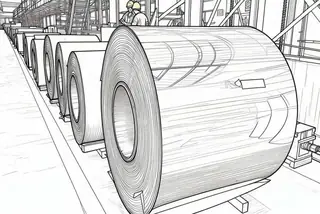
Jumbo rolls of 8011-O aluminum foil are designed for efficient slitting and rewinding. Stable thickness and consistent mechanical properties help converters achieve smooth production while reducing the risk of foil breakage or uneven winding.
Environmentally Friendly
Like other aluminum products, household aluminum foil is fully recyclable. Recycling aluminum requires significantly less energy than producing primary aluminum, making it an environmentally responsible packaging material when properly collected and recycled.
Common Thickness of 8011-O Household Aluminum Foil.
Thickness is one of the most important specifications for buyers of 8011-O household aluminum foil jumbo rolls. The thickness directly affects the foil's strength, flexibility, barrier performance, and cost.
Household aluminum foil typically ranges from 8 microns (0.008 mm) to 25 microns (0.025 mm) . Within this range, different thicknesses serve different purposes:
Thickness
Typical Applications
Characteristics
8–11 micron
Standard household foil, light food wrapping
Thin, economical, flexible; suitable for everyday kitchen use
12–14 micron
General-purpose kitchen foil, catering
Balanced strength and flexibility; most common thickness for retail rolls
15–18 micron
Heavy-duty household foil, BBQ, grilling
Stronger and more puncture-resistant; ideal for high-heat applications
20 micron+
Extra heavy-duty, commercial food service
Maximum strength and barrier protection; used for demanding applications
8–11 micron: Economical Choice for Everyday Use
Foils in this thickness range are commonly used for wrapping sandwiches, fruits, vegetables, and leftover food. They are lightweight, easy to dispense, and offer an economical option for supermarkets and retail brands.
Although they perform well for daily food storage, thinner foils are more likely to tear when wrapping foods with sharp edges or when used for heavy grilling.
12–14 micron: The Most Popular Household Specification
This thickness range is the industry standard for most household aluminum foil rolls. It provides an excellent balance between flexibility and strength, making it suitable for baking, roasting, food wrapping, and freezer storage.
Many private-label supermarket products and branded household foil rolls use 12 micron or 13 micron foil because it meets the needs of most consumers while keeping production costs competitive.
15–18 micron: Heavy-Duty Household Foil
For customers who require stronger foil, 15–18 micron is a preferred option. The additional thickness improves puncture resistance and reduces the chance of tearing during use.
This specification is commonly selected for barbecue and grilling,wrapping meat with bones,commercial kitchens and heavy-duty retail foil rolls.
In some export markets, especially where consumers expect more durable kitchen products, thicker household foil has become increasingly popular.
20 micron and Above: Special Applications
Household foil thicker than
20 micron is generally used for heavy-duty food service products or certain industrial applications rather than standard retail foil rolls.
Because thicker foil increases raw material consumption and overall product cost, it is usually selected only when extra strength is required.
Common Width of 8011-O Aluminum Foil Jumbo Rolls.
In addition to thickness, the width of the jumbo roll plays an important role in production efficiency. The appropriate width depends on the converting equipment, finished roll specifications, and the number of strips to be slit from each jumbo roll.
Standard household foil rolls
Common aluminum foil roll retail widths: 300 mm, 450 mm.
Corresponding jumbo roll widths: 300 mm, 450 mm, this width is often used when producing a single household foil specification. It minimizes the need for additional slitting and is suitable for smaller production lines or specialized orders.
Commercial kitchen rolls
Common widths: 450 mm, 500 mm, 600 mm.
These are used in restaurants and catering services for wrapping large trays and containers.
They allow converters to slit multiple finished roll widths from one master roll, improving material utilization while reducing production costs.These widths are widely used by manufacturers producing several household foil sizes for different markets.
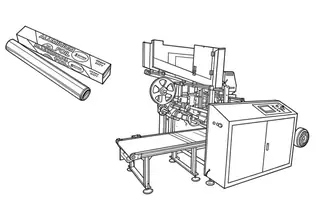
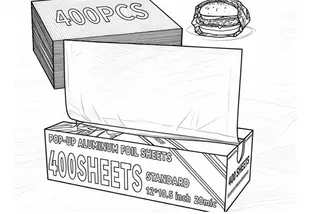
POP UP aluminum foil sheet
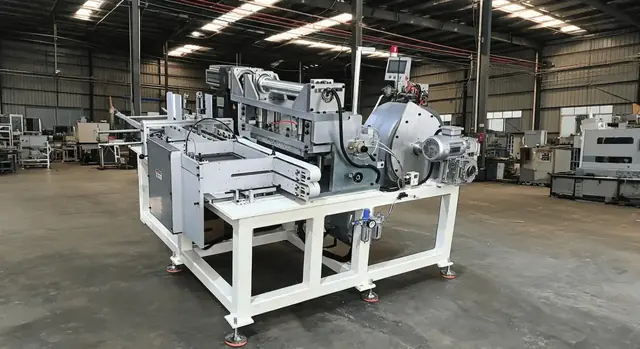
Common jumbo roll width: Within 950 mm, depending on the specifications of the pop-up aluminum foil sheet making machine.
8011-O aluminum foil is also widely used for producing pop-up aluminum foil sheets, which are commonly supplied in dispenser boxes for food service, catering, and commercial kitchens.
When selecting the jumbo roll width, manufacturers should consider:
Finished sheet dimensions
Number of sheets per box
Machine feeding and cutting capacity
Material utilization and production efficiency
Choosing the appropriate width helps reduce production waste, improve cutting accuracy, and maximize output during the converting process.
Other Specifications Buyers Should Know
Besides thickness and width, several additional specifications should be confirmed before placing an order.
Core Diameter
The most common paper core diameters are
76 mm (3 inches) and
15
Have a project like this?
We source the machinery, audit the factory and inspect the goods before they ship.
Ask a question Email usMore on Materials & Alloys
Related equipment and products
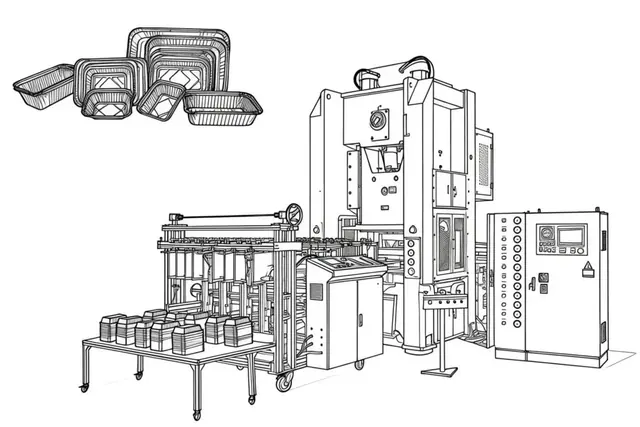
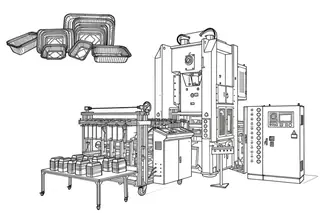
Aluminum Foil Container Making Machine
High-speed press line that converts aluminum foil jumbo rolls into finished food containers automatically.
View details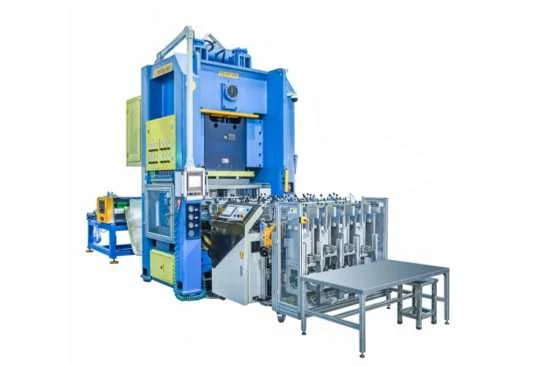
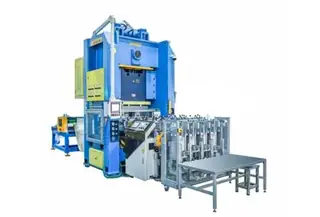
C-Frame Foil Container Machine
C-frame press configuration for aluminum foil container forming, with open access on three sides.
View details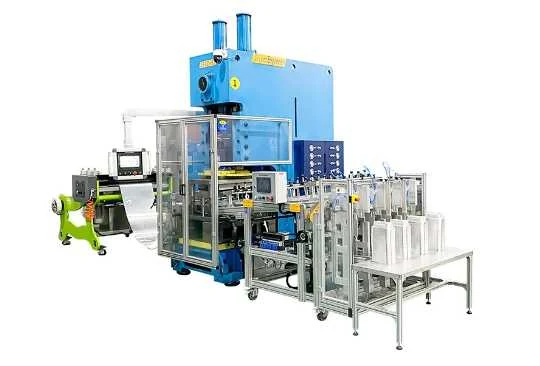
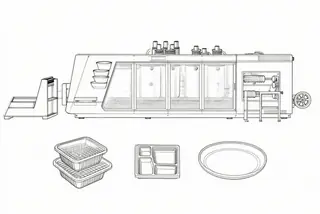
H-Frame Foil Container Press
Closed H-frame press built for heavier, higher-tonnage aluminum foil container forming.
View detailsTurn this into a project
Send us your target product and market. We come back with the factory shortlist and what it costs to verify them.