

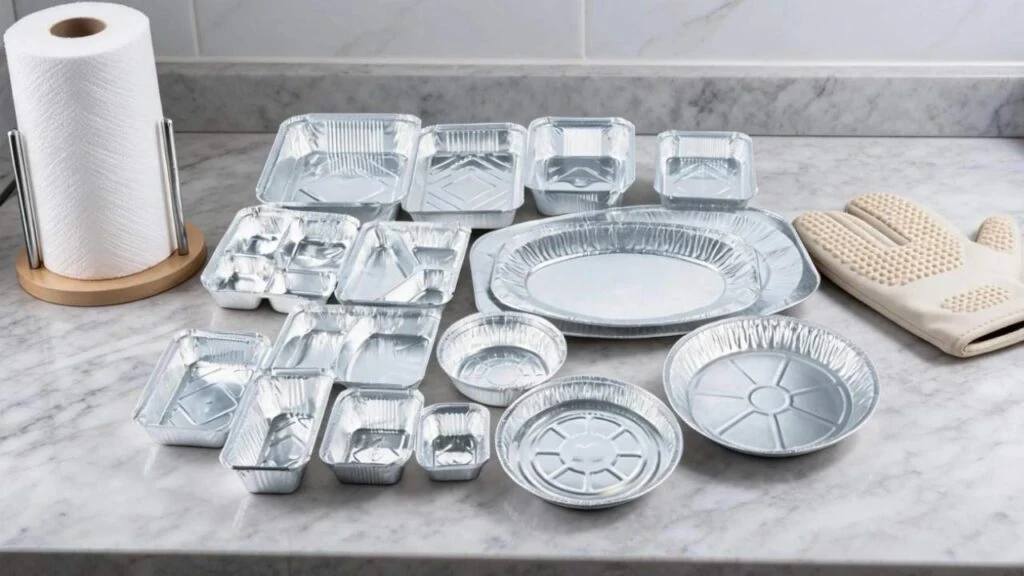

8006 O Aluminum Foil: The Best Choice for Wrinkle-Free Aluminum Foil Containers
Discover why 8006 O aluminum foil is the preferred choice for wrinkle-free food containers. Higher strength, better forming, and superior rigidity for premium packaging
Wrinkles are a persistent defect caused by uneven stress distribution during deep drawing, especially in thinner gauges. Choosing the right alloy is the single most critical decision to prevent this.
That's where
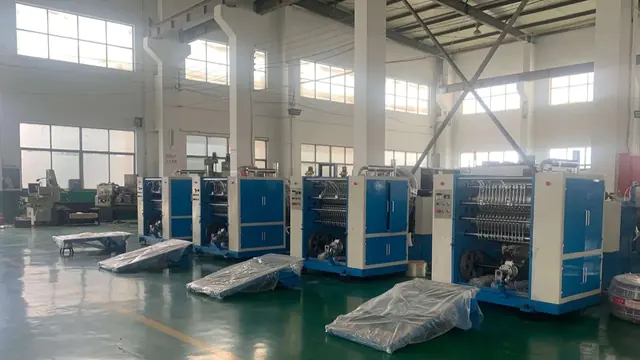
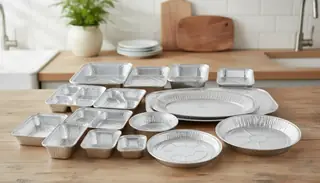
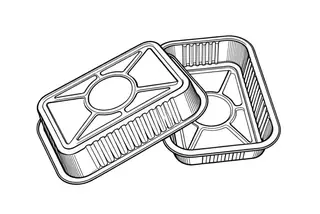
8006 O aluminum foil excels. With higher tensile strength, better elongation, and stable formability, it has become the preferred material for wrinkle-free, rigid containers. In this article, we'll explain and guide you in sourcing the best foil for your food packaging operation.
What is 8006 O Aluminum Foil?
Alloy Composition
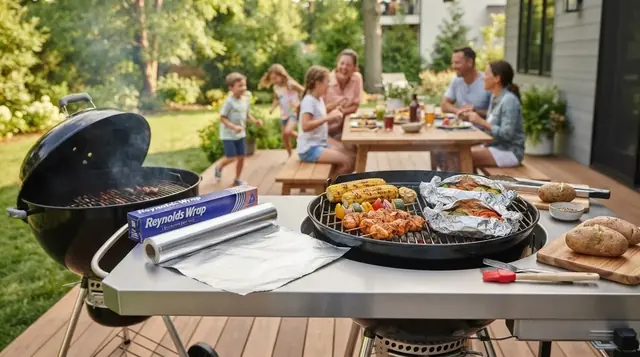
8006 aluminum foil belongs to the 8000 series of wrought aluminum alloys. Its composition is specifically engineered to balance strength, formability, and corrosion resistance
The typical chemical composition of 8006 aluminum foil is as follows :
Element
Content (%)
Role in Performance
Aluminum (Al)
95.9 – 98.5
Base metal
Iron (Fe)
1.2 – 2.0
Increases strength and rigidity
Manganese (Mn)
0.3 – 1.0
Enhances formability and flexibility
Silicon (Si)
≤ 0.40
Improves casting and rolling properties
Copper (Cu)
≤ 0.30
Trace strengthening element
Magnesium (Mg)
≤ 0.10
Trace element
Zinc (Zn)
≤ 0.10
Trace element
The higher iron and manganese content compared to other container alloys is what gives 8006 its unique combination of strength and formability. The manganese content, in particular, improves flexibility and makes the alloy more suitable for complex forming operations
O Temper Characteristics
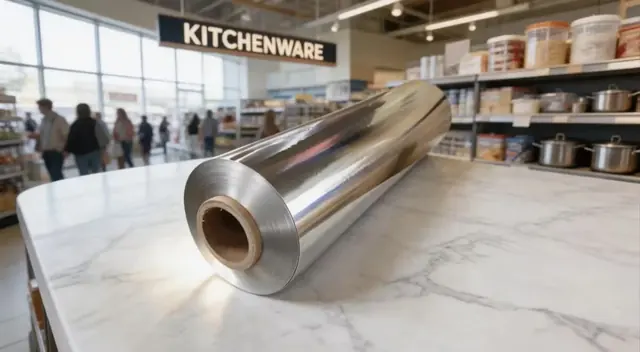
The "O" in 8006 O aluminum foil stands for "annealed"-the softest, most fully recrystallized temper available
In the O temper, the foil has undergone a full annealing process that eliminates internal stresses from rolling and produces the highest possible plasticity
Why does this matter for container manufacturing? A fully annealed foil is more ductile and easier to form into complex shapes without cracking. The material flows more uniformly during deep drawing, which is essential for achieving wrinkle-free results. Many manufacturers also find that O temper foil work-hardens during the forming process itself, gaining additional strength after being shaped into a container
Mechanical Properties
For container-grade 8006 O aluminum foil, the typical mechanical properties are:
Property
Typical Value
Tensile Strength
123 – 135 MPa
Yield Strength (Rp0.2)
45 – 100 MPa
Elongation
≥ 3% (varies by thickness)
Elastic Modulus
70 MPa
Density
2.74 g/cm³
Common Thickness and Width Specifications
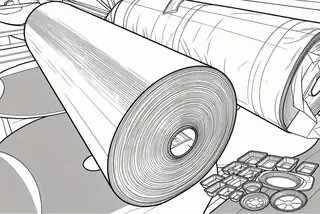
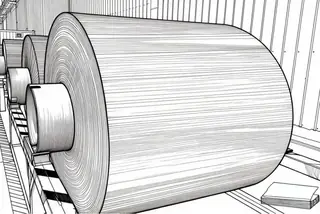
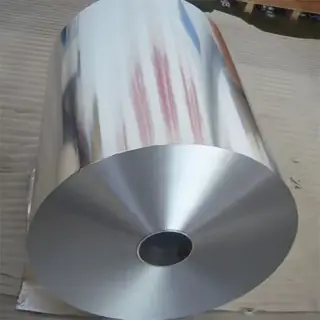
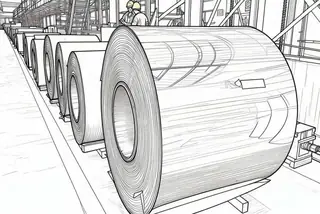
8006 O aluminum foil for food container production is available in a wide range of specifications to suit different stamping machines and mold designs.
Typical thickness range:
0.030 mm – 0.200 mm
Most commonly used:
0.055 mm – 0.120 mm
Typical jumbo roll widths:
220 mm – 1,250 mm
Customized widths are available based on mold layout and production efficiency.
The choice of thickness depends on several factors, including:
Container size
Weight requirements
Target market
For example, lightweight takeaway containers may use thinner foil to reduce material costs, while airline meal trays or heavy-duty catering containers often require thicker thickness to achieve greater rigidity and better handling performance.
Key Advantages of 8006 O Aluminum Foil
Beyond wrinkle resistance, 8006 O offers several performance benefits that make it a preferred material for high-quality food packaging.
Excellent Deep Drawing Performance
The alloy is specifically designed for demanding forming operations, making it suitable for containers with greater depth and more complex shapes.
Higher Mechanical Strength
Compared with conventional container foil alloys, 8006 O produces stronger finished containers while still maintaining good formability.
Better Surface Appearance
More stable material flow helps create smoother sidewalls with fewer wrinkles, improving the overall appearance of the finished product.
Improved Stacking Stability
Stronger container walls reduce deformation when multiple trays are stacked during storage or transportation.
High Recyclability
Aluminum is one of the world's most recyclable packaging materials. Containers produced from 8006 O aluminum foil can be recycled repeatedly without significant loss of material quality, making them an environmentally responsible packaging choice.
Typical Applications of 8006 O Aluminum Foil
8006 O aluminum foil is used across a wide range of food packaging applications where wrinkle-free forming and container rigidity are essential:
Airline Meal Trays
The aviation industry demands containers that are lightweight, rigid, and visually presentable. 8006 O is the material of choice for aerospace wrinkle-free lunch boxes. After stamping, the edges remain free of wrinkles and the appearance is smooth.
Smooth-Wall Containers
Premium food brands increasingly specify smooth-wall containers for their products. The absence of wrinkles and surface imperfections signals quality and justifies premium pricing.
High-End Takeaway Containers
The food delivery boom has created demand for takeaway containers that look professional and perform well. 8006 O containers resist deformation during delivery and present food attractively.
Bakery Trays
Bakery items require containers that can withstand oven temperatures without collapsing. 8006 O's high rigidity and heat resistance make it suitable for baking applications.
Ready Meal Packaging
Ready meals are often packaged in deep-drawn aluminum containers that must survive freezing, reheating, and handling. 8006 O's deep drawing performance and dimensional stability are ideal for this application.
Frozen Food Packaging
Frozen foods require containers that maintain their integrity through temperature extremes. Aluminum can go from freezer to oven without compromising container performance.
How to Choose High-Quality 8006 O Aluminum Foil?
Not all aluminum foil performs the same, even when labeled as 8006 O. Differences in rolling technology, annealing processes, and quality control can significantly affect production performance.
When sourcing aluminum foil, buyers should evaluate more than just price.
The following factors deserve careful attention.
1. Surface Quality
The foil surface should be clean, smooth, and free from visible defects.
Inspect for:
Oil stains
Black spots
Scratches
Roll marks
Oxidation
Edge damage
Surface defects may transfer directly onto finished containers, reducing their appearance and increasing rejection rates.
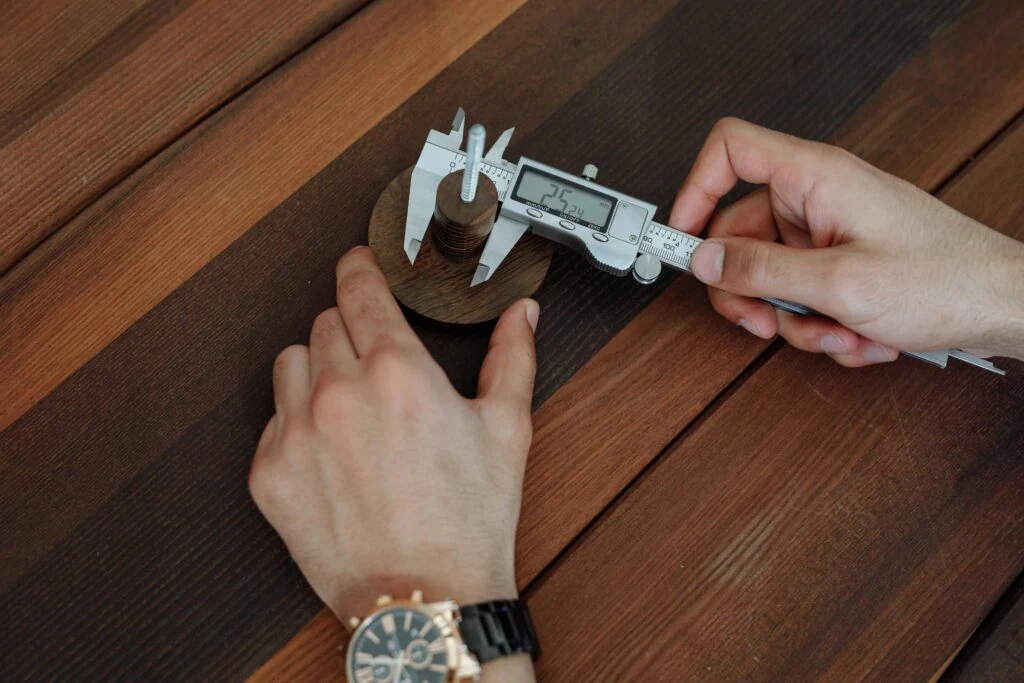
2. Thickness Tolerance
Precise thickness control is essential for consistent forming performance. Reputable suppliers maintain tight thickness tolerances (typically ±3–5%). Ask about the supplier's thickness monitoring and quality control processes.
3. Mechanical Properties
Two coils with the same thickness may perform very differently if their mechanical properties are inconsistent.
Request test reports covering:
Tensile strength
Elongation
Yield strength (if available)
Stable mechanical properties contribute to more predictable stamping performance and fewer production interruptions.
4. Pinhole Quality
Pinholes are tiny perforations that may not be visible during normal inspection but can affect the integrity of food packaging.
Professional aluminum foil manufacturers routinely inspect pinhole density during production.
Ask suppliers about their pinhole testing methods and defect rates.
5. Coil Flatness and Winding Quality
Check for coil integrity, including core condition, edge quality, and absence of telescoping. Poor coil quality can lead to feeding problems on the forming line.
6. Mill Certificates and Quality Documentation
A reliable supplier should be able to provide documentation such as GB (China), ASTM B373 (US), BS EN 485-2 (Europe), GOST (Russia), and JIS (Japan), satisfying the procurement requirements of different markets.
These documents are particularly important for exporters supplying food packaging to international markets.
Expert Tips for Sourcing 8006 O Aluminum Foil from China
China is one of the world's largest producers of aluminum foil, supplying food packaging manufacturers across Europe, North America, the Middle East, Southeast Asia, and South America.
However, selecting the right supplier involves more than comparing quotations.
Here are several recommendations based on common sourcing practices.
Choose Suppliers with Container Foil Experience
Some aluminum factory mainly produce household foil or pharmaceutical foil. Although they may also offer 8006 alloy, their products may not be optimized for deep-drawing container applications.
Whenever possible, work with suppliers that specialize in container foil stock
Request Production Samples
Before placing a large order, test s
Have a project like this?
We source the machinery, audit the factory and inspect the goods before they ship.
Ask a question Email usMore on Materials & Alloys
Related equipment and products
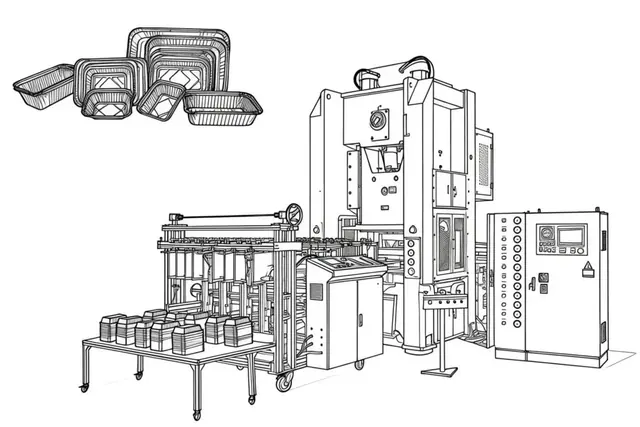
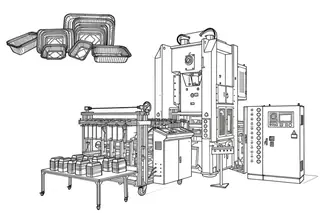
Aluminum Foil Container Making Machine
High-speed press line that converts aluminum foil jumbo rolls into finished food containers automatically.
View details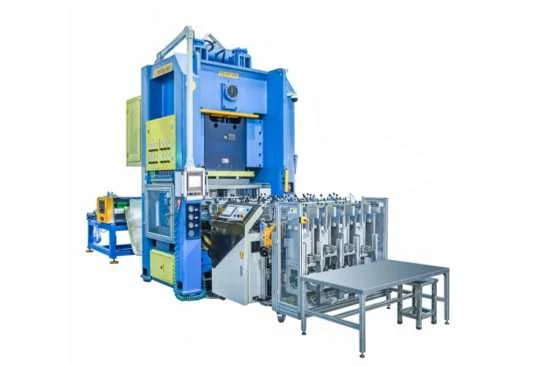
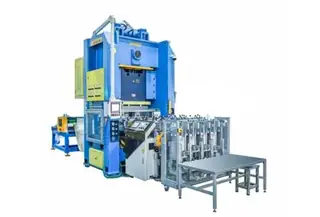
C-Frame Foil Container Machine
C-frame press configuration for aluminum foil container forming, with open access on three sides.
View details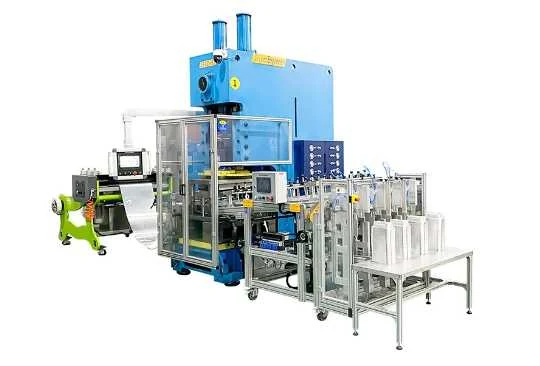
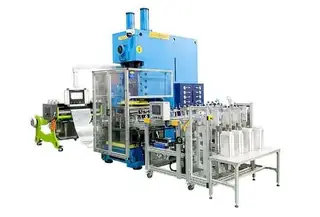
H-Frame Foil Container Press
Closed H-frame press built for heavier, higher-tonnage aluminum foil container forming.
View detailsTurn this into a project
Send us your target product and market. We come back with the factory shortlist and what it costs to verify them.