



How to Test Aluminum Foil Quality – Tensile Strength, Elongation, and Pinholes?
Learn how to test aluminum foil quality before production. Discover why tensile strength, elongation, pinholes, thickness tolerance, and surface quality are critical for aluminum foil container manufacturing.
In actual foil container production, many issues such as cracked corners, unstable forming, scratches, or high scrap rates are caused by poor raw materials rather than the machine. That's why aluminum foil quality testing should always be part of your purchasing process.
This guide explains the key quality indicators you should understand before buying aluminum foil for food packaging applications.
Why Aluminum Foil Quality Matters?
Many new buyers focus only on price. But poor-quality foil can cause a cascade of production problems:
Tearing during stamping
Wrinkles and surface defects
Unstable feeding on the production line
Scratches and white spots
Cracked corners on formed containers
High scrap rates
Shorter mold life

In actual foil container production, we've seen cases where a factory replaced the raw material and instantly cut scrap rates in half. The machine hadn't changed-the foil had.
Raw material quality issues like pinholes, uneven gloss, and rolling marks come from the supplier. But the defects that eat into your margins-wrinkling, tearing, earing-happen during forming. The connection is simple: better raw material means fewer forming defects.
Tensile Strength – The Foundation of Stable Forming.
What Is Tensile Strength?
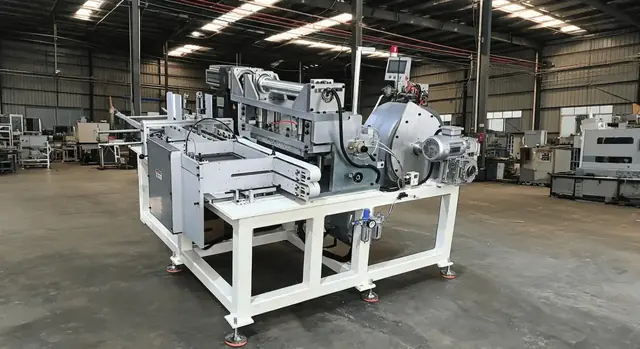
Tensile strength measures how much pulling force a material can withstand before breaking. In simple terms: it's the foil's resistance to being pulled apart.
For aluminum foil container production, tensile strength matters during stamping and deep drawing. The foil must resist deformation forces without tearing.
Why It Matters in Production
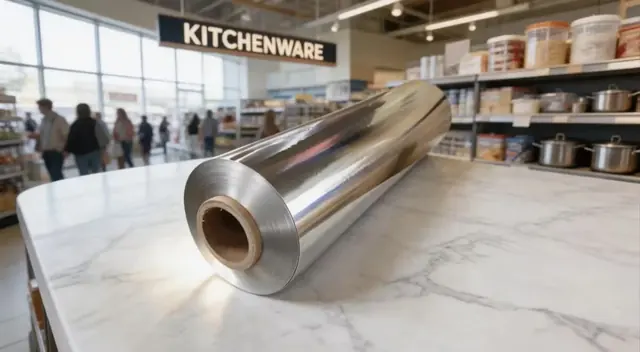
During the forming process, the punch pushes the foil into the die cavity. The foil stretches and flows. If tensile strength is too high, the material resists stretching and may crack at corners. If it's too low, the foil may deform excessively or tear under the forming load.
Different tempers give different tensile properties.
For example:
O-temper (annealed): 40–80 MPa tensile strength with high elongation
H18 temper: up to 180 MPa but only 3% elongation
H24 temper: around 120 MPa with 8% elongation-a balance for forming applications
For food packaging foil containers, alloys like 8006 in H24 temper typically have tensile strength of 105–130 MPa. 3003-H24 foil commonly runs 135–155 MPa.
Practical Example
Think of it this way: if you're forming a deep container with sharp corners, you need foil that can stretch into those corners without cracking. Too much tensile strength (too "hard") and the corners crack. Too little (too "soft") and the container may warp or lose its shape.
Testing tensile strength is done using a universal testing machine according to standards like ASTM E345 or GB/T 228.1. The test pulls a strip of foil until it breaks and records the maximum force.
Elongation – Why Flexibility Matters?
What Is Elongation?
Elongation is the amount a material can stretch before breaking, expressed as a percentage of its original length. It's a measure of ductility-how much the foil can "give" during forming.
Why It's Critical for Deep Drawing?
Aluminum foil containers are made through deep drawing. The flat foil blank gets pushed into a cavity and stretched into a three-dimensional shape. This requires the foil to stretch significantly without tearing.
Higher elongation generally improves forming performance. Poor elongation leads to:
Corner cracking during deep drawing
Edge splitting
Unstable product dimensions
Higher scrap rates
Practical Example
In foil container production, elongation values typically range from 5% to 25% depending on alloy and temper. For 8006 alloy in H24 temper, elongation is ≥5%. For 3003-H24 used in containers, around 12% is common.
Here's a real-world comparison: O-temper foil with 25% elongation forms beautifully but may be too soft for some applications. H18 temper with only 3% elongation is too brittle for deep drawing-it will crack. H24 temper offers the sweet spot: enough strength to hold shape and enough elongation to stretch without breaking.
From what we've seen in many factories, buyers who ignore elongation values often end up with cracked corners and high scrap rates. It's one of the most overlooked specifications.
Elongation is measured during the same tensile test as tensile strength, using the same universal testing machine.
Pinholes – Small Defects with Big Consequences.
What Are Pinholes?
Pinholes are tiny holes through the foil-visible when held up to light. They form during rolling when particles (from the melt, rolling oil, or even airborne dust) get pressed into the foil and create perforations.
How They Form?
As foil thickness decreases, pinholes become more common. For very thin foils (like 6μm), some pinholes are almost unavoidable. But the goal is to minimize both the number and size of pinholes.
Good-quality foil from quality billets can achieve fewer than 100 pinholes per square meter for 6μm foil. Poor-quality foil can have thousands.
Impact on Food Packaging
Pinholes matter for several reasons:
Barrier Performance:
Pinholes allow oxygen and moisture to pass through, compromising the foil's protective barrier. This directly affects shelf life.
Food Safety:
Pinholes can allow contaminants to reach the food. For food packaging aluminum foil, pinhole diameter should be ≤0.3mm and density ≤5 pinholes per square meter.
Printing Quality:
Pinholes can cause ink bleed-through or poor print adhesion.
Structural Integrity:
Pinholes weaken the container at specific points, increasing the risk of leaks or failure during use.
How Pinholes Are Tested?
The standard method for pinhole detection uses a light table in a darkened inspection area. The foil is placed over the light source, and pinholes appear as tiny points of light. This can be done manually by an inspector with normal vision, or using automated optical inspection systems.
For food packaging applications, standards like GB/T 3198 specify pinhole limits for different precision grades.
A Note on Pinholes vs. Production Defects
Here's something important: not every pinhole you see on a finished container comes from the raw material. Research shows that 80% of pinhole defects in formed containers originate from machine setup issues-die clearance, blank holder force, and lubrication.
If you suddenly see a spike in pinholes, check your machine parameters first. Die clearance should be maintained between 0.02mm and 0.04mm. Too loose, and material flows too freely, creating thin spots. Too tight, and you risk tearing.
Other Important Aluminum Foil Quality Tests.
Beyond tensile strength, elongation, and pinholes, here are other key tests buyers should know about.
Thickness Tolerance
Uniform thickness is essential for stable production. Thickness variations cause uneven feeding, inconsistent forming, and higher scrap rates.
The standard requirement under GB/T 3198 is ±5% thickness tolerance. For example, if your foil is specified at 0.08mm, it should measure between 0.076mm and 0.084mm across the roll.
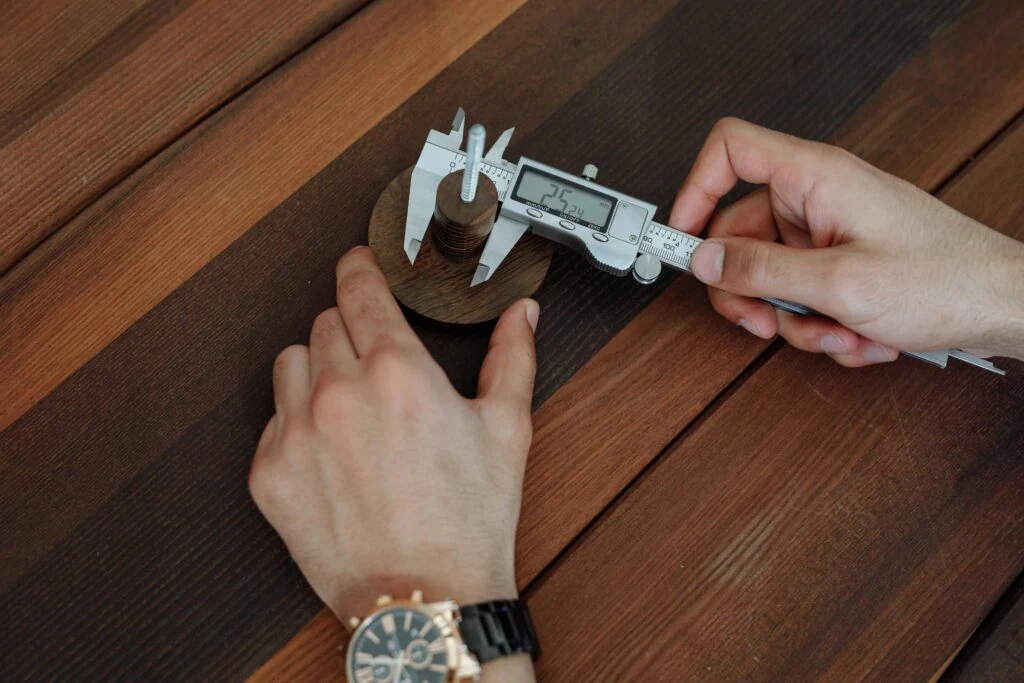
Thickness is measured using high-precision micrometers or laser gauges at multiple points along the foil length.
Width Tolerance
Accurate width ensures consistent feeding through the production line. If the foil is too narrow, it may not cover the forming area properly. If too wide, it can cause feeding issues or excessive trim waste.
Typical width tolerance is ±1mm for most food packaging applications.
Surface Quality
Inspect the foil surface for:
Scratches (from rolling or handling)
Oil stains (residual rolling oil)
Oxidation (dull spots or discoloration)
White spots (often from oxidation or contamination)
Wrinkles (from uneven tension during winding)
Surface quality is typically checked through visual inspection, sometimes with magnification.
Flatness
Poor flatness means the foil isn't perfectly flat-it may have waves or ripples. This affects feeding accuracy and stamping stability. Foil that isn't flat can cause uneven tension during forming, leading to wrinkles or tears.
Coil Appearance
Inspect the coil itself for:
Damaged edges (from handling or shipping)
Loose winding (which can cause telescoping or feeding issues)
Deformation (from improper storage or transport)
Typical Quality Specifications for Food Packaging Aluminum Foil.
Here's a practical example of what a quality specification might look like for aluminum foil used in container production:
Parameter
Typical Specification
Alloy
3003 or 8011
Temper
H24
Thickness
0.06–0.09mm
Thickness tolerance
±5%
Width tolerance
±1mm
Tensile strength
135–155 MPa (3003) / 105–130 MPa (8006)
Elongation
~12% (3003) / ≥5% (8006)
Core diameter
152mm (standard)
Surface
Bright on both sides or one bright one matte
These values aren't just numbers-they translate directly to production performance. The tensile strength
Have a project like this?
We source the machinery, audit the factory and inspect the goods before they ship.
Ask a question Email usMore on Materials & Alloys
- 3003 H24 vs 8011 H22: Choosing the Right Aluminum Foil for Container Manufacturing
- 8006 O Aluminum Foil: The Best Choice for Wrinkle-Free Aluminum Foil Containers
- 8011 O Aluminum Foil Jumbo Rolls: Features, Thickness, Width and Common Applications
- How to Source Aluminum Foil Jumbo Rolls for Household Foil Production?
Related equipment and products
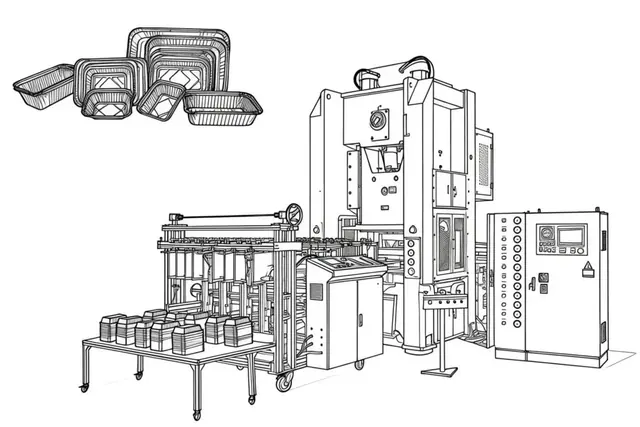
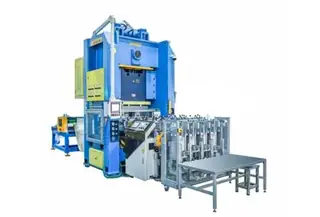
Aluminum Foil Container Making Machine
High-speed press line that converts aluminum foil jumbo rolls into finished food containers automatically.
View details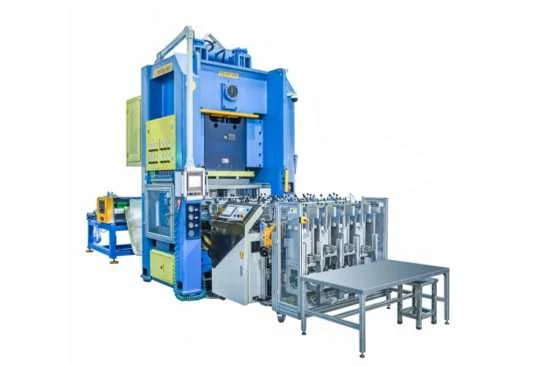
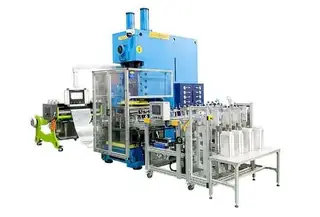
C-Frame Foil Container Machine
C-frame press configuration for aluminum foil container forming, with open access on three sides.
View details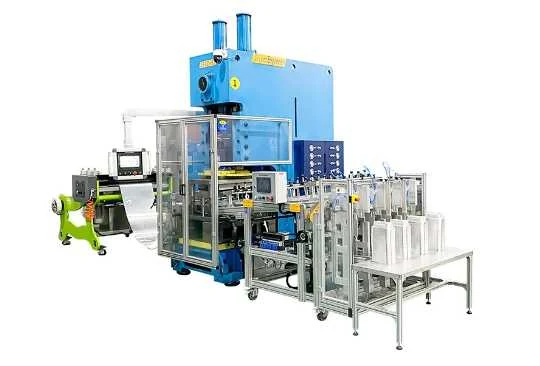
H-Frame Foil Container Press
Closed H-frame press built for heavier, higher-tonnage aluminum foil container forming.
View detailsTurn this into a project
Send us your target product and market. We come back with the factory shortlist and what it costs to verify them.