


How to Source Aluminum Foil Raw Material from China?A Step-by-Step Guide.
Learn how to source aluminum foil raw material from China, find reliable suppliers, verify quality, and avoid costly sourcing mistakes.
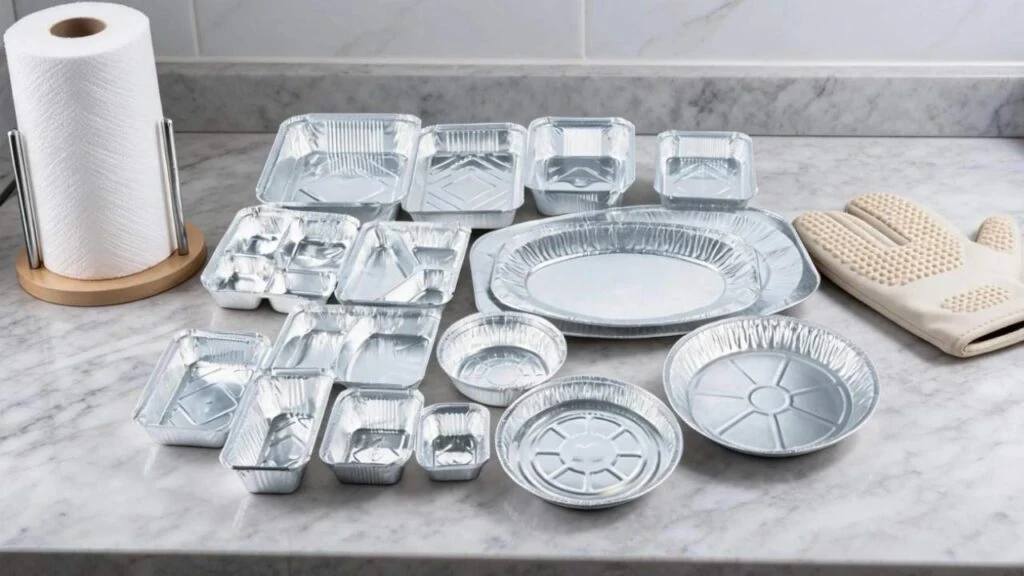
If you are planning to start an aluminum foil container business or are looking for a new supplier for your existing factory, sourcing aluminum foil raw material from China can offer significant advantages in terms of cost, production capacity, and supplier options.
However, many overseas buyers discover that finding a supplier is easy, but finding the right supplier is much more challenging.
Based on our sourcing experience, material specifications, supplier verification, and quality control are often more important than simply finding the lowest price.
This guide will walk you through the complete process of sourcing aluminum foil raw material from China.
Step 1: Understand Your Material Requirements
The alloy determines the foil's strength, formability, and suitability for your specific application. The most common alloys for aluminum foil container raw material are:
Alloy
Characteristics
Best Application
8011
Good forming performance, strength around 120 MPa, low processing cost
General food containers, non-wrinkle food trays
3003
Higher tensile strength than 8011, good formability
Foil containers requiring more strength and stability
3004
Stronger than 3003, excellent load-bearing properties
High-pressure resistant containers, airline lunch boxes
For most aluminum foil container applications, 8011 is the go-to choice for general use, while 3003 and 3004 are better for higher strength and wrinkle containers
Temper
Temper affects how the foil behaves during forming. For container production, the common tempers are:
O (Soft temper) : Offers good flexibility and ductility, facilitating stamping and deep drawing
H22 / H24 (Half-hard temper) : Provides a balance of strength and formability, suitable for most container applications
Thickness
For aluminum foil container production , thickness typically ranges from
0.035 mm to 0.200 mm (35–200 microns)
Most container applications use
0.038–0.100 mm
Container manufacturing generally concentrates in the
40–60 micron range, which provides adequate structural integrity for drawing and stamping while remaining cost-effective
Width
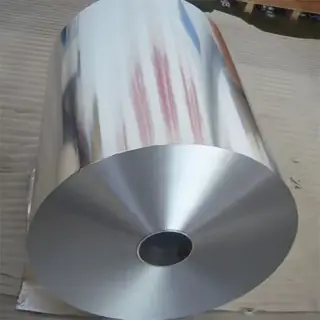
Aluminum foil jumbo roll widths for container production typically range from
200 mm to 1850 mm and can be customized for specific press lines
Coil Weight
Standard jumbo rolls typically weigh
100–800 kg per roll , depending on specifications and transportation requirements
Surface Finish
For container production, you will typically choose between:
Plain finish
(one side bright, one side matte)
Lubricated finish
(improves forming performance)
Key takeaway:
Before reaching out to any supplier, have these specifications clearly defined. This will save you time and ensure you receive accurate quotations.
Step 2: Identify Reliable Aluminum Foil Suppliers in China
Finding trustworthy aluminum foil manufacturers China offers several options, each with its own advantages and drawbacks.
Online B2B Platforms
Alibaba and
Made-in-China are the most widely used platforms for sourcing aluminum foil suppliers in China
They offer:
Large supplier databases
Buyer protection programs (on some platforms)
Easy comparison of multiple suppliers
The drawback is that not all suppliers on these platforms are verified manufacturers-some are trading companies or brokers. Procurement managers should require a verified Material Test Certificate (MTC) for each batch
Trade Shows
Events like the
Canton Fair allow face-to-face evaluation and relationship building
You can inspect product quality in person and assess the supplier's professionalism directly.
Industry Referrals
Word-of-mouth recommendations from other buyers in your industry can be invaluable. A supplier who has performed well for a similar business is likely to be reliable.
Independent Sourcing Agents
An experienced sourcing agent can help identify legitimate manufacturers and handle the legwork of supplier verification.
From our experience:
The most successful buyers use a combination of these methods-starting with online research, then verifying shortlisted suppliers through direct communication and factory audits.
Step 3: Verify the Supplier Before Placing an Order
One common mistake buyers make is skipping supplier verification. Based on our sourcing experience, this is where many sourcing problems begin.
Here is what you should verify:
Business License Check
Request a copy of the supplier's business license. Ensure the company name matches the one you are dealing with and that the business scope includes aluminum foil manufacturing or trading.
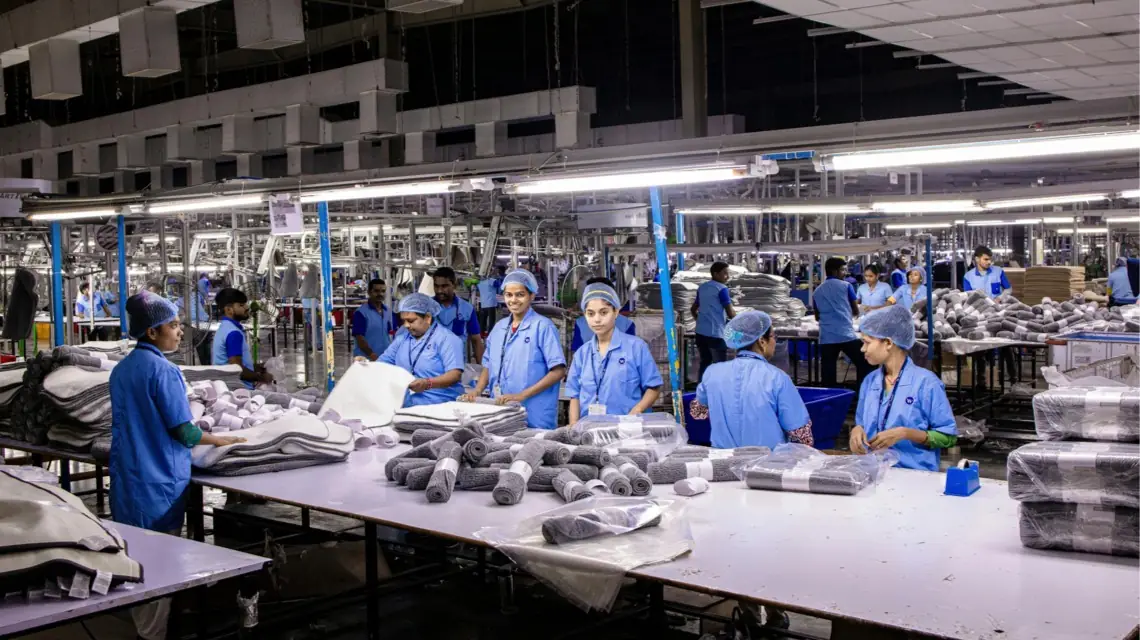
Factory Audit
Whenever possible, conduct a factory audit-either in person or via video. Key things to check:
Production equipment and capacity
Quality control processes
Raw material storage
Cleanliness and organization
Production Capacity
Ask about monthly production capacity. Leading facilities often exceed 1,000 metric tons per month
A supplier with limited capacity may struggle to meet your delivery deadlines.
Export Experience
Ask for export records. A supplier with established export channels will handle documentation, packaging, and logistics more smoothly.
Quality Certifications
Prioritize suppliers with recognized quality management systems such as
ISO 9001
For food-grade foils, ensure compliance with
FDA 21 CFR and
EU Regulation (EC) No 1935/2004 for food contact materials
Look for certifications from independent bodies like
SGS
Customer References
Ask for references from other buyers, especially those in your industry or region. A supplier with nothing to hide will be happy to provide them.
Red Flags to Watch For
Reluctance to provide certificates or test reports
Vague answers about production processes
No verifiable export history
Prices that seem too good to be true
Poor communication or slow response times
Step 4: Request Samples and Material Testing
Before committing to a large order, always request physical samples
This is non-negotiable.
What to Evaluate in Samples
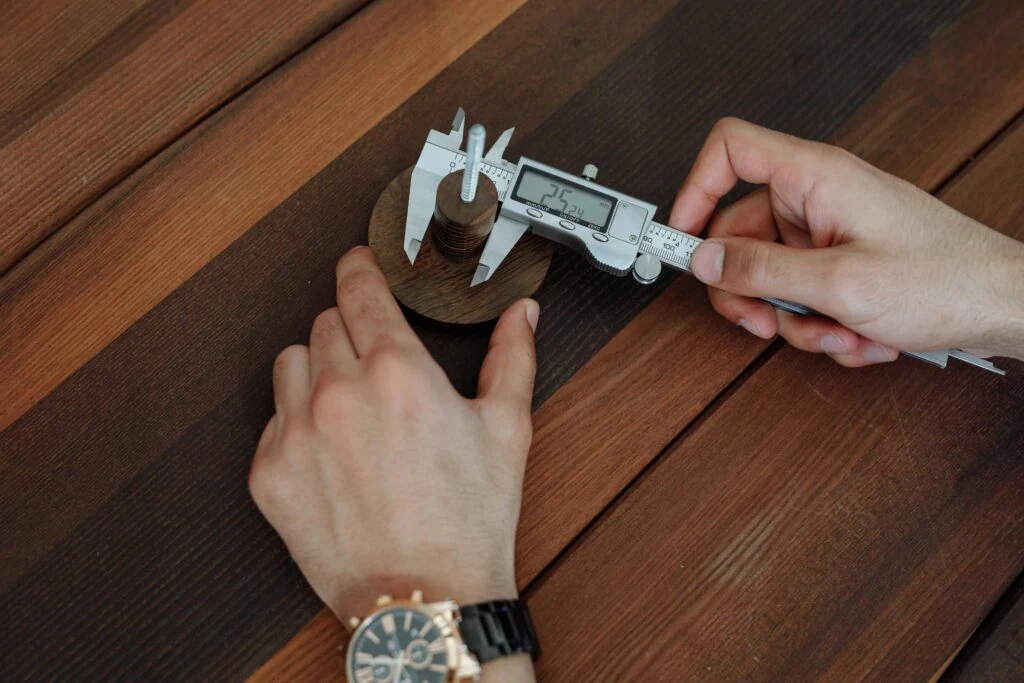
Thickness Measurement
Verify that the thickness matches your specifications. Use a micrometer to check multiple points across the sample.
Surface Quality
Look for scratches, stains, oil residue, or other defects. Surface cleanliness is critical for container performance
Alloy Verification
Request a
Material Test Certificate (MTC) that confirms the alloy composition
Some suppliers may also offer third-party lab testing to verify thickness, tensile strength, and barrier properties
Forming Tests
For aluminum foil container manufacturers , this is the most important step. Run the sample foil through your container production line to test:
Deep-drawing performance
Resistance to cracking
Consistency of formed containers
Tips for Sample Testing
Request samples from at least 2–3 shortlisted suppliers
Test samples under your actual production conditions
Document the results for comparison
Keep samples as reference for future orders
Step 5: Compare Quotations Correctly
When you receive quotations from different aluminum foil suppliers in China , make sure you are comparing apples to apples.
Key Elements of a Quotation
FOB vs CIF Pricing
FOB (Free On Board):
Supplier covers costs up to the port of loading; you arrange shipping
CIF (Cost, Insurance, Freight):
Supplier includes shipping and insurance in the price
Minimum Order Quantity (MOQ)
MOQ varies significantly between suppliers:
Some require
20ft shipping container per order
Others may accept
1–5 tons for initial orders
For consumer-ready rolls, MOQ may be
200kg or more
Packaging Standards
Ask about export packaging. Proper packaging-wooden pallets and moisture-resistant wrapping-prevents transit damage
Lead Time
Production and delivery typically take
20–30 days after order confirmation
This may vary based on order size and customization.
Payment Terms
The most common payment terms are
T/T with 30% deposit and 70% balance before shipment
Other options include
L/C at sight
Why the Lowest Price Is Not Always the Best Option
A common pitfall when sourcing aluminum foil raw material from China is choosing the cheapest quote. Low price often means:
Lower-grade raw materials
Inconsistent thickness
Poor surface quality
Unreliable delivery
One buyer we worked with chose a supplier solely based on price. The foil arrived with inconsistent thickness, causing frequent machine jams and production delays. The cost of downtime far exceeded the savings on the material.
Our advice:
Look for the best value, not the lowest price. Consider the supplier's track record, quality certifications, and communication quality alongside the price.
Step 6: Arrange Quality Inspection Before Shipment
Pre-shipment inspection is one of the most effective ways to reduce purchasing risks. Many buyers skip this step to
Have a project like this?
We source the machinery, audit the factory and inspect the goods before they ship.
Ask a question Email usMore on Materials & Alloys
- 3003 H24 vs 8011 H22: Choosing the Right Aluminum Foil for Container Manufacturing
- 8006 O Aluminum Foil: The Best Choice for Wrinkle-Free Aluminum Foil Containers
- 8011 O Aluminum Foil Jumbo Rolls: Features, Thickness, Width and Common Applications
- How to Source Aluminum Foil Jumbo Rolls for Household Foil Production?
Related equipment and products
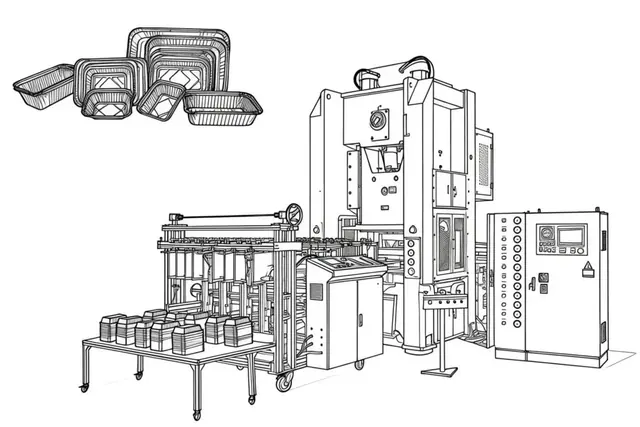
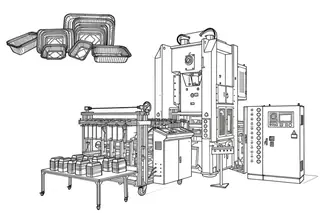
Aluminum Foil Container Making Machine
High-speed press line that converts aluminum foil jumbo rolls into finished food containers automatically.
View details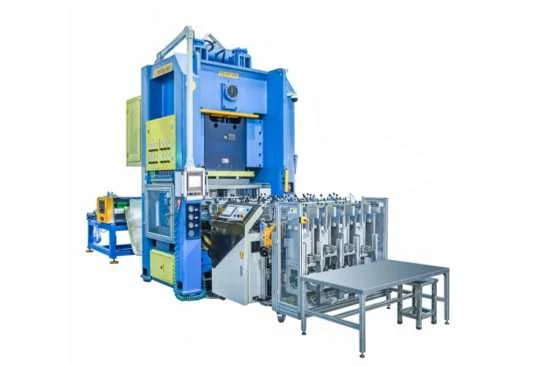
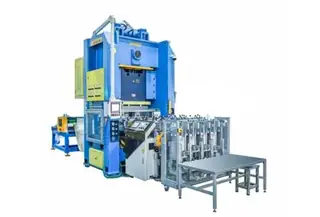
C-Frame Foil Container Machine
C-frame press configuration for aluminum foil container forming, with open access on three sides.
View details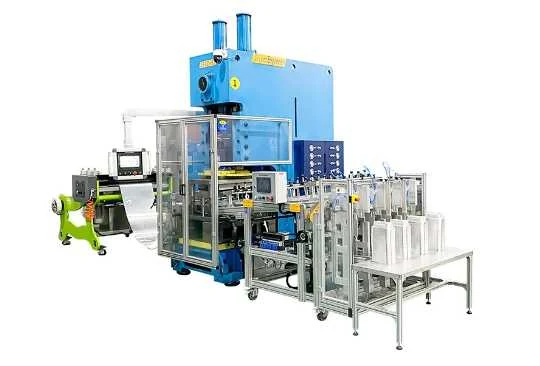
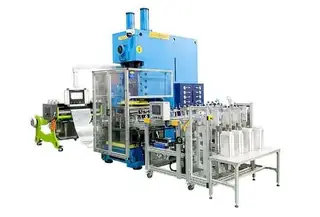
H-Frame Foil Container Press
Closed H-frame press built for heavier, higher-tonnage aluminum foil container forming.
View detailsTurn this into a project
Send us your target product and market. We come back with the factory shortlist and what it costs to verify them.