




How to Store Aluminum Foil Jumbo Rolls Properly: Prevent Oxidation and White Spots
Learn proper storage methods for aluminum foil jumbo rolls,to prevent oxidation and white spots. Discover shelf life, warehouse management tips, and best practices for foil container factories
Although aluminum foil has excellent corrosion resistance, improper storage can still cause quality issues. Common problems include white spots, surface oxidation, water stains, and discoloration. These defects may affect product appearance, forming performance, and customer satisfaction.
From what we've seen in many foil container factories, proper aluminum foil storage is just as important as purchasing high-quality raw materials. In many cases, quality problems begin in the warehouse rather than during production.
This article explains how to store aluminum foil rolls correctly, how long they can be stored, and how to prevent oxidation and white spots.
Content Topic
What Causes White Spots and Oxidation on Aluminum Foil?
How to Store Aluminum Foil Rolls Properly?
Understanding Aluminum Foil Shelf Life
What to Do When Aluminum Foil Arrives at Your Factory?
Common Storage Mistakes in Foil Container Factories
Best Practices for Warehouse Management
Frequently Asked Questions
What Causes White Spots and Oxidation on Aluminum Foil?
Before we talk about solutions, it helps to understand what you're actually seeing. Those white spots, cloudy patches, or powdery deposits on aluminum foil aren't random. They're the visible result of chemical reactions between the foil surface and its environment.
White spots are usually caused by moisture-driven oxidation.
When water vapor condenses on the foil surface, it creates localized galvanic cells. The aluminum reacts with water to form aluminum hydroxide and aluminum oxide, which appear as white or grayish spots. Over time, this can lead to pitting corrosion – permanent damage that ruins the foil's appearance and mechanical integrity.
Here are the most common triggers we see in actual production environments:
High humidity
Warehouse humidity above 70% RH accelerates moisture absorption.
Water condensation
Happens when cold foil rolls are moved into a warm, humid area.
Temperature fluctuations
Night-to-day swings cause condensation on metal surfaces.
Poor ventilation
Stagnant air traps moisture around stored rolls.
Damaged packaging
Tears or punctures in the protective wrap expose the foil directly to ambient air.
Direct floor contact
Concrete floors release moisture that rises into the bottom layers of foil rolls.
Chemical exposure
Acids, alkalis, or even certain cleaning agents can react with the foil.
Many people assume white spots originate from the supplier. But we've tested countless "defective" rolls that were perfectly fine upon delivery. The problem developed weeks later because the foil sat near an open loading dock or on a damp concrete floor. Good aluminum foil raw material quality is only half the battle – the other half is how you treat it after it arrives.
How to Store Aluminum Foil Rolls Properly?
Recommended Storage Conditions
Control these four variables to keep foil production-ready:
T emperature: 15°C–30°C (59°F–86°F)
Avoid large swings at all costs. A warehouse that drops to 10°C at night and jumps to 28°C during the day becomes a condensation machine. From what we've seen, sudden temperature changes cause more white spots than high humidity alone.
Humidity: Below 70% RH(Relative Humidity)– lower is better
At 70% RH or above, oxidation risk rises sharply. For storage over six months, aim for 40–50% RH. In naturally humid regions, use dehumidifiers or air conditioning. We've walked into factories where the humidity monitor read 85% – and every roll had white spots.
Ventilation

Good airflow prevents localized moisture pockets. Use ceiling fans, wall vents, or HVAC(Heating, Ventilation, and Air Conditioning). But don't blow air directly onto exposed foil – rapid evaporation can create temperature gradients.
Clean Environment
Keep foil away from chemicals, acids, alkalis, solvents, and even household cleaners. Store foil in a dedicated zone – not near batteries, fertilizers, or cleaning supplies. One factory stored caustic floor cleaners just a few meters from their foil pallets; within two months, every roll showed severe corrosion at the edges.
Keep Original Packaging Intact
Do not remove the factory protective wrapping until you are ready to load the foil onto your aluminum foil press machine. That plastic or paper wrapping is specifically designed to keep moisture out and preserve the foil surface. Every day the foil sits exposed, it's absorbing humidity. Once opened, the clock starts ticking.
Store Rolls on Pallets – Never on the Floor
Direct floor contact is one of the most common and costly mistakes. Concrete floors are porous and constantly release moisture from the ground below. Place every roll on wooden pallets, plastic pallets, or metal racks. The pallet creates an air gap that prevents moisture wicking and allows air to circulate underneath.
Keep Distance from Walls
Leave at least 10–15 cm (4–6 inches) between foil rolls and warehouse walls. Walls, especially exterior walls, can be cold and prone to condensation. That gap improves air circulation and reduces the risk of moisture forming on the rolls closest to the wall.
Avoid Outdoor Storage – Completely
Never store aluminum foil rolls outdoors, even under a tarp. Rain, dew, direct sunlight, and daily temperature swings will cause rapid degradation. We've seen rolls left outside for just one weekend develop visible white spots by Monday morning. Outdoor storage should be an absolute last resort, and even then, only for a few hours.
Position Rolls Correctly
Store jumbo rolls with the axis horizontal (as they would sit on an unwinder). Avoid stacking rolls in a way that puts pressure on the edges, as deformed edges can lead to tracking problems during conversion. If you must stack, use proper pallet racks and limit stack height based on roll weight and packaging strength.
Separate by Alloy and Temper
If you handle multiple aluminum alloys (e.g., 3003, 8011, 3105) or different tempers, store them separately with clear labeling. This prevents mix-ups and ensures you don't accidentally use the wrong material for a specific container order.
Understanding Aluminum Foil Shelf Life
One of the most common questions we hear is, "How long can we keep aluminum foil rolls before they go bad?"
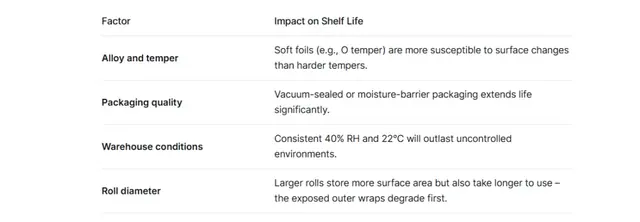
Under proper storage conditions (temperature and humidity controlled, packaging intact, on pallets), aluminum foil rolls typically have a usable shelf life of
12 to 24 months
However, this depends on several factors:
In practice, we recommend using the
FIFO (First In, First Out) principle. Rotate your inventory so that older rolls are used before newer deliveries. Even under ideal conditions, aluminum foil is not a "store forever" material. After 18–24 months, you may start seeing minor surface dullness or increased breakage rates during forming.
For aluminum foil shelf life tracking, label every pallet with the delivery date and alloy. Some factories go further and add a "use by" date based on their warehouse conditions. That's a smart practice.
What to Do When Aluminum Foil Arrives at Your Factory?
The moment foil rolls arrive at your loading dock, your storage management begins. Don't wait until the end of the day to move material inside. Follow this receiving checklist:
1. Inspect Packaging Condition
Check every roll for tears, holes, water stains, or crushed areas. If the protective wrap is damaged, note it on the delivery receipt and take photos. A small puncture today can lead to white spots around that area within weeks.
2. Check Surface Condition (Spot Inspection)
Unwrap one roll from the delivery and visually inspect the first few meters for white spots, corrosion, scratches, or oil stains. This establishes a baseline. If you find defects, quarantine the affected rolls and contact your supplier immediately.
3. Move to Controlled Storage Immediately
Never leave foil rolls sitting on the loading dock, even for "just an hour." We've seen afternoon rain blow in and soak half a pallet. Move all rolls into your temperature- and humidity-controlled warehouse right after unloading.
4. Log Inventory with FIFO Tags
Apply a receiving label with date, alloy, temper, roll weight, and pallet location. If your warehouse management system supports it, scan barcodes to track storage duration.
5. Quarantine and Test if Needed
If you're storing foil for more than six months, pull a small sample after three months to check for surface changes. Better to discover a slow oxidation trend early than to open 20 rolls of ruined material when you need to run a large order.
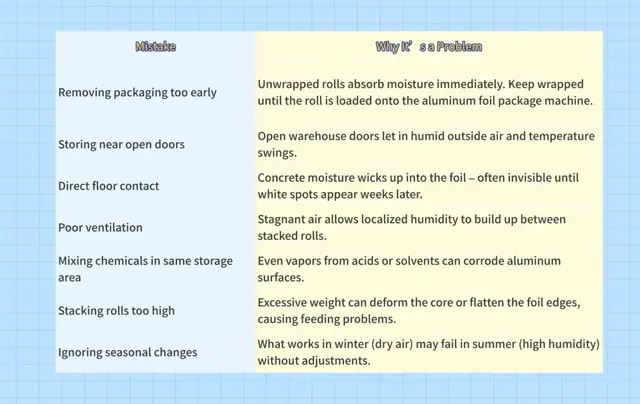
Common Storage Mistakes in Foil Container Factories
After visiting dozens of foil container production facilities, we've seen the same storage mistakes repeat over and over. Avoid these at all costs.
One factory we consulted had
Have a project like this?
We source the machinery, audit the factory and inspect the goods before they ship.
Ask a question Email usMore on Materials & Alloys
- 3003 H24 vs 8011 H22: Choosing the Right Aluminum Foil for Container Manufacturing
- 8006 O Aluminum Foil: The Best Choice for Wrinkle-Free Aluminum Foil Containers
- 8011 O Aluminum Foil Jumbo Rolls: Features, Thickness, Width and Common Applications
- How to Source Aluminum Foil Jumbo Rolls for Household Foil Production?
Related equipment and products
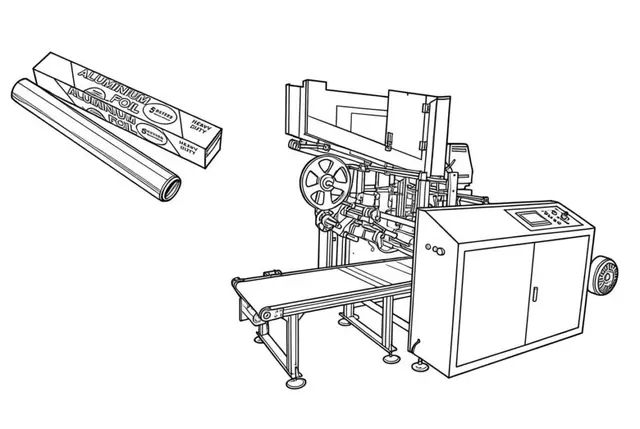
Full Automatic Rewinding Machine
Unwinds jumbo rolls, controls tension, slits, rewinds onto cores, cuts and discharges finished rolls automatically.
View details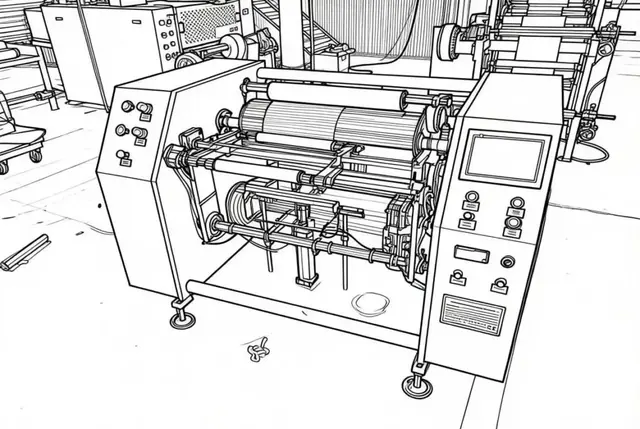
Semi Automatic Rewinding Machine
Two-spindle rewinder for aluminum foil and baking paper, 100-500 mm rewinding roll width.
View details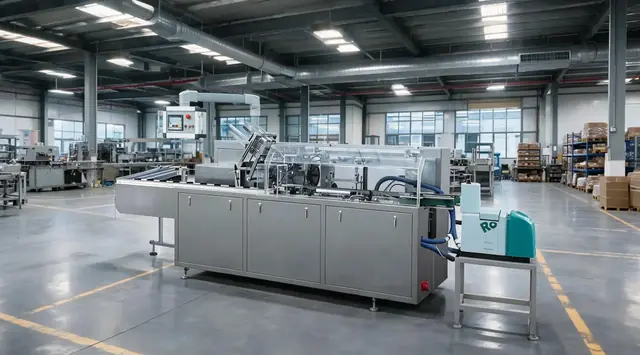
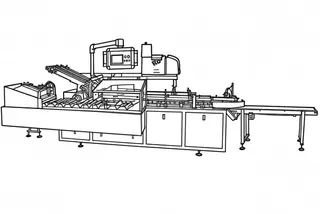
Aluminum Foil Small Roll Cartoning Machine
Automatically feeds foil rolls, opens boxes, loads product, sprays glue, seals boxes and removes waste.
View detailsTurn this into a project
Send us your target product and market. We come back with the factory shortlist and what it costs to verify them.