






Household Aluminum Foil Seasonal Demand: BBQ, Thanksgiving & Holiday Trends
Learn how seasonal demand for household aluminum foil changes during BBQ season, Thanksgiving and holidays, and how manufacturers can plan production and inventory.
In the U.S. market, demand for household aluminum foil may become stronger during the BBQ season, Thanksgiving, Christmas, and New Year period. These occasions often involve more cooking, baking, grilling, food preparation, and food storage. For manufacturers and distributors, the important point is that seasonal demand needs to be prepared for before the actual sales peak.
This means planning aluminum foil jumbo rolls, rewinding capacity, packaging materials, finished inventory, and shipping schedules in advance.
Does Household Aluminum Foil Have Seasonal Demand?
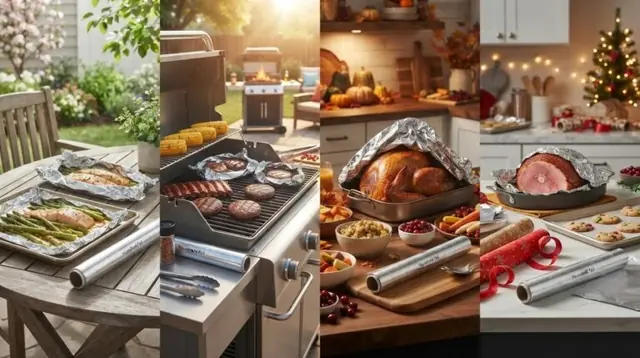
Yes. Household aluminum foil can experience seasonal changes in demand, although the pattern varies between markets.
The product itself is used throughout the year for cooking, baking, food storage, meal preparation, and other household applications. Seasonal events can add temporary demand on top of this normal consumption.
Three periods are particularly relevant for many U.S. household foil suppliers:
Spring and summer BBQ season
Thanksgiving
Christmas and New Year holidays
However, manufacturers should not assume that every market follows exactly the same pattern. Climate, cooking habits, retail promotions, product prices, and local holidays can all influence demand.
There is also an important difference between consumer demand and manufacturing demand
Consumers may purchase more foil shortly before a holiday, but retailers and distributors usually need to receive inventory earlier. Manufacturers therefore have to plan production before the demand peak actually appears.
How BBQ Season Affects Household Aluminum Foil Demand?
BBQ and outdoor cooking are closely connected with household aluminum foil.
During warmer months, consumers may use foil for grilling meat, fish, vegetables, and other foods. It can also be used for wrapping prepared food, covering dishes, lining cooking surfaces where appropriate, and storing leftovers.
For this reason, aluminum foil BBQ season can be an important period for manufacturers serving markets where outdoor cooking is popular.
When Does BBQ Season Usually Begin?
The timing depends on geography and climate.
In the U.S., BBQ activity generally becomes more common from late spring through summer and may continue into early fall. The exact sales pattern can differ by region.
For a manufacturer, the more useful question is not simply "When does BBQ season start?"
It is:
When do my customers start increasing their orders?
A supermarket, distributor, or private-label buyer may place orders several weeks before consumers begin buying more products. This gives the manufacturer time to produce and ship the finished rolls.
Why BBQ Season Matters to Foil Manufacturers?
From a production perspective, seasonal demand can put additional pressure on several parts of the supply chain.
A typical household foil production process may look like:
Aluminum Foil Jumbo Roll → Rewinding → Retail Roll → Packaging → Cartoning → Warehouse → Customer
If demand increases but the factory has limited rewinding capacity, production can become a bottleneck.
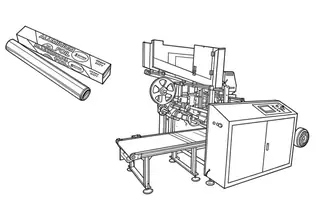
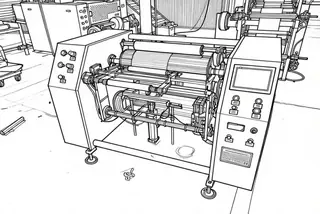
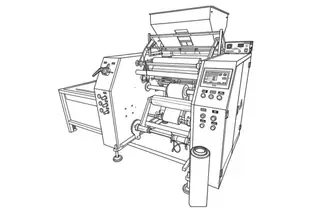
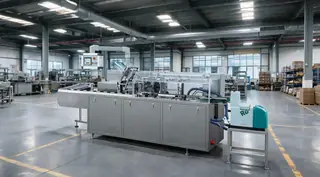
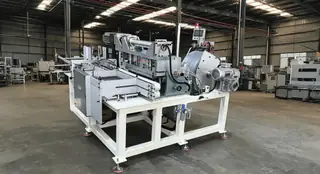
This is where an aluminum foil rewinding machine becomes an important part of production planning. Manufacturers need enough converting capacity to turn jumbo rolls into the retail-size rolls required by their customers.
Packaging materials also need to be available. A shortage of paper cores, color boxes, cartons, labels, or other packaging components can delay shipments even when the aluminum foil itself is in stock.
Thanksgiving and Household Aluminum Foil Demand
Thanksgiving is another important seasonal period for household aluminum foil in the U.S.
The holiday involves large family meals and increased food preparation. Aluminum foil may be used for roasting, baking, covering dishes, wrapping food, and storing leftovers.
For this reason,
Thanksgiving aluminum foil demand is not limited to the day of the holiday itself.
Retailers normally need products on their shelves before Thanksgiving. Distributors may also build inventory in advance to meet expected orders.
This creates a longer planning window for manufacturers.
For example, a simplified supply chain could look like this:
Raw Material Purchasing → Production → Rewinding → Packaging → Shipping → Distributor/Retailer → Consumer
Every step requires time.
A manufacturer that waits until consumer demand is already increasing may have difficulty responding quickly, particularly if the company needs to purchase additional raw materials or packaging materials.
For buyers, the key issue is therefore timing. It is often better to discuss expected Thanksgiving volumes with suppliers before the peak season rather than placing large last-minute orders.
Holiday Sales and Year-End Demand
The Christmas and New Year period can also influence household aluminum foil sales.
Holiday cooking often involves more food preparation, baking, family meals, parties, and food storage. Aluminum foil is useful for many of these everyday kitchen tasks.
However, holiday demand should not be treated as an automatic sales increase in every country or every product category.
The actual effect depends on:
Consumer cooking habits
Retail promotions
Product pricing
Distribution channels
Private-label programs
Local holiday traditions
Household consumption patterns
For manufacturers, the practical approach is to compare current forecasts with previous sales data rather than relying only on a general seasonal assumption.
Household Aluminum Foil Demand by Season
The following table provides a simple framework for production and inventory planning.
Season
Potential Demand Drivers
Manufacturing Considerations
Spring
BBQ preparation and outdoor cooking begins
Review raw material and packaging inventory
Summer
Grilling, BBQ, outdoor meals
Maintain sufficient rewinding and packaging capacity
Fall
Early holiday preparation and normal household cooking
Monitor distributor and retailer orders
Thanksgiving
Large meals, baking, roasting, leftovers
Prepare finished inventory before the holiday
Christmas/New Year
Holiday cooking, baking and family gatherings
Manage production, packaging and shipping schedules
Winter
Normal household cooking
Review seasonal performance and plan the next cycle
This is a general planning framework, not a universal sales forecast. Each manufacturer should use its own sales history and customer information when estimating demand.
Why Seasonal Demand Matters for Aluminum Foil Manufacturers?
Seasonal sales affect more than the number of finished rolls a factory needs to produce.
Several parts of the production chain need to be considered.
1. Raw Material Purchasing
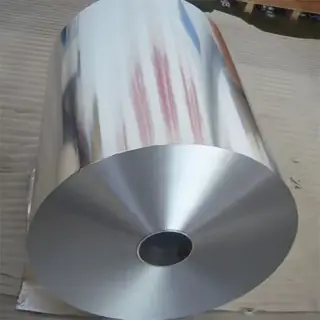
Household foil manufacturers usually purchase aluminum foil in jumbo roll form before converting it into smaller retail rolls.
Therefore, aluminum foil jumbo rolls are an important part of seasonal planning.
Buying too late can create production pressure. Buying too much can tie up working capital and warehouse space.
The right purchasing quantity depends on expected sales, current inventory, supplier lead time, shipping time, and cash flow.
2. Rewinding Capacity
Jumbo rolls need to be slit and rewound into the required household sizes.
If seasonal orders increase significantly, available rewinding capacity becomes important.
For example, a factory may have enough aluminum foil raw material but still struggle to meet orders if its converting equipment cannot process the required volume in time.
Manufacturers should therefore look at the complete production capacity rather than raw material inventory alone.
3. Packaging Materials
Finished household foil needs packaging before it can be shipped to customers.
Depending on the product, this may include:
Paper cores
Printed color boxes
Cartons
Labels
Shrink film or other outer packaging
These materials should be planned together with the aluminum foil.
A shortage of packaging materials can stop production just as effectively as a shortage of raw material.
4. Production Scheduling
Seasonal production should normally be scheduled before the peak period.
A simple planning flow is:
Raw Material → Rewinding → Packaging → Cartoning → Warehouse → Shipping
The objective is to make sure each stage can support the expected seasonal volume.
This becomes particularly important when a factory serves multiple customers with different delivery dates.
How Buyers Can Prepare for Seasonal Household Foil Demand?
Distributors, wholesalers, and importers also need to plan ahead.
A practical starting point is to review historical sales data.
Look at:
Average weekly sales
Sales during previous BBQ seasons
Thanksgiving orders
Christmas and New Year sales
Customer reorder frequency
Supplier lead times
Shipping times
This information can help buyers estimate how much inventory they may n
Have a project like this?
We source the machinery, audit the factory and inspect the goods before they ship.
Ask a question Email usMore on Business & Investment
- Global Demand Analysis: Top 10 Aluminum Container Import Countries
- Analysis of Failed Aluminum Foil Container Business Investments: 5 Costly Mistakes to Avoid
- The Complete Guide to Starting an Aluminum Foil Container Manufacturing Business: From Investment to Profit
- How a Sourcing Agent Can Help Your Business Grow?
Related equipment and products
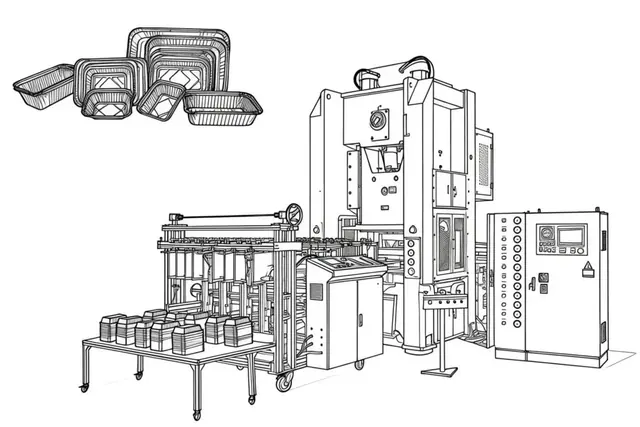
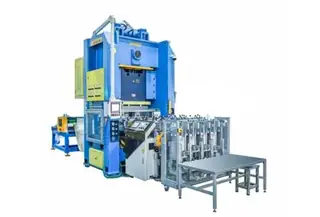
Aluminum Foil Container Making Machine
High-speed press line that converts aluminum foil jumbo rolls into finished food containers automatically.
View details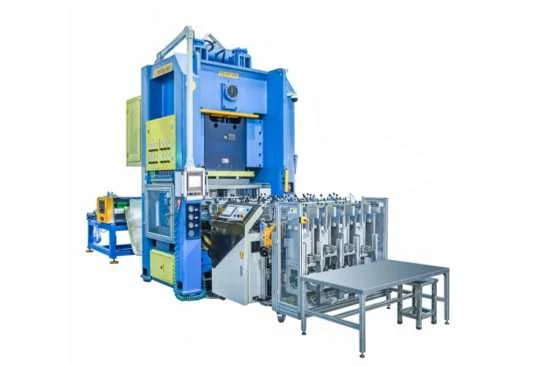
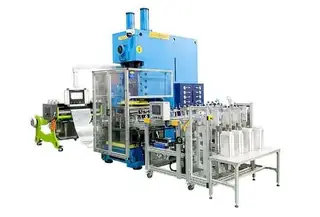
C-Frame Foil Container Machine
C-frame press configuration for aluminum foil container forming, with open access on three sides.
View details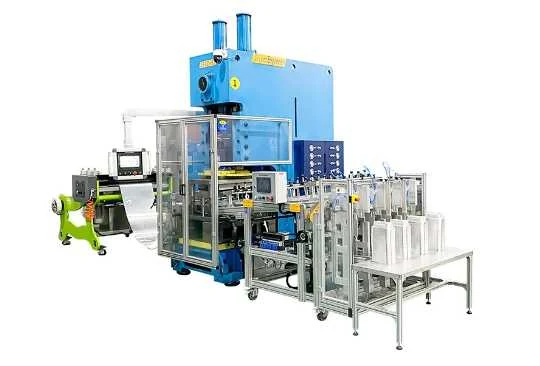
H-Frame Foil Container Press
Closed H-frame press built for heavier, higher-tonnage aluminum foil container forming.
View detailsTurn this into a project
Send us your target product and market. We come back with the factory shortlist and what it costs to verify them.