

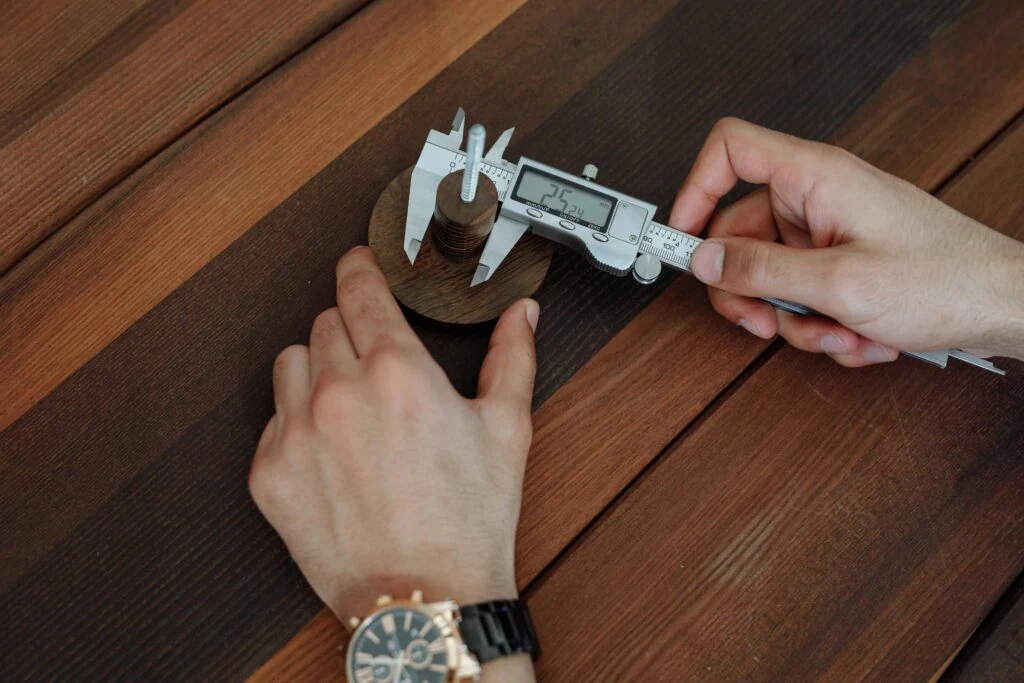
Analysis of Failed Aluminum Foil Container Business Investments: 5 Costly Mistakes to Avoid
Investing in an aluminum foil container business? Avoid these 5 critical aluminum foil container business mistakes in mold design, machinery, raw materials, and ROI that destroy profitability.
On paper, the opportunity looks attractive. Demand continues to rise, raw materials are widely available, and aluminum foil containers are considered environmentally friendly packaging solutions.
However, not every aluminum foil container project becomes successful.
Throughout my years working with aluminum foil container manufacturing equipment, molds, and production lines, I have seen many investors lose money because of avoidable mistakes. Some projects survived after costly corrections, while others were forced to shut down entirely.
In this article, I will share five real-world lessons based on customer experiences from India, Lebanon, Malaysia, the UAE, and other markets. My goal is simple: help future investors avoid the same costly mistakes and build a profitable aluminum foil container business.
Main Content:
Choosing the Wrong Mold Can Ruin the Entire Project
Buying Cheap Machines Instead of Reliable Production Lines
A Small Raw Material Purchasing Error Caused Massive Losses
Insufficient Spare Parts Preparation Leads to Costly Downtime
Ignoring ROI and Producing Unprofitable Products
1. Choosing the Wrong Mold Can Ruin the Entire Project
Many new investors focus heavily on the aluminum foil container machine while overlooking the importance of the mold.
In reality, the mold is one of the most critical factors in aluminum foil container manufacturing.
I have worked with customers from India, Lebanon, and Malaysia who experienced serious losses because their molds failed to meet production requirements.
Common Mold Problems
The most common issues include:
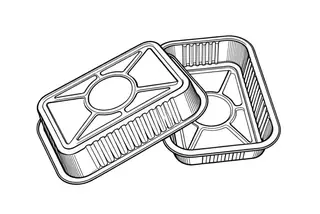
Weak mold structure,causing detachment during the stamping process
Poor embossing patterns on the container bottom
Unsatisfactory product appearance
Weak container rims
Product volume is insufficient and lead to frequent replacement of mold components
Wrong decison on the foil thickness
One customer discovered that the bottom pattern of his container looked significantly different from competitor products. End users complained about the strength, forcing him to redesign and remanufacture the embossing pattern of the mold.
Another customer found that the container rim lacked sufficient strength.After the product was manufactured, during its usage, it became softer more easily compared to similar products. Later, it was discovered that widening the rim was necessary to increase its strength,but it result in continuous maintenance costs on the mold.
Perhaps the most expensive mistake occurs when the mold is designed only for thick aluminum foil material.
Why Mold Design Directly Impacts Profitability
Many successful manufacturers reduce production costs by using thinner foil while maintaining acceptable product strength.
For example:
Factory A produces a container using 35 micron foil on UAE 8342
Factory B produces the same container using 30 micron foil.
Over millions of containers, the raw material savings become substantial.
If your mold cannot run thinner foil material, your production costs may remain permanently higher than your competitors'.
Before investing in an aluminum foil container mold, always evaluate:
Product thickness range
Product appearance
Product weight compared with other competitors
Increase product stength method
Estimated foil width
Availability of replacement parts
During single-cavity mold testing, you must ask the supplier to send samples for acceptance inspection. Only release the final payment after the samples are approved. Be sure to communicate with your own buyers to confirm whether the samples are suitable for mass production. If there are any issues, it is always better to resolve them at the supplier's factory than after the mold has been shipped to your country.
2. Buying Cheap Machines Instead of Reliable Production Lines
One of the most memorable cases I encountered involved a customer in India.
Like many first-time investors, he wanted to minimize his initial investment. Instead of purchasing a proven aluminum foil container production line, he bought a low-cost machine from a local supplier.
At first, the decision seemed reasonable.
Unfortunately, production reality told a different story.
The Hidden Cost of Cheap Equipment
The machine experienced frequent problems:
Unstable feeding
Production stoppages
Poor product consistency
Electrical failures
Excessive maintenance requirements
Every breakdown meant lost production time.
Every day of downtime meant missed customer orders.
While competitors expanded their market share, he struggled just to keep the machine running.
The most unfortunate part was timing.
The local aluminum foil container market was growing rapidly, and demand was increasing every month. Instead of taking advantage of this golden growth period, he spent most of his time dealing with equipment problems.
Eventually, he made a difficult decision.
He mortgaged his house, purchased a Chinese production line, and finally achieved stable production.
Why Machine Reliability Matters
When evaluating an aluminum foil container machine, investors should consider:
Production stability
Automation level
Spare parts availability
Technical support
Maintenance costs
Long-term operating efficiency
The purchase price is only one part of the project.
So when evaluating an aluminum foil container production line , calculate total cost of ownership over 3–5 years, not just the purchase price. Factor in downtime costs (missed orders, late penalties), spare parts expenses, and the labor required to keep the machine running. A machine that costs 30% more but runs twice as reliably is actually far cheaper in the long run.
3. A Small Raw Material Purchasing Error Caused Massive Losses
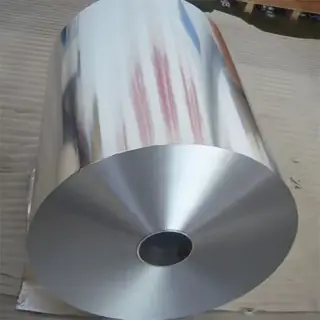
Aluminum foil raw material is not a commodity you can casually order. The specifications are extremely precise, and a tiny error can make an entire container load unusable.
A Single Decimal Point Cost This Customer $40,000
A client in Mid East had been running his aluminum foil container manufacturing operation successfully for six months. Then his purchasing assistant placed an order for new foil material.
The specification required 0.105mm thickness for a fish plate (105 microns). The assistant accidentally typed 0.015mm.
The supplier delivered exactly what was ordered. When the container arrived, the client discovered he now had 20 tons of foil that was too thick to run through his press machines. The material couldn't be returned because the order was technically correct. He had to sell it at a massive discount to a different industry and reorder the correct specification-losing over $40,000 in total.
Critical Raw Material Parameters You Must Verify
Thickness (microns)
Even 2–3 microns difference changes forming behavior and cost per unit.
Alloy type
8011, 3003, and 8006 alloys all perform differently for container forming.
Width
Must match your mold layout exactly, including edge trim allowance and material tolerance.
How to Avoid This Mistake
Never let a junior employee place a aluminum foil raw material order without a mandatory double-check system. Create a written specification sheet that requires two signatures before any purchase order is sent. If you're new to the aluminum foil container business , have an experienced technical person verify your material requirements before you buy even one roll.
Also, order a sample roll (100–200 kg) before committing to a full container load. Run it on your production line and inspect every quality parameter. The sample cost is negligible compared to the cost of a wrong full container.
4. Insufficient Spare Parts Preparation Leads to Costly Downtime
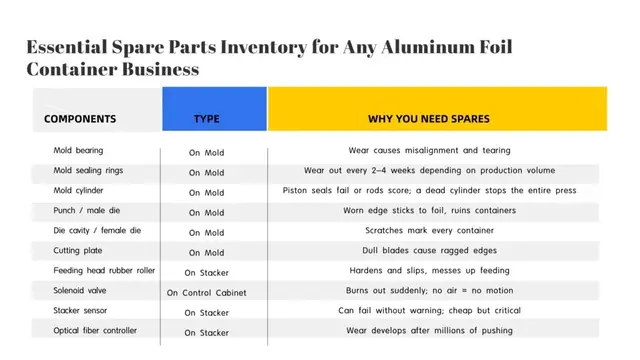
Every production line wears down. Seals dry out, sensors fail, blades dull, springs lose tension. The difference between a profitable aluminum foil container factory and a struggling one often comes down to how quickly you can replace a $5 part.
The Hidden Cost of a Missing Spares
I visited a factory in the UAE where a single failed optical sensor had shut down the entire production line for six days. The sensor cost $18. But the customer had no spare in stock. Ordering from China took five days more, plus shipping. During that time, the factory produced nothing-but still paid rent, salaries, and overhead.
They lost over $8,000 in potential revenue. All because of an $18 spare part.
When you purchase your aluminum foil container production line, ask the supplier for a recommended spare parts list for the first 12 months of operation. Buy those parts upfront-even if it adds 10-15% to your initial investment. Then establish a simple inventory tracking system. Every time you use a spare, order a replacement immediately so you never run out.
Successful operators treat spare parts as an operating expense
Have a project like this?
We source the machinery, audit the factory and inspect the goods before they ship.
Ask a question Email usMore on Business & Investment
Related equipment and products
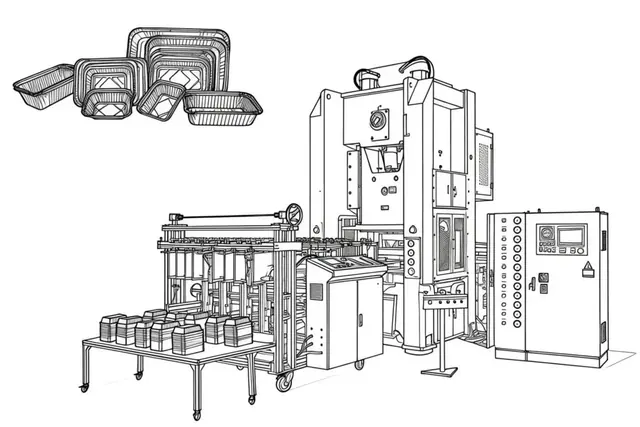
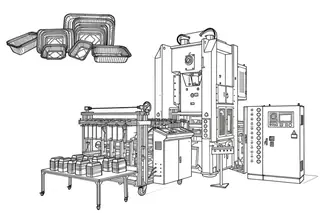
Aluminum Foil Container Making Machine
High-speed press line that converts aluminum foil jumbo rolls into finished food containers automatically.
View details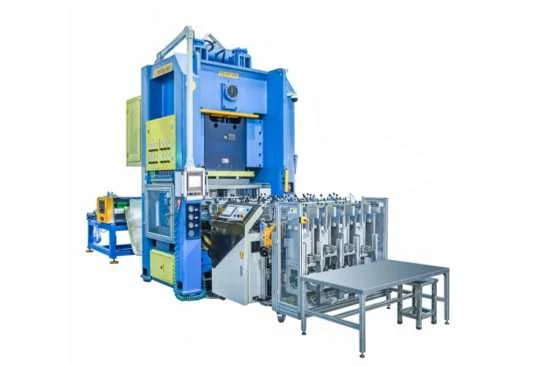
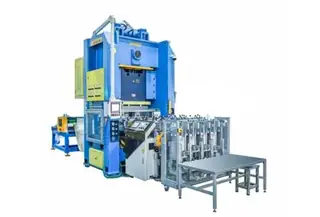
C-Frame Foil Container Machine
C-frame press configuration for aluminum foil container forming, with open access on three sides.
View details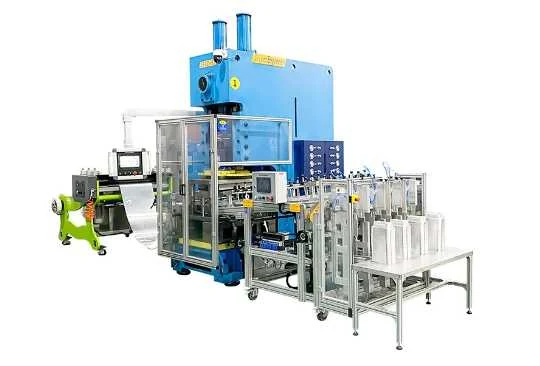
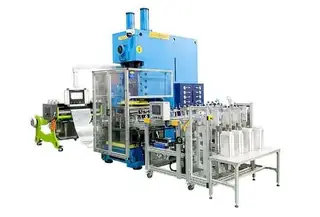
H-Frame Foil Container Press
Closed H-frame press built for heavier, higher-tonnage aluminum foil container forming.
View detailsTurn this into a project
Send us your target product and market. We come back with the factory shortlist and what it costs to verify them.