Jinan Weihua Machinery & Equipment Co., Ltd · Jinan Shandong China
Large format glass laser sandblasting machine in workshop
Laser Marking Machines

Glass Laser Sandblasting Machine

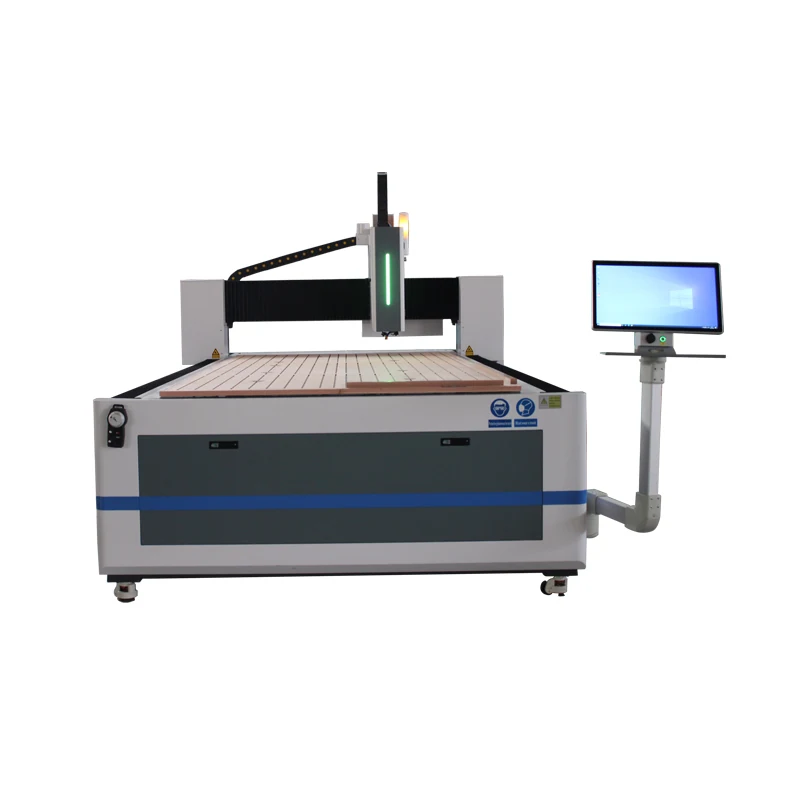
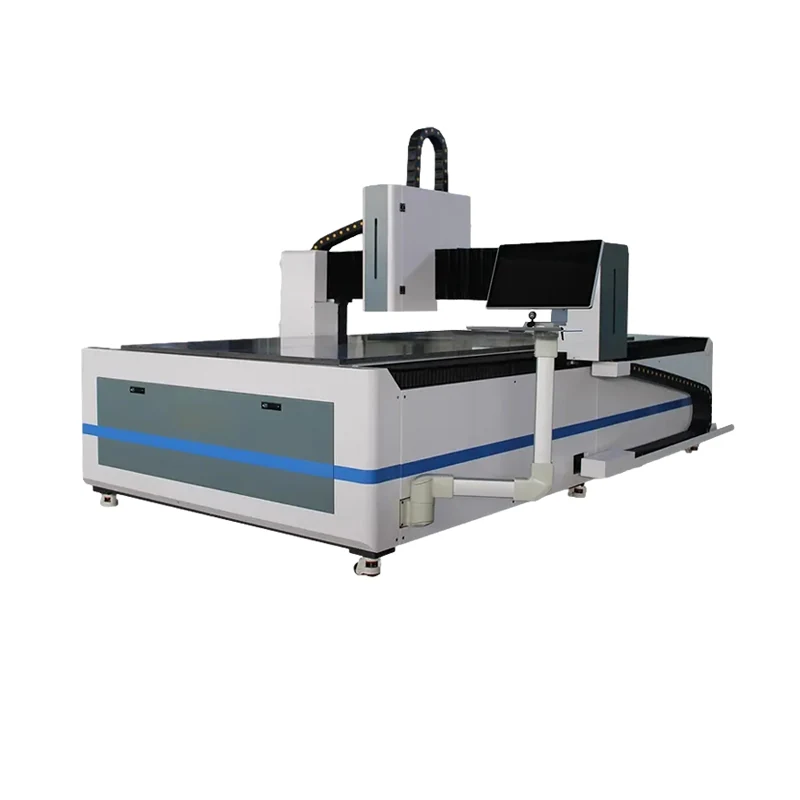
The WH-F1325 and WH-F1530 are large-format fiber laser sandblasting machines designed for paint and mirror removal on glass, as well as surface marking on metals and plastics.

Product Overview

What This Machine Is Built To Do

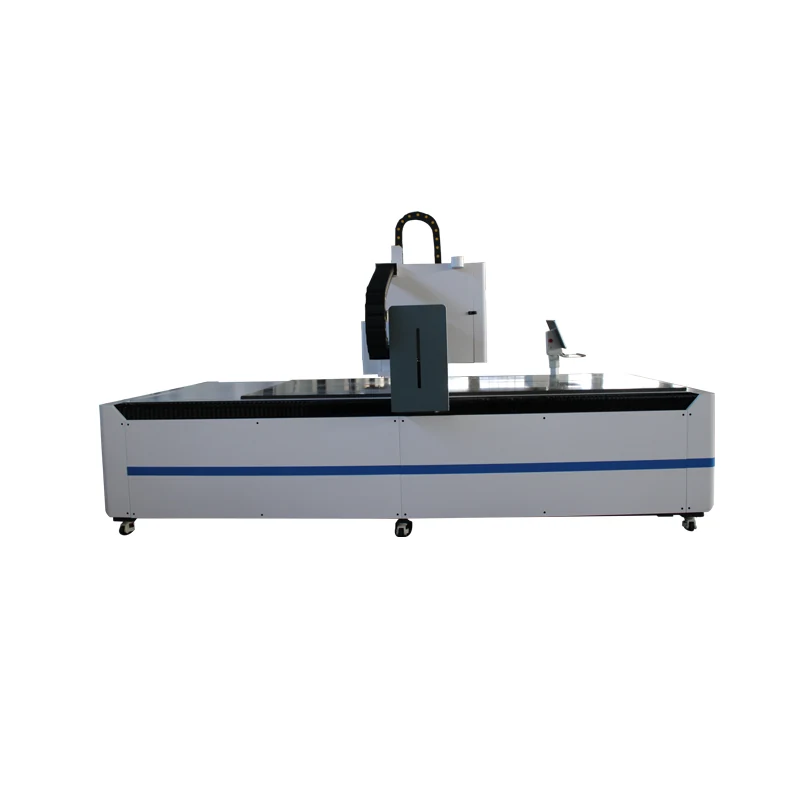
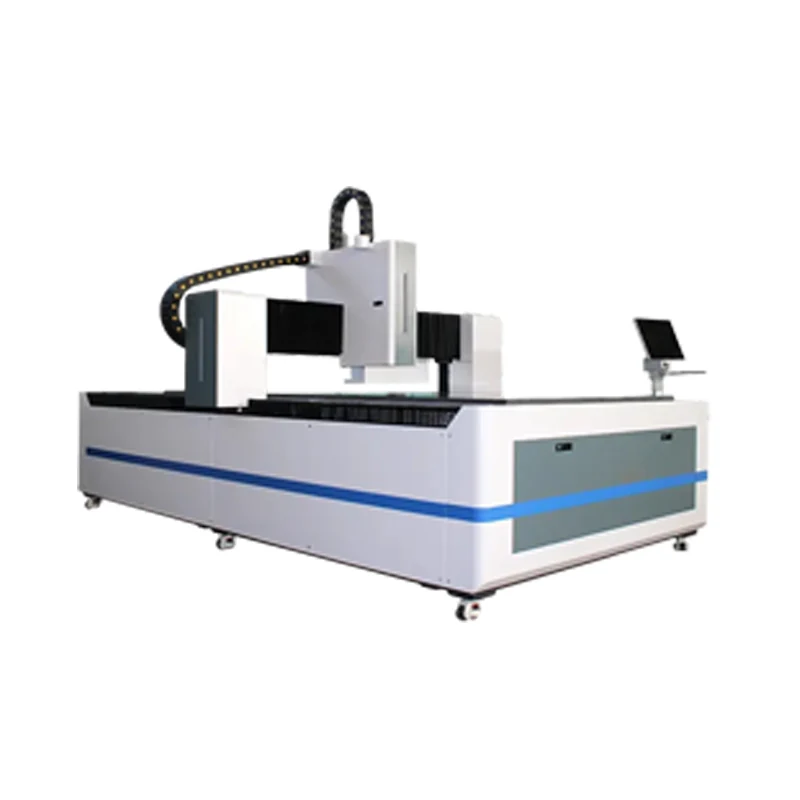
The WH-F1325 and WH-F1530 are large-format fiber laser sandblasting machines designed for paint and mirror removal on glass, as well as surface marking on metals and plastics. With a working area up to 1500 x 3000 mm and a JPT fiber laser source ranging from 50 W to 200 W, these machines use splicing engraving technology to mark large designs seamlessly. The gantry structure is built on a stress-relieved welded frame with HIWIN linear guides and servo motion, ensuring stability during high-speed marking at up to 7000 mm/s. The Z-axis lifts up to 150 mm, allowing the machine to process plates of varying thicknesses without re-calibration. It is engineered for glass processors and fabricators who need to remove coatings or mark large sheets without the mess and consumables of traditional sandblasting.
  • Splicing engraving technology allows marking of patterns larger than the standard 200 x 200 mm field
  • JPT fiber laser source offers a service life of 80,000 to 100,000 hours with low power consumption
  • 150 mm adjustable Z-axis accommodates plates of varying thicknesses and materials
  • High-speed marking up to 7000 mm/s reduces cycle time for large glass sheets
  • Stress-relieved welded gantry frame prevents deformation over long production runs
  • Air cooling system eliminates the need for water chillers and associated maintenance
Where It Is Used

Application Scenarios

  • Architectural glass manufacturers removing paint or mirror coatings from large panels
  • Furniture glass producers marking decorative patterns on tempered or laminated glass
  • Automotive glass suppliers performing precision sandblasting effects on windows
  • Signage workshops marking stainless steel or aluminum sheets for large displays
  • Industrial fabricators removing coatings from metal parts before welding or assembly
Buyer Fit

Who It Is For

  • Glass processors replacing chemical etching or mechanical sandblasting with laser methods
  • Machine dealers needing a large-format marking solution for architectural and automotive clients
  • Sheet metal fabricators requiring high-speed surface marking on stainless or aluminum
  • Workshops with limited space that need a gantry system to handle 1500 x 3000 mm sheets
Process Problems

Problems It Solves

  • Traditional sandblasting creates dust and requires consumables like sand and abrasives
  • Small-field laser markers cannot handle large architectural glass panels without complex fixturing
  • Manual focus adjustment wastes time when switching between different glass thicknesses
  • Heavy gantry structures can deform over time, leading to inconsistent marking depth
  • Water-cooled systems require maintenance and can freeze in cold environments
Engineering

Technical Features

  • JPT fiber laser source with beam quality M2 < 1.2 and power stability <=1% rms
  • Gantry structure with high-strength welded frame and overall stress relief treatment
  • HIWIN linear guides and high-precision servo motor transmission mechanism
  • Z-axis lift up to 150 mm for processing plates with varying thicknesses
  • Splicing engraving technology for marking patterns larger than the single field
  • Air cooling method for reduced maintenance and lower power consumption
Specifications

Published Figures For Glass Laser Sandblasting Machine

Every value below is taken from the machine data sheet. Where a range is given the exact figure depends on the model and power you order.

ModelWH-F1325 / WH-F1530
Working Area1300 x 2500 mm / 1500 x 3000 mm
Laser Power50W / 60W / 80W / 100W / 200W
Laser Source Lifetime80000-100000 hours
Laser Wavelength1064nm
Marking Scope100*100-200*200mm (Splicing engraving)
Power Stability (Average)<=1%rms
Power Stability (Peak)<=5%rms
Frequency Range20Hz-2000Hz
Beam QualityM2<1.2
Working Focal Length163±2mm (110*110MM) / 295±2mm (215*215mm)
Marking Line Speed<=7000mm/s
Z-Axis LiftUp to 150mm
Control SwitchFrance Schneider Electric
Guide BrandTaiwan HIWIN
Electronic Control SystemTaiwan MEAN WELL
Cooling MethodAir cooling
Power SupplyAC190-240V, 50-60Hz
Working Environment+5-35°C, relative humidity 30-60%
Materials

Materials It Handles

  • Glass (architectural, automotive, furniture, art, decorative, cabinet)
  • Stainless steel
  • Aluminum oxide
  • Copper
  • Various alloy materials
  • Most plastics
Working Process

From File To Finished Part

Import DXF or PLT design files into the control software

Load the glass or metal sheet onto the machine bed

Adjust the Z-axis to match the material thickness

Select the appropriate laser power and frequency for the material

Run the splicing engraving cycle to mark or remove coatings

Inspect the marked area and unload the finished piece

Quality Control

Quality Control Before Shipment

  • Gantry frame undergoes overall stress relief treatment to prevent deformation
  • Power stability is maintained at <=1% rms for average power
  • Beam quality is controlled to M2 < 1.2 for precise marking
  • HIWIN linear guides and servo motors ensure high installation accuracy
Options

Customisation Options

  • Choose laser power from 50W to 200W based on application depth
  • Select working area of 1300 x 2500 mm or 1500 x 3000 mm
  • Software supports AutoCAD, CorelDRAW, Type3, Engraving Master, and Wentai
  • Operating system compatibility with Windows XP and Win7 32-bit
Comparison

How It Compares With The Alternatives

Traditional sandblastingLaser sandblasting is cleaner with no consumables and higher precision, but has a higher initial equipment cost
Small-field laser markersThis machine handles large sheets up to 1500 x 3000 mm using splicing, whereas small-field markers require complex fixturing for large parts
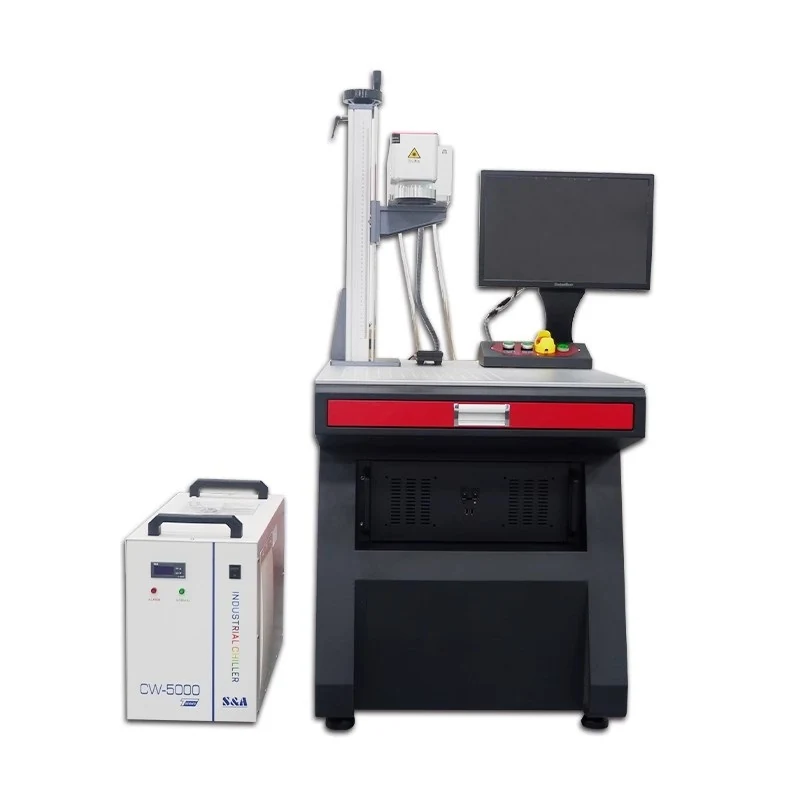
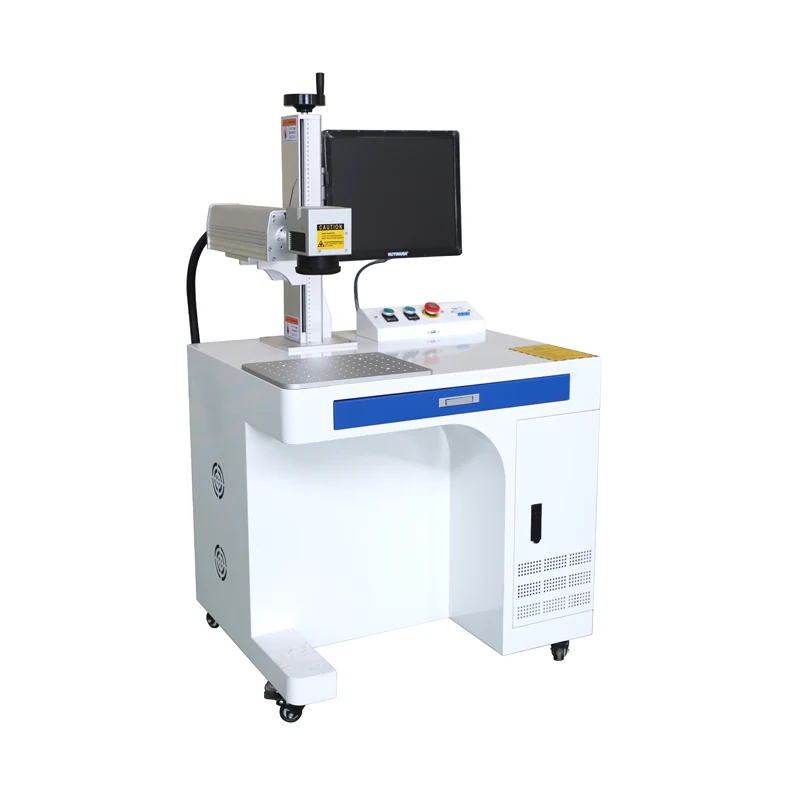
CO2 laser markersFiber lasers are better suited for metal marking and glass coating removal, while CO2 is typically used for non-metals like wood or acrylic
Operating Notes

Use Guide

  • Ensure the working environment is between +5-35°C with humidity 30-60%
  • Use the adjustable Z-axis to maintain focus for materials of different thicknesses
  • Select the correct frequency range (20Hz-2000Hz) for the desired marking depth
  • Keep the air cooling vents clear of dust to prevent laser source overheating
  • Use splicing engraving software settings to align large patterns across the field
Buyer Questions

Glass Laser Sandblasting Machine FAQ

What is the maximum working area?
The machine is available in two models: WH-F1325 with a 1300 x 2500 mm area and WH-F1530 with a 1500 x 3000 mm area.
Can this machine mark large patterns?
Yes, it uses splicing engraving technology to mark patterns larger than the standard 100 x 100 mm to 200 x 200 mm field.
What materials can be processed?
It is suitable for glass, stainless steel, aluminum oxide, copper, various alloys, and most plastics.
How long does the laser source last?
The JPT fiber laser source has a rated lifetime of 80,000 to 100,000 hours.
Does it require a water chiller?
No, the machine uses an air cooling method, which reduces maintenance and eliminates the need for water chillers.
What software formats are supported?
The system supports DXF and PLT formats and is compatible with AutoCAD, CorelDRAW, Type3, Engraving Master, and Wentai.

Related Machines

All machines

Ask For A Quote On The Glass Laser Sandblasting Machine

Send your material, thickness and daily output. We reply with the exact configuration, packing size and shipping route within 24 hours.