
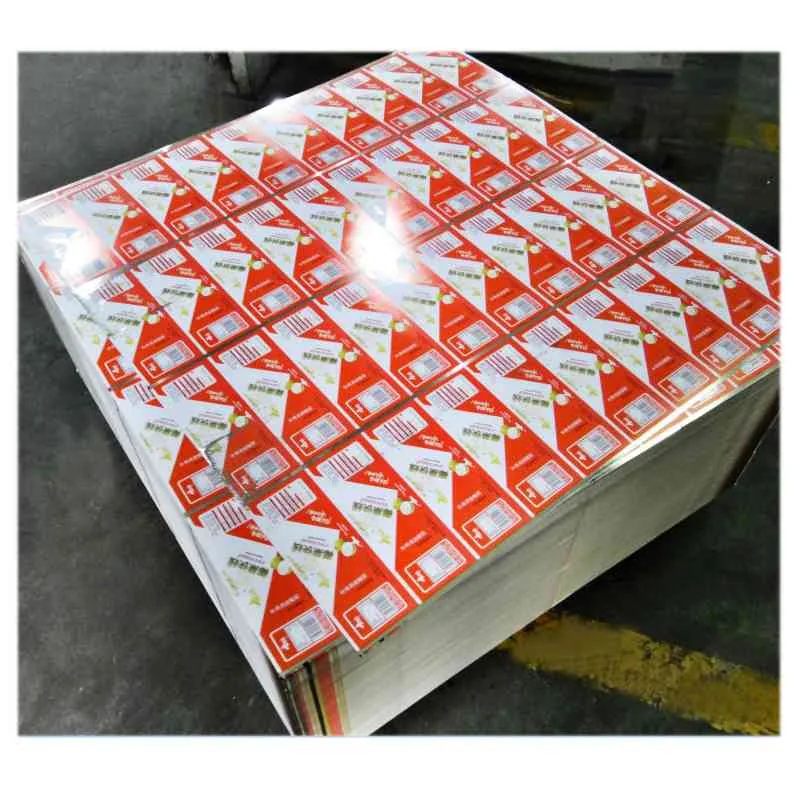
Coated Tinplate Sheet
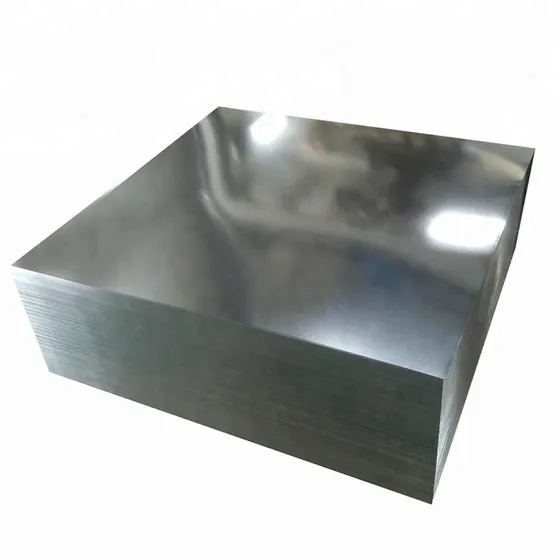
Coated tinplate sheet is a steel substrate with a thin layer of tin applied to both sides, providing corrosion resistance and a surface suitable for printing and forming. For buyers sourcing packaging materials, this means one supplier can deliver the base material for food cans, aerosol containers, and decorative packaging without splitting the order across a tin mill, a steel processor and a coating line. Jialu Met
- Tin coating on both sides provides uniform corrosion protection for food and chemical packaging
- Multiple surface finishes including bright, mirror, matte and color printing ready for direct printing
- Temper grades from T2 to DR8 allow selection for forming, drawing and deep-drawing applications
- Thickness range from 0.12 mm to 6.0 mm covers thin-walled cans and heavy-duty industrial packaging
Mill certificates issued against the ordered grade and standard. Third-party inspection available on request.
What This Material Is For
Coated tinplate sheet is a steel substrate with a thin layer of tin applied to both sides, providing corrosion resistance and a surface suitable for printing and forming. For buyers sourcing packaging materials, this means one supplier can deliver the base material for food cans, aerosol containers, and decorative packaging without splitting the order across a tin mill, a steel processor and a coating line. Jialu Metal stocks tinplate across multiple thicknesses, coatings, surface finishes and temper grades, so a project requiring 0.25 mm bright tinplate for tea cans and 0.45 mm mirror finish for gift packaging can be fulfilled on a single contract, one inspection and one shipment.
Why Buyers Choose It
- Tin coating on both sides provides uniform corrosion protection for food and chemical packaging
- Multiple surface finishes including bright, mirror, matte and color printing ready for direct printing
- Temper grades from T2 to DR8 allow selection for forming, drawing and deep-drawing applications
- Thickness range from 0.12 mm to 6.0 mm covers thin-walled cans and heavy-duty industrial packaging
- Custom coating and size options available without requiring a new production run
- Single-source supply for mixed packaging projects reduces inspection points and shipment dates
Where It Is Used
- Food can manufacturing using 0.25 mm to 0.45 mm tinplate in bright or mirror finish for tea, oil and canned goods
- Aerosol and chemical container production requiring 0.30 mm to 0.60 mm material with high formability and corrosion resistance
- Gift and promotional packaging using 0.20 mm to 0.50 mm tinplate with color printing surface for retail presentation
- Paint and chemical drum linings using 0.50 mm to 1.0 mm tinplate with high durability and chemical resistance
- High-volume packaging lines needing consistent material across multiple product types with minimal grade changeover
Who It Is For
- Packaging manufacturers producing food, beverage, chemical and aerosol cans
- Consumer goods brands sourcing consistent tinplate for branded packaging
- Industrial packaging suppliers requiring durable, printable material for drums and containers
- Export-focused converters who need one supplier for mixed packaging projects across different markets
Problems It Solves
- Splitting one packaging project across a tin mill, a steel processor and a coating line, which multiplies inspection visits and shipment dates
- Inconsistent material quality when sourcing from multiple mills with different coating thicknesses and surface finishes
- Delays caused by waiting for a second supplier to deliver a different temper or coating grade
- Lack of availability in specific coating thicknesses like 5.6/5.6 or 8.4/11.2 for high-performance applications
- Need for multiple purchase orders and invoices when one project requires both thin and thick gauge material
Technical Features
- Tin coating options include equal (1.4/1.4, 2.2/2.2, 5.6/5.6, 8.4/8.4, 11.2/11.2) and different (1.4/2.8, 2.8/5.6, 5.6/11.2) coating on each side
- Coating thickness range from 1.1 g/m² to 11.2 g/m², with custom options available
- Thickness range: 0.12 mm to 6.0 mm, suitable for both thin cans and heavy-duty packaging
- Width range: 600 mm to 1500 mm, with custom widths available
- Surface finishes: Bright, Stone, Silver, Matte, Mirror and Color Printing ready
- Temper grades: T2, T2.5, T3, T3.5, T4, T5, DR7, DR7M, DR8, BA and CA for forming and drawing applications
- Annealing methods: Continuous (CA) and Batch (BA) for controlled mechanical properties
Grades Standards And Size Range
Values below come from the published product data. Anything not listed is confirmed per enquiry.
| Product Standards | GB/T 2520-2000, JIS G3303-2002, DIN EN 10203-1991, ASTM A623M-2011 |
|---|---|
| Material Grades | MR, SPCC, SPCH |
| Tin Coating | Equal: 1.4/1.4, 2.2/2.2, 2.8/2.8, 5.6/5.6, 8.4/8.4, 11.2/11.2; Different: 1.4/2.8, 2.2/2.8, 2.8/5.6, 2.8/8.4, 2.8/11.2, 5.6/8.4, 5.6/11.2, 8.4/11.2 |
| Coating Thickness Range | 1.1 g/m² to 11.2 g/m² |
| Thickness Range | 0.12 mm to 6.0 mm |
| Width Range | 600 mm to 1500 mm |
| Surface Finishes | Bright, Stone, Silver, Matte, Mirror, Color Printing |
| Temper Grades | T2, T2.5, T3, T3.5, T4, T5, DR7, DR7M, DR8, BA, CA |
| Annealing Methods | CA (Continuous), BA (Batch) |
Materials
- MR grade steel for general packaging applications with moderate formability
- SPCC steel for standard can body and lid production with good drawing and stamping performance
- SPCH steel for deep-drawing applications requiring higher ductility and strain hardening
- Tin-coated steel substrate for corrosion resistance and printable surface in food and chemical packaging
Manufacturing Route
Quality Control
- Chemical composition and mechanical property checks against ordered material grade
- Tin coating thickness measured by X-ray fluorescence or weight method
- Surface finish inspected under controlled lighting for defects and uniformity
- In-house laboratory with CNAS certification performs routine testing
- Third-party inspection available on request before shipment
- Mill certificates issued per purchase order against specified standard and grade
Customisation Options
- Custom tin coating thickness and ratio (equal or different) available upon request
- Custom thickness and width outside standard range can be produced
- Custom surface finish and temper grade selected per application
- OEM service accepted with private labeling and packaging
- Packing and marking arranged to suit destination port and inspection regime
How It Compares With The Alternatives
| Galvanized steel sheet | Galvanized steel has higher corrosion resistance in outdoor environments but lacks the food-safe surface and printability of tinplate, making it unsuitable for food and beverage packaging |
|---|---|
| Aluminum foil laminate | Aluminum foil offers lighter weight and better barrier properties but is more expensive and less formable than tinplate for deep-drawing applications |
| Untreated steel sheet | Untreated steel lacks corrosion resistance and requires additional coating or lining; tinplate provides a ready-to-use, food-safe surface |
Buying Guide
- Start with the application type (e.g., food can, aerosol, gift packaging) to determine required thickness, coating and surface finish
- Specify the coating thickness and ratio (equal or different) to match the product’s durability and cost requirements
- Choose temper grade based on forming method: DR7/DR7M for deep drawing, T2–T4 for simple forming
- Send the size table with the enquiry, as availability varies by thickness, width and coating
- Request third-party inspection at order stage to avoid delays after shipment
Questions About Coated Tinplate Sheet
What standards do you supply tinplate to?
GB/T 2520-2000, JIS G3303-2002, DIN EN 10203-1991, and ASTM A623M-2011
Can you supply different tin coating on each side?
Yes. We offer different coating options such as 1.4/2.8, 2.8/5.6, 5.6/11.2, and others upon request
What thickness and width ranges do you cover?
Thickness: 0.12 mm to 6.0 mm; Width: 600 mm to 1500 mm. Custom sizes are available
Do you offer custom surface finishes?
Yes. We provide Bright, Stone, Silver, Matte, Mirror, and Color Printing ready finishes
Can one order include different coating thicknesses or grades?
Yes. Mixed specifications on one order are standard practice here, which is why buyers consolidate with us
What payment terms and currencies do you accept?
L/C, T/T, PayPal, and credit card, in USD, CAD, AUD, SGD, EUR, or RMB
Others Buy These On The Same Order
Industries Solutions And Guides
Get Coated Tinplate Sheet Quoted
Send the grade, size and quantity. Availability, price and lead time come back per line item.