Plan for No Resupply
The defining constraint on a marine kit is that nothing can be added once you leave. That changes the buying logic: quantity of the items most likely to be used, redundancy on the items whose failure is unrecoverable, and nothing that depends on a battery you cannot replace at sea.
Corrosion Is the Real Enemy
Salt air attacks hinges, latches, metal instruments and anything that was specified for indoor use. Wall-mounted cases for cabins and bridges should be rated for the environment they are fixed into, and metal items kept in sealed compartments. Equipment that is merely water-resistant will still degrade in continuous salt exposure.
Rescue Visibility Belongs in the Kit
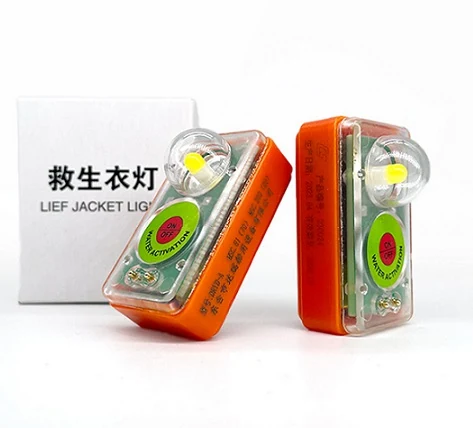
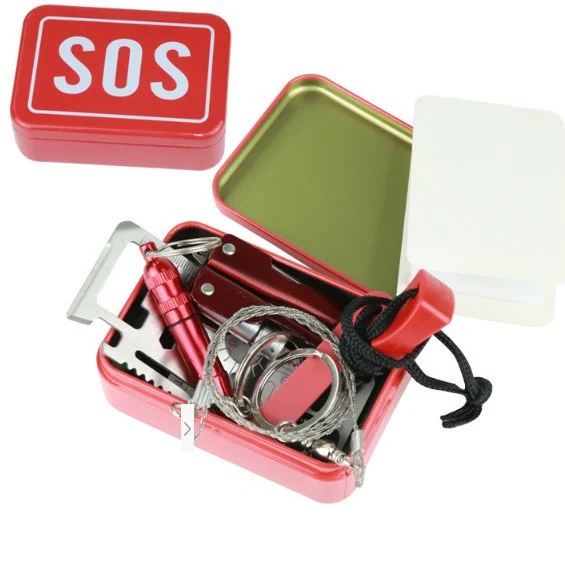
Marine emergencies are frequently a visibility problem before they are a medical one. Life jacket lights that activate automatically on immersion, whistles and signalling items do more for survival odds than an additional dressing. Fit the light to the jacket at the dock rather than storing it loose in the kit.
Keep a Backup Way to Navigate
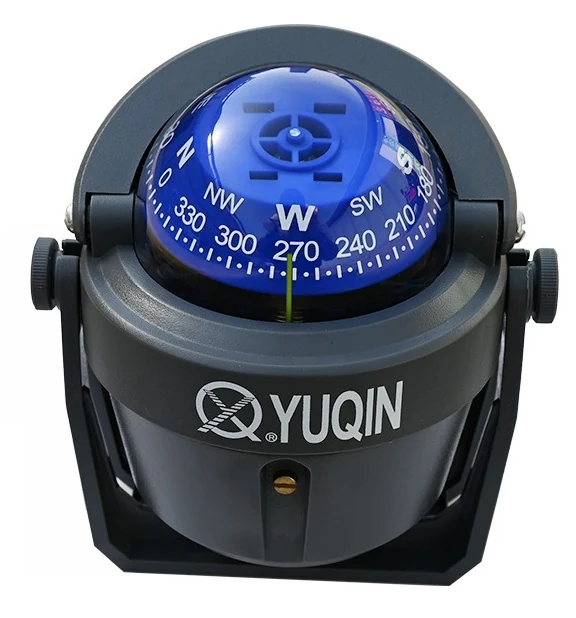
Electronic navigation fails with the electrical system. A magnetic compass mounted on the dashboard, deck or cockpit costs little, needs no power and is the difference between a delay and an emergency. Treat it as safety equipment rather than as an instrument.
Think About Immersion and Heat Loss
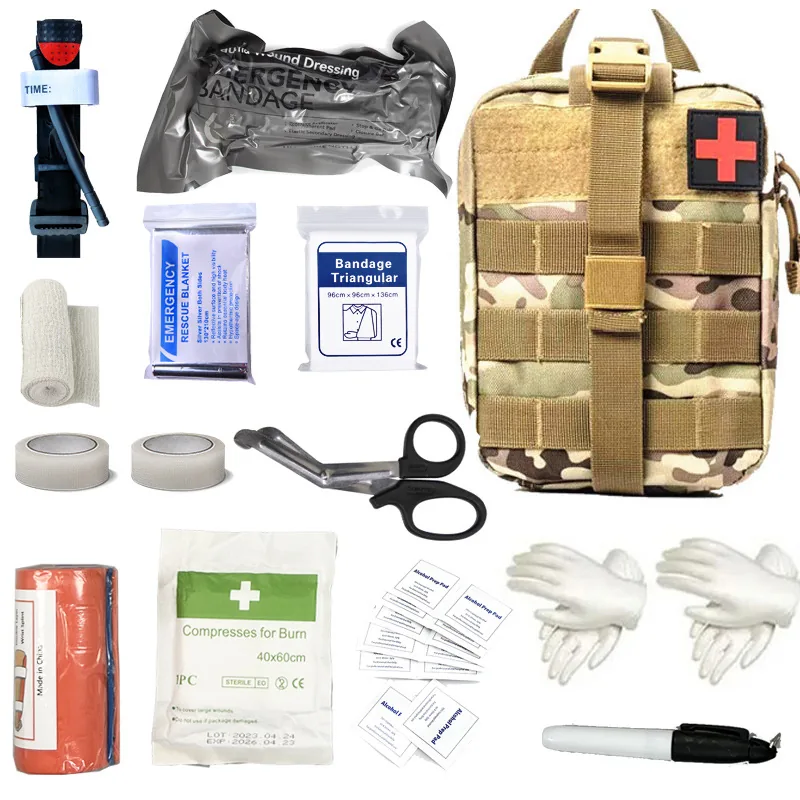
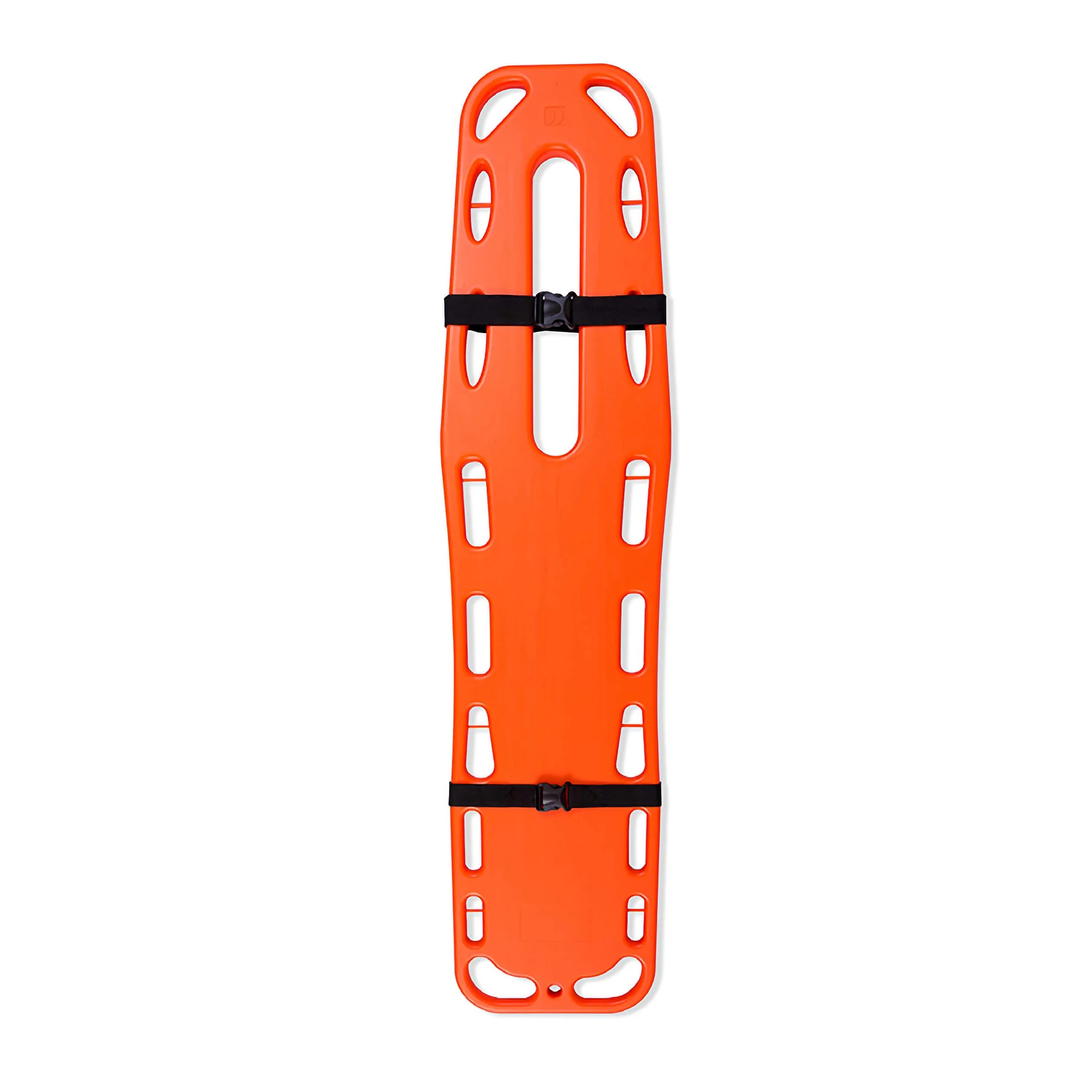
Anyone recovered from the water is losing heat fast. Survival blankets that reflect body heat pack down small enough to keep several on board. Swimming floats and water rescue aids should be stowed where they can be thrown, not where they have to be unpacked.