Start With the Mounting Point Not the Contents
A kit that lives on a wall, a kit that lives in a vehicle and a kit that lives in a backpack are three different products even when the contents overlap. Wall-mounted cases are sized to be seen and opened in place. Hard cases are built to survive being thrown into a truck bed and rained on. Soft and compact kits trade protection for the ability to go where the work goes. Decide where the kit will physically live before comparing what is inside it.
Case Construction Decides the Service Life
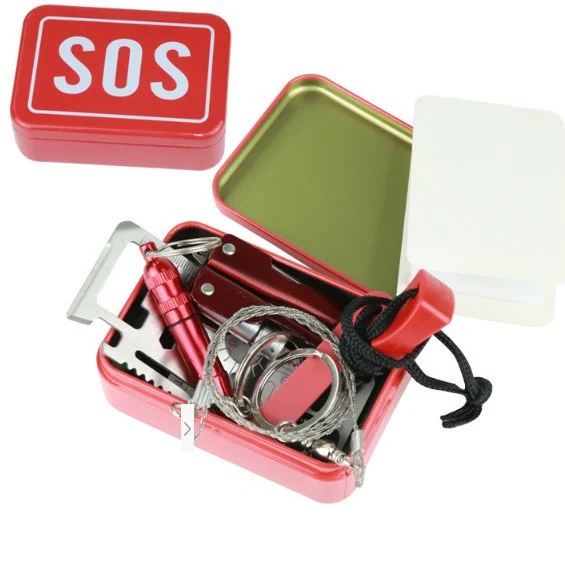
The failure mode for a workplace kit is rarely the dressings. It is a hinge that snaps, a latch that stops closing, or moisture that gets in and ruins everything sterile. Shockproof and water-resistant hard shells are worth the extra cost anywhere the kit is exposed to vehicles, weather or industrial dust. Indoor wall-mounted units can trade that away for faster access.
Compartment Layout Is an Audit Tool
Clearly labelled compartments do two jobs. Under pressure they let a responder find the right item without emptying the case. In a routine audit they let a safety officer see at a glance what has been used, which is the difference between a two-minute check and a stock count nobody does. Kits without internal organisation get audited less often and therefore fail more often.
Plan the Refill Before the First Use
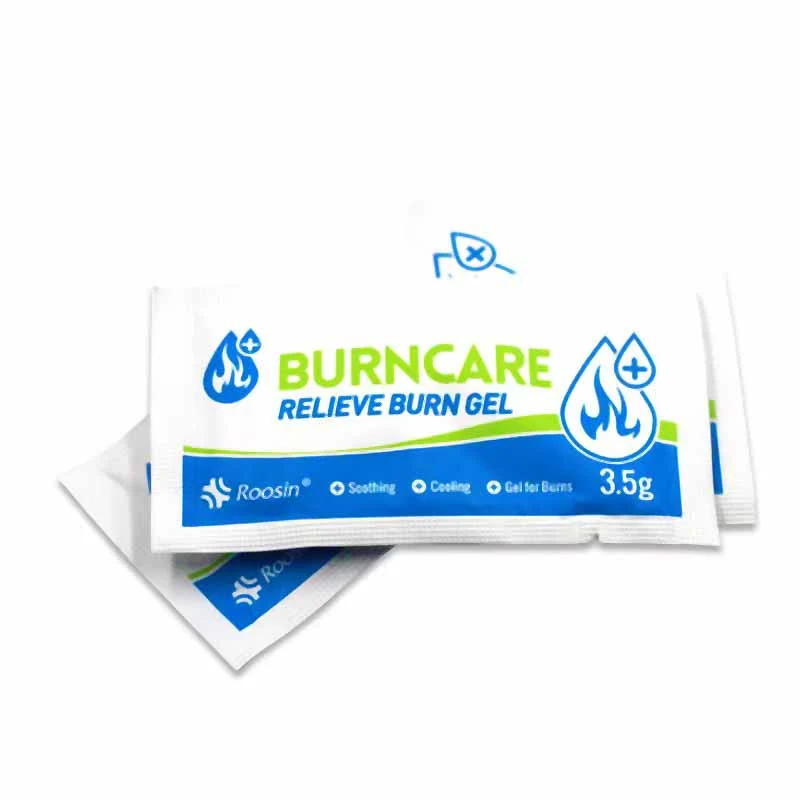
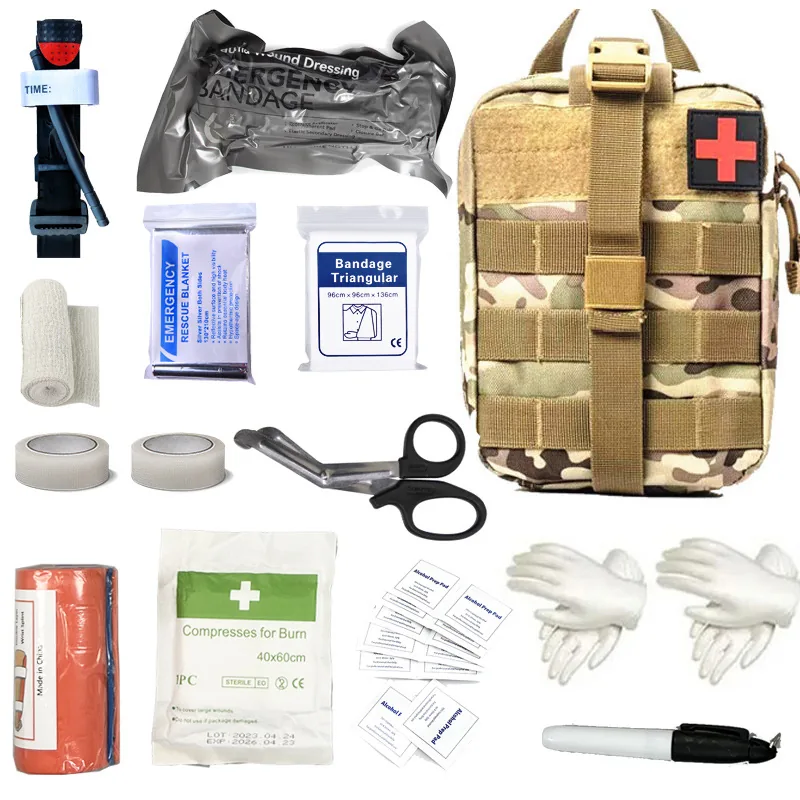
Consumables are the part that runs out: dressings, antiseptic prep pads, alcohol pads, tape, instant cold packs. Buying refill components from the same source as the kit keeps formats and sizes consistent across a site, so a refill actually fits the compartment it is meant for. If you are issuing more than a handful of kits, order the first round of refills with the kits themselves.
Match Trauma Items to the Actual Hazard
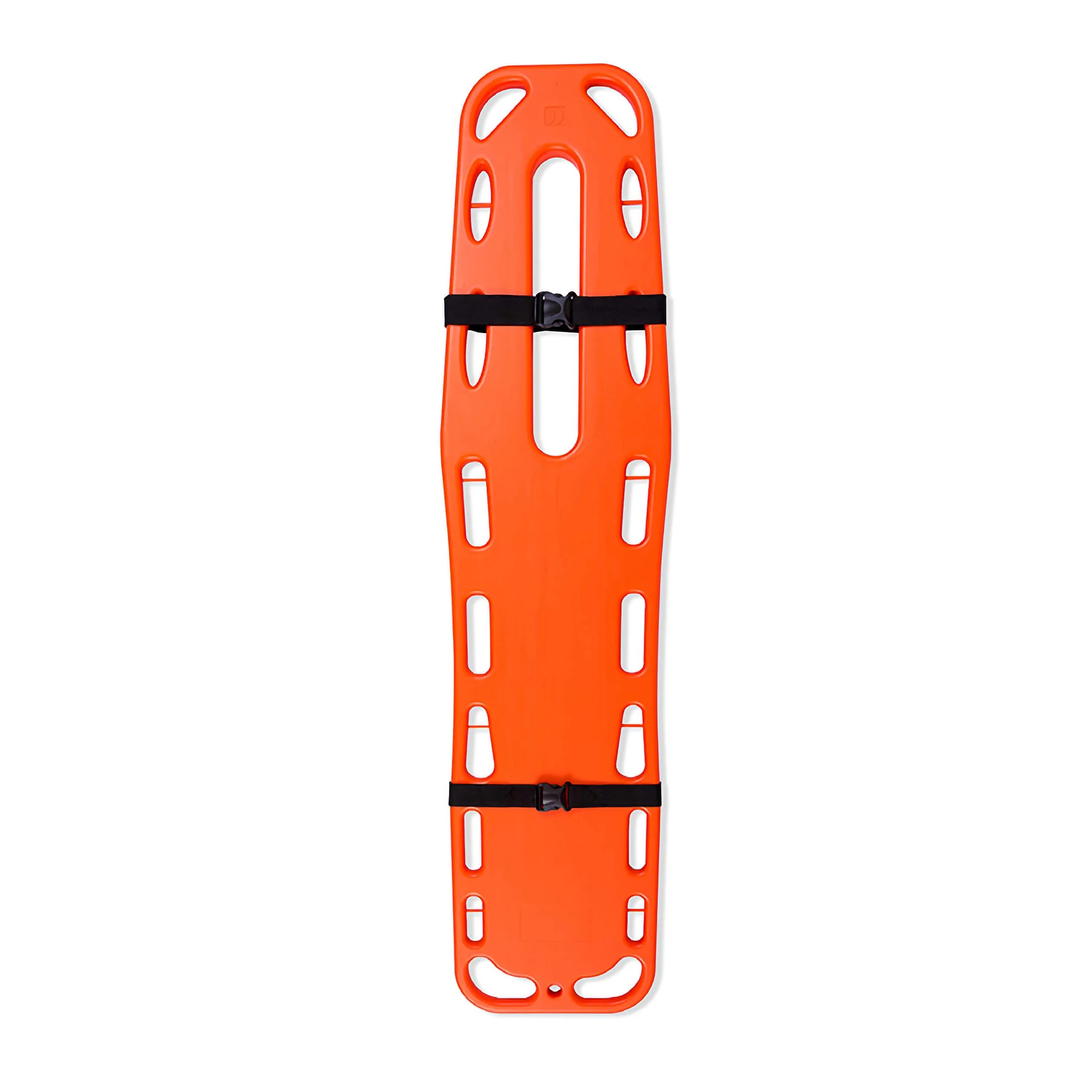
A workshop with cutting and machinery risk needs tourniquets and trauma dressings that an office kit does not. A site with fall risk needs immobilisation equipment within reach, not in a store room. Read the hazard assessment you already have and buy against it rather than against a generic checklist.