Why the Type Matters
A tourniquet is a single-purpose device that has to work first time, applied by someone who is frightened and possibly injured. The difference between designs is not quality, it is how much skill and how many hands the design assumes.
Windlass Tourniquets
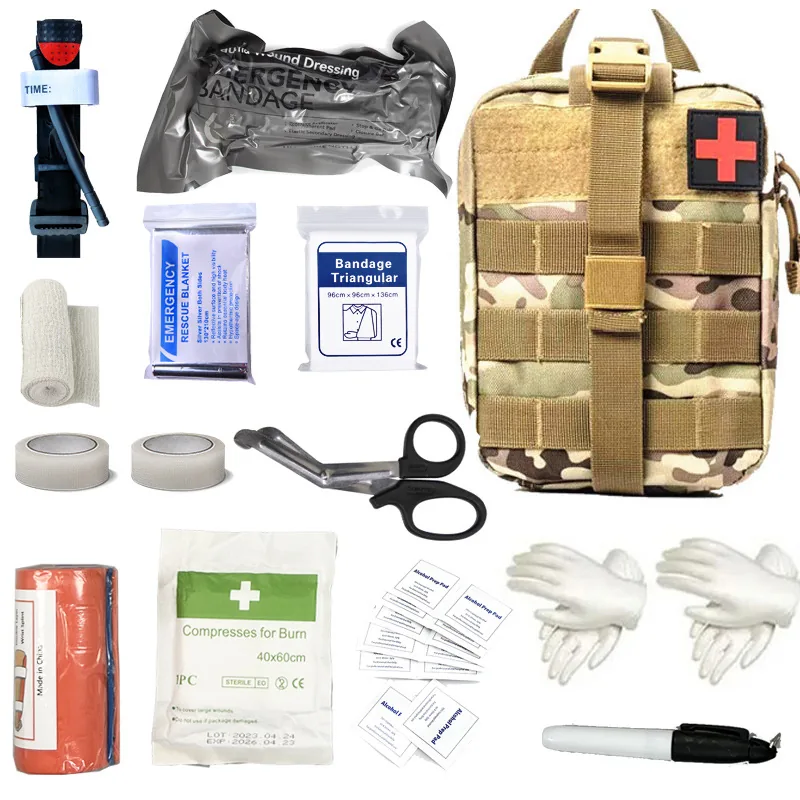
Combat-style windlass tourniquets use a rod turned against a strap to generate and hold pressure, with a clip or retainer locking the rod in place. They are designed for severe limb bleeding and for one-handed self-application, which is why they dominate trauma kits for machinery, cutting and field environments.
Elastic and Rubber Tourniquets
Elastic and rubber band tourniquets are a different tool for a different job. They are used routinely for venous access - drawing blood and cannulation - where the aim is to distend a vein, not to stop arterial flow. Stocking them in a trauma kit is a common purchasing error.
Buy for the User Not for the Catalogue
A clinical setting needs the elastic type in volume and a small number of trauma devices. A workshop or rescue kit needs the opposite. Splitting the order by who will actually apply the device stops you paying for the wrong inventory on both counts.
Training Is Part of the Purchase
Any trauma tourniquet in a kit should have been handled before the day it is needed. Buy at least one extra unit per site explicitly as a training device and mark it so it never gets returned to the kit.