Match the Material to the Exposure
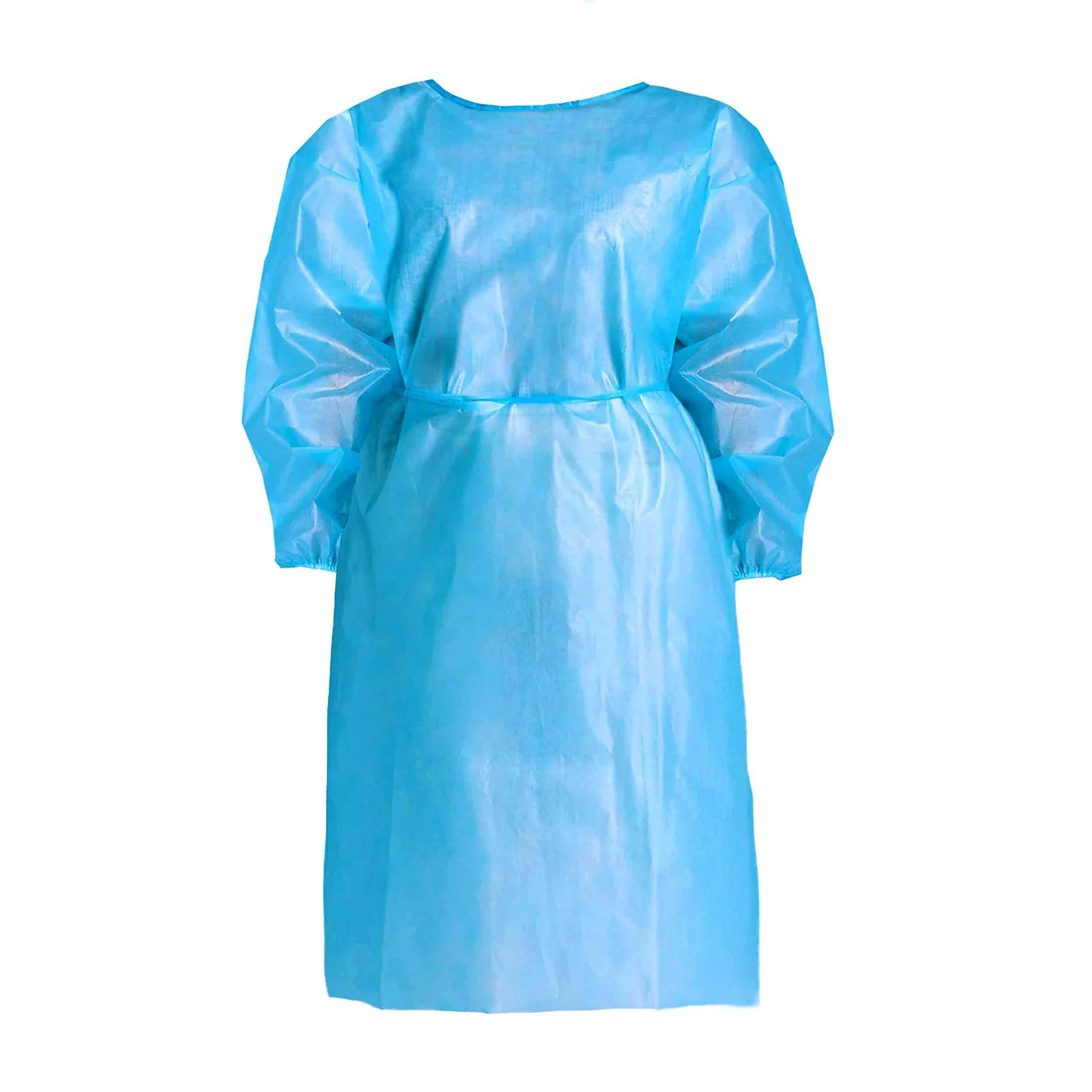
Non-woven fabric breathes and is comfortable for long wear, which suits general clinical and food-handling use. Plastic and transparent formats give a better fluid barrier and are the choice where splash exposure is the concern. Buying one material for every area either overspends on comfort or underspends on protection.
Shoe Covers Are Two Different Products
Non-woven shoe covers are for cleanliness and dust control in clinical corridors and controlled areas. Plastic shoe covers are for wet floors and fluid exposure. Facilities that order a single type usually end up with one department using them wrongly.
Caps and Head Cover
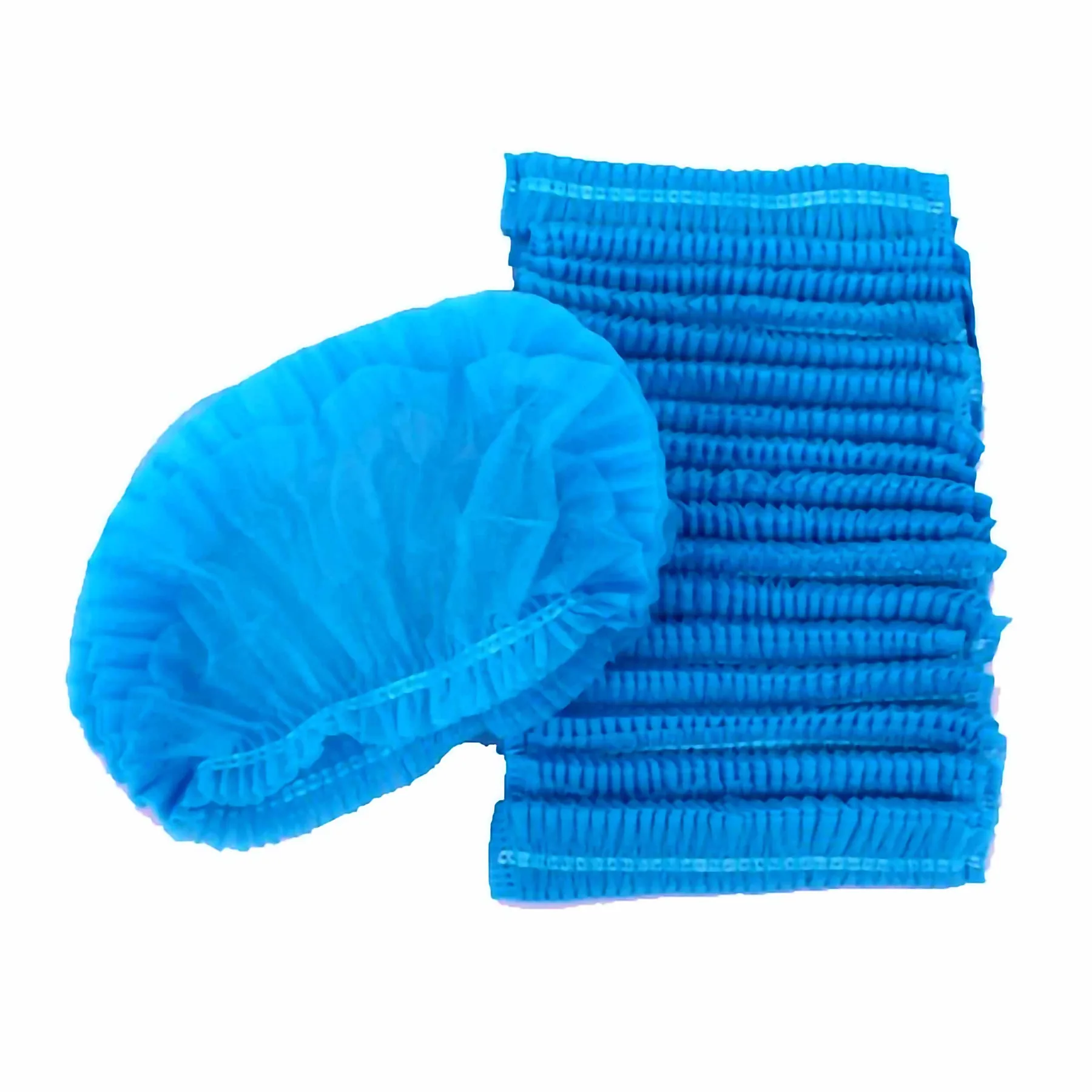
Surgical caps are specified for hair containment in clinical and food-preparation environments. The relevant variables in bulk buying are fit range, elastic quality and whether the pack count matches how your teams actually draw stock.
Buy for Consumption Rate Not for Price Per Piece
Disposables are consumed at a predictable weekly rate. The useful question is how many weeks of cover a carton represents and how long a replacement takes to arrive, because a stockout in barrier wear stops clinical work. Ordering to the reorder point rather than to a price break is what prevents that.
Consolidate With the Rest of the Order
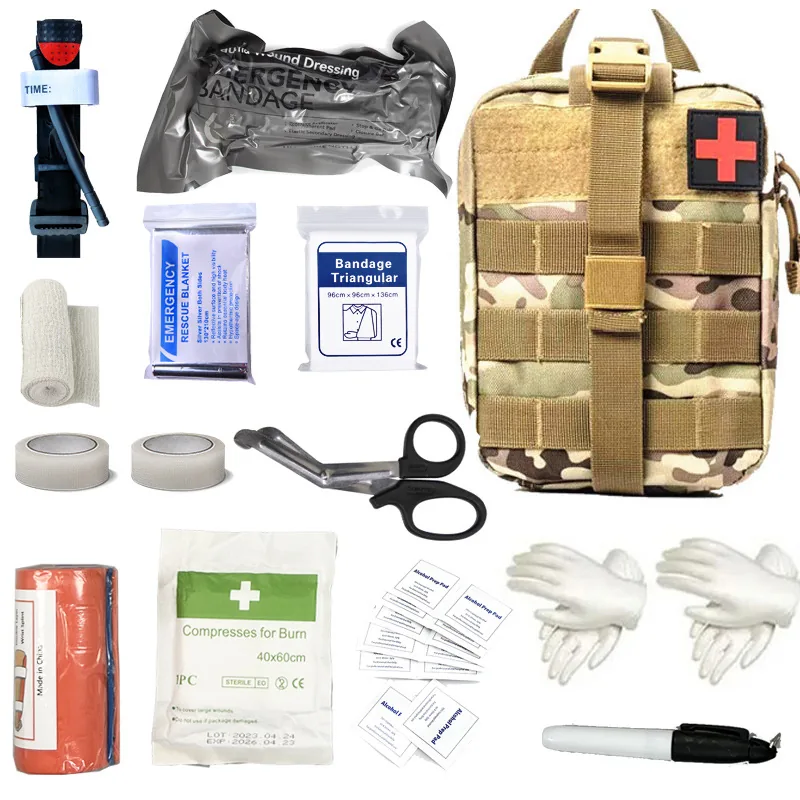
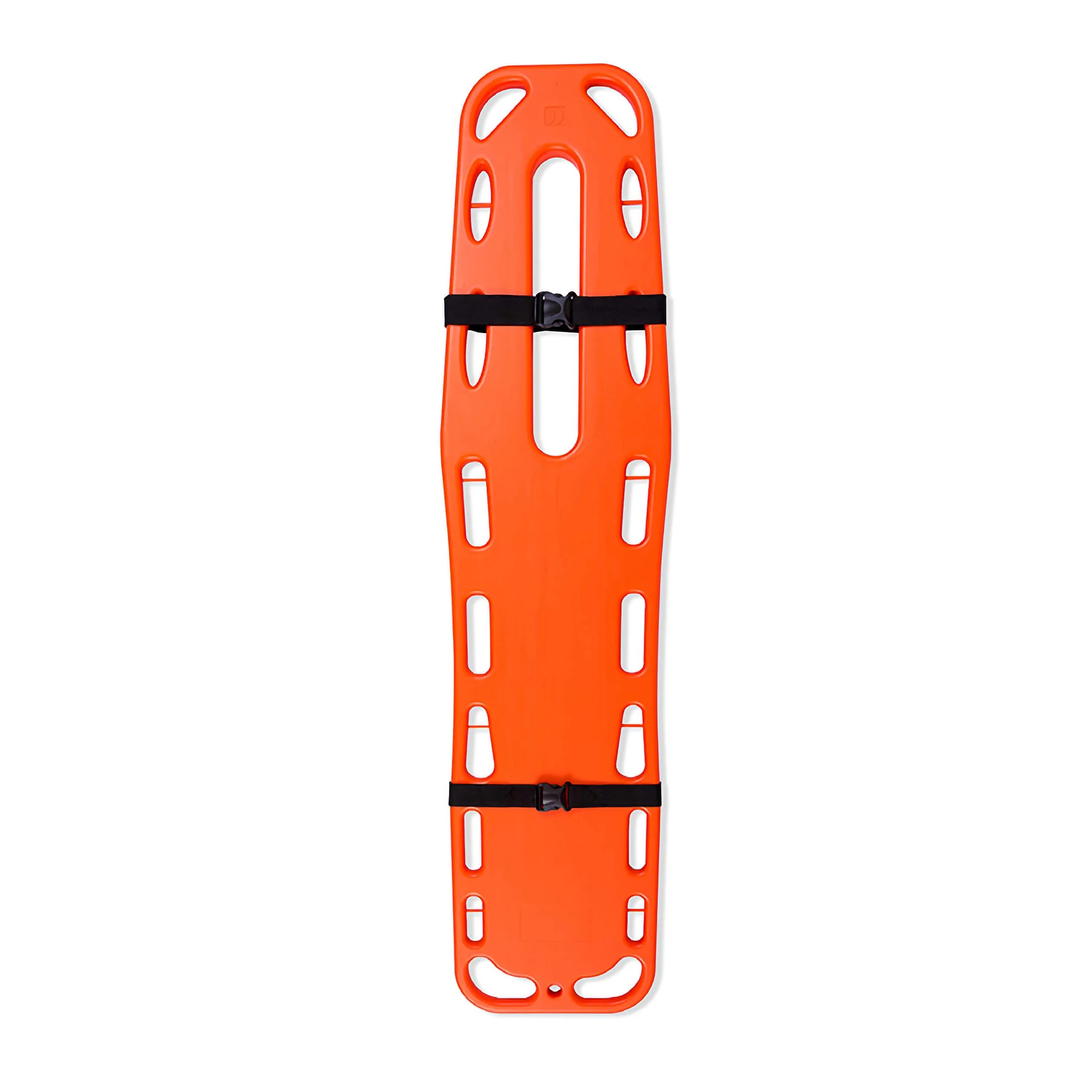
Barrier wear is bulky and light, which makes it the ideal filler in a consolidated sea shipment that also carries instruments, kits and equipment. Running it as its own order is what makes freight expensive.