Three Items One System
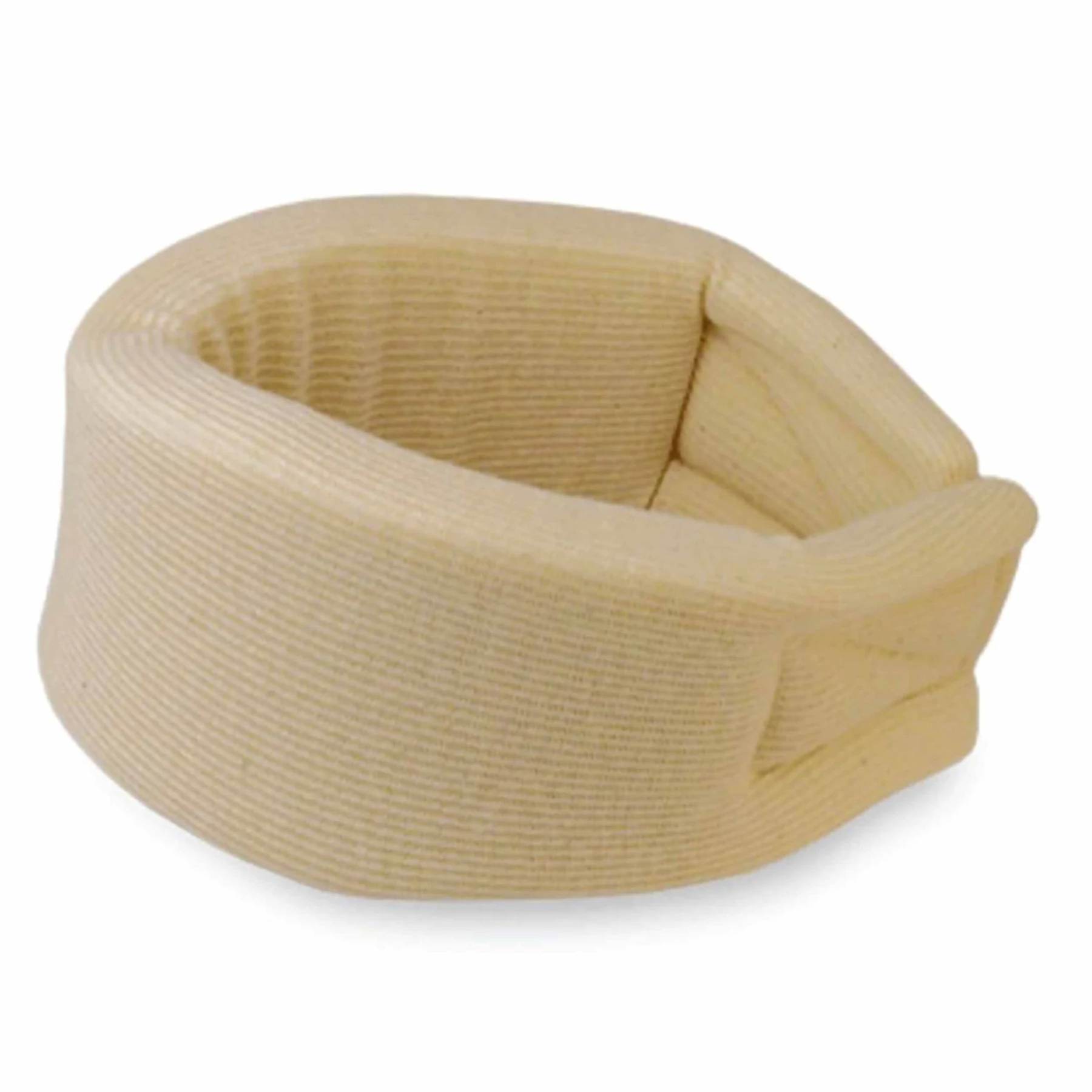
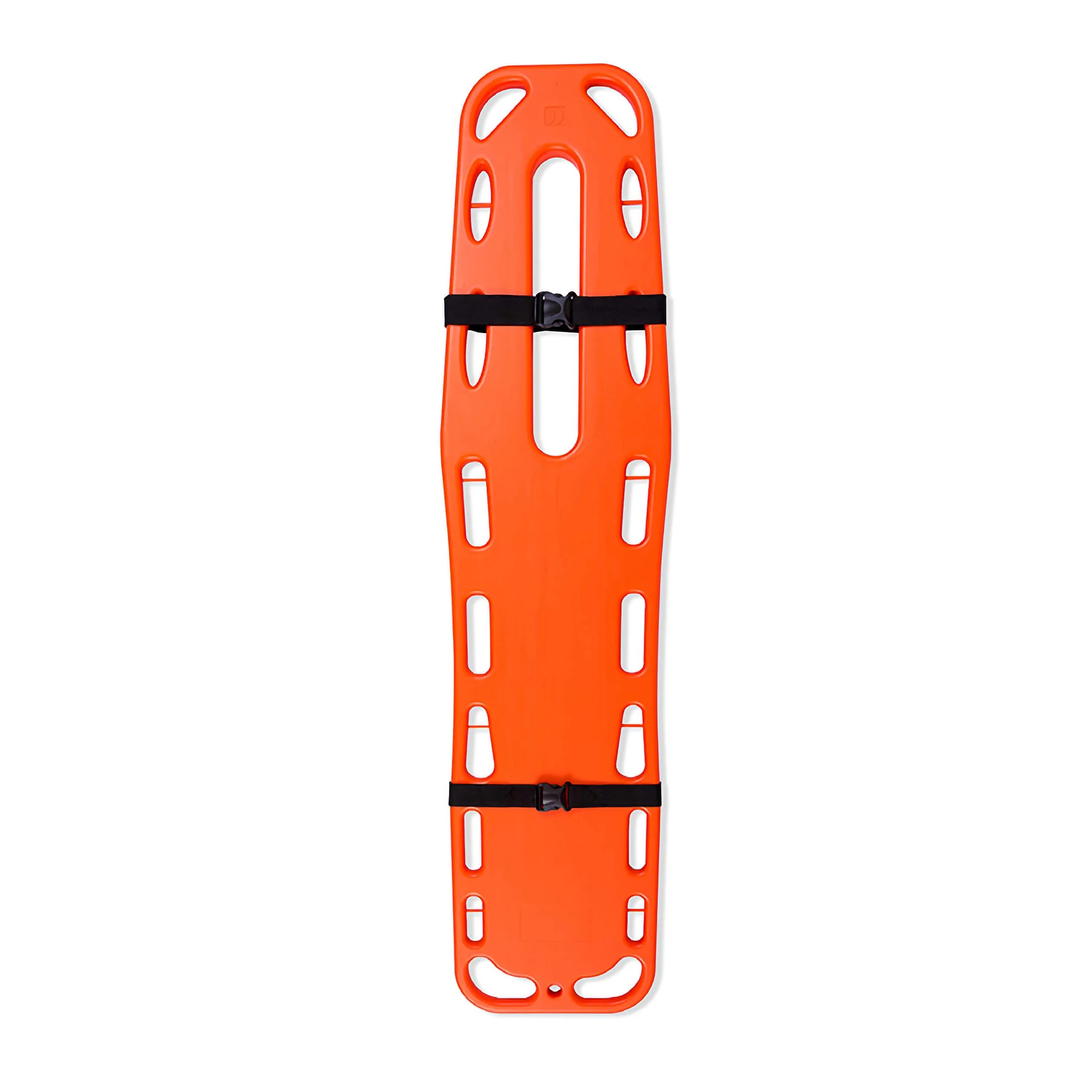
A spine board carries the load, a cervical collar limits neck movement and a head immobiliser stops rotation once the patient is on the board. Each one does a job the other two cannot. Sourced from different suppliers, the strap slots on the board and the base of the immobiliser often do not correspond, and the gap shows up during a live transfer.
What to Look For in a Board
High-density construction that supports full body weight without flexing, multiple handholds so several rescuers can share the carry, and secure strap slots positioned to work with an immobiliser. Radiolucent material matters in a hospital handover because the patient can be imaged without being moved off the board.
Cleaning Between Calls
Patient handling equipment is used in blood, water and mud. Non-porous, waterproof surfaces that wipe down are not a convenience feature, they are what lets the same board go back into service on the next call. Anything with fabric or foam that absorbs is a service-life problem.
Stretchers Solve a Different Problem
A folding stretcher is for moving a patient who does not need spinal immobilisation through a space a board cannot navigate - stairwells, corridors, boat decks. Most response teams need both, and the question is the ratio, not which one to buy.
Splints and Supports for the Limbs
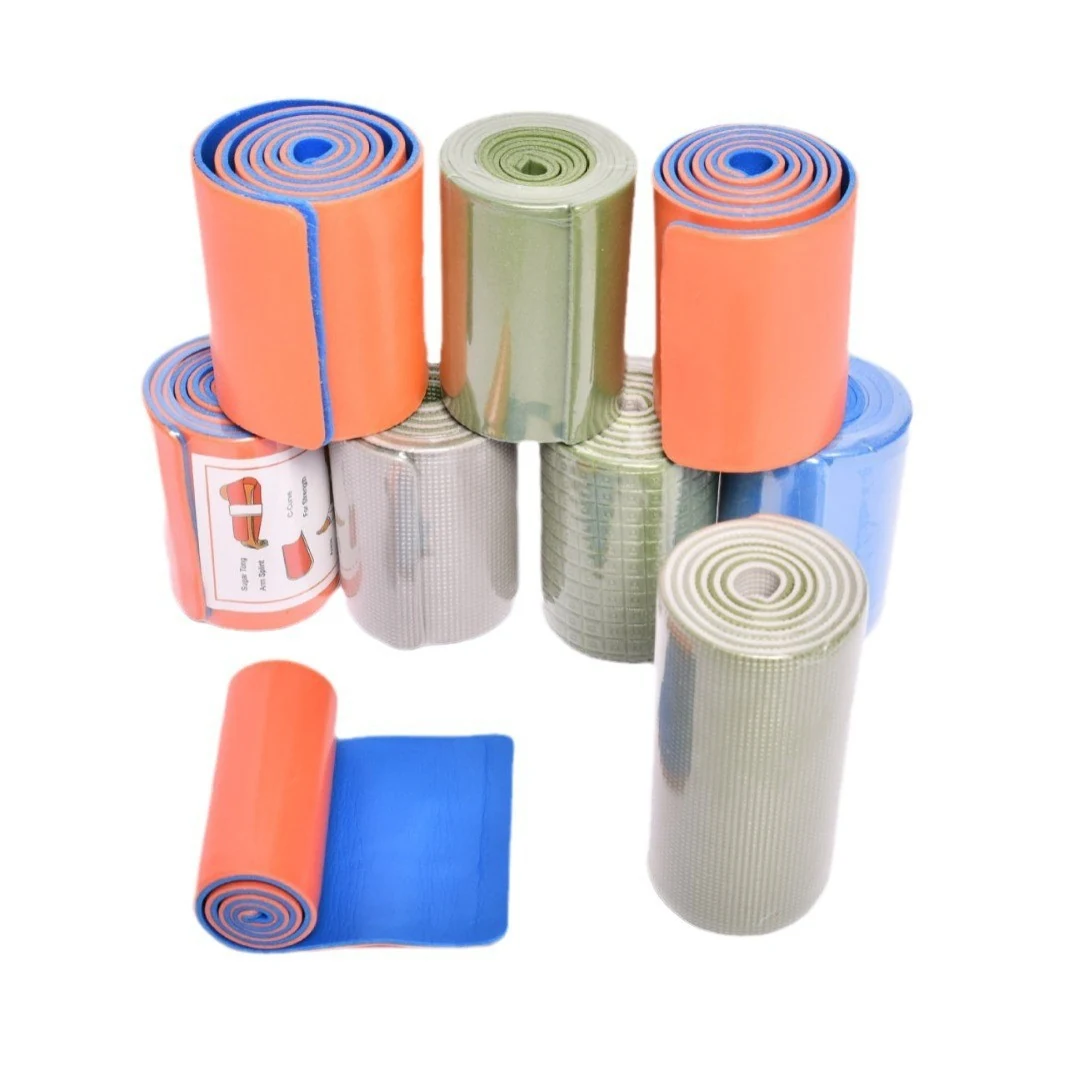
Roll-type mouldable splints, arm slings, abdominal binders and soft collars cover the injuries that do not need a board. Stocking them alongside the immobilisation set means a crew is not improvising limb support with equipment meant for the spine.