
How we work
Size Run and Assortment Planning
Get the carton mix right so the middle of the size curve does not run out while the ends sit on the shelf.
Orthopaedic products are bought by size run, not by unit. The single most common stock problem in this category is an even split across the run: M and L clear first, the extremes sit, and the buyer reorders a full assortment to cover a partial shortage. The size runs in this range are wide on purpose, and the carton assortment is a packing decision that can follow your actual sales mix.
Stage by Stage
Where Each Step Usually Breaks and What Happens Here Instead
Range Mapping
Problem. Size runs differ between articles, so an order written against one article's run does not transfer to another.
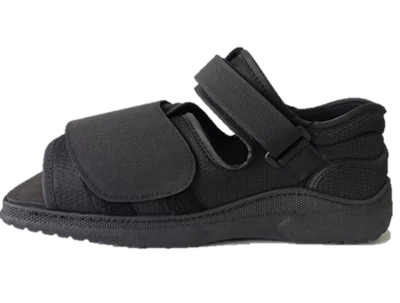
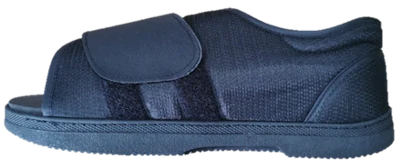
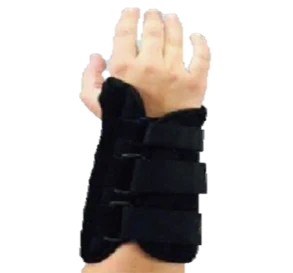
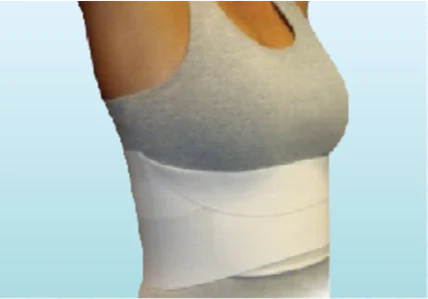
How it works here. The post-op shoes run Children through XL. The cast and off-loading shoes run XS through XL. Wrist and shoulder items run Small through X-Large, and the rib belts reach XXX-Large. We confirm the run per article before quoting.
Demand Split
Problem. Nobody stocks an even curve, but suppliers ship one because it is easier to pack.
How it works here. Send the split you actually sell and the cartons are packed to it.
Paediatric Planning
Problem. Children's sizes bought from a second supplier bring a second sizing logic into the same department.
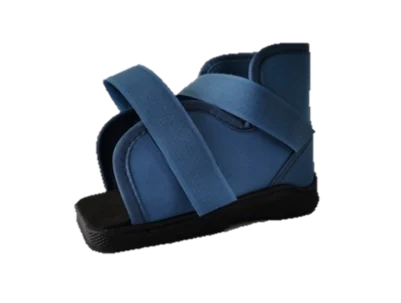
How it works here. The post-op shoes include a Children size in the same article family, and the Cast Boot Square Toe Pediatric DG-027 covers dedicated paediatric cast work.
Left and Right Pairs
Problem. Handed products ordered as a single line arrive unbalanced against the demand.
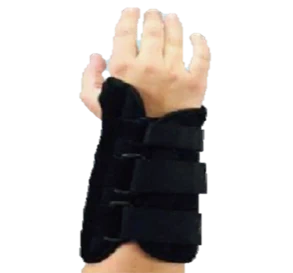
How it works here. The wrist range is supplied in explicit left and right articles, so each side is ordered and counted separately.
Production Grading
Problem. A size run graded fresh each order drifts between deliveries.
How it works here. Grading runs from the established lasts and patterns rather than being re-cut per order.
Carton Marking
Problem. A warehouse that has to open cartons to find sizes loses the time saved on the order.
How it works here. Carton marking, size assortment and barcode labelling follow what you specify for your channel.
Reorder Review
Problem. The mix that was right at launch is wrong a year later and nobody revisits it.
How it works here. Send your sell-through when you reorder and the assortment is adjusted with it.
FAQ
Questions Buyers Ask Before Ordering
Which articles have the widest size run
The Post-Op Shoe Square Toe DG-107 and the Post-Op Shoe Round Toe DG-0109 run Children, XXS, XS, S, M, L and XL.
Can we specify the number of pairs per size in each carton
Yes. The assortment per carton is set to the mix you sell rather than an even split across the run.
Do you supply left and right versions separately
Yes. The wrist splints and wrist immobilisers are supplied as explicit left and right articles.
What size run do the rib belts cover
The Rib Belt Support articles run Small, Medium, Large, X-Large, XX-Large and XXX-Large.
How should we size a product that is worn over a dressing
To the dressed limb, not the bare limb. The dressing is what determines the fit, and if the case sits between sizes, take the larger one.
Can you advise on an opening assortment
Tell us the market and the channel and we will tell you what the size runs allow. We will not invent sell-through figures for a market we do not have data on.
Size Run and Assortment Planning
Send the article list and the requirements. You get an answer against your own list rather than a brochure.