
How we work
Consolidated Orthopaedic Sourcing
Replace four suppliers with one site without replacing the article numbers your customers already order.
A distributor carrying a full orthopaedic shelf is usually buying footwear from one workshop, splints from another, tape from a third and walking aids from a fourth. Each one brings its own quality system, its own sizing logic and its own paperwork. Da Gao makes all five families on one certified site, which is the practical reason buyers consolidate here.
Stage by Stage
Where Each Step Usually Breaks and What Happens Here Instead
Range Review
Problem. Nobody knows how much of the shelf one factory can actually cover until the quotations come back.
How it works here. Send your current line list. We mark which articles map onto the 43 we already produce and which do not, before you commit to anything.
Sample Matching
Problem. Consolidating means the replacement has to fit the same customers who bought the old one.
How it works here. We work from your existing samples and specifications rather than asking you to accept ours, and confirm what the established patterns can match.
Assortment Design
Problem. Five suppliers means five carton logics, and the warehouse absorbs the difference.
How it works here. One assortment standard across all five families, set to your own sales mix rather than an even split.
Production
Problem. Consolidation fails if the single supplier cannot absorb the combined volume.
How it works here. About 1,600,000 units a year across a 7,000 m² site with 4,000 m² of building, so a consolidated order is not queued behind one line.
Quality Documentation
Problem. Four supplier files, four audits, four sets of certificates to keep current.
How it works here. One ISO 9001:2015 and ISO 13485:2016 certified supplier file replaces the set.
Shipment Consolidation
Problem. Four suppliers means four shipments, four sets of freight and four arrival dates.
How it works here. The whole shelf leaves one site, so the container is packed once and arrives once.
Reordering
Problem. Every reorder across four suppliers is four chances for something to change.
How it works here. One article list, one contact and one production record for the whole range.

FAQ
Questions Buyers Ask Before Ordering
Can you really cover the whole orthopaedic shelf
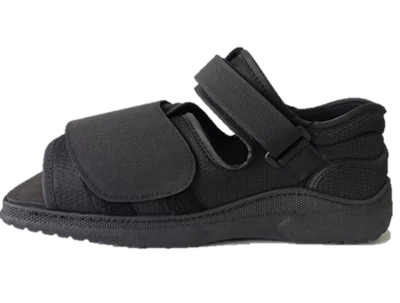
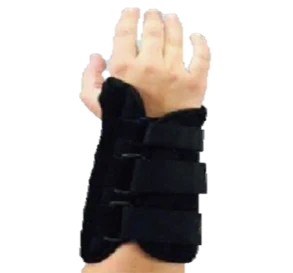
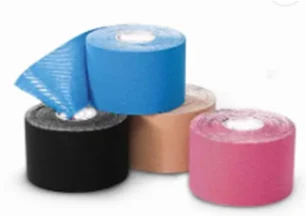
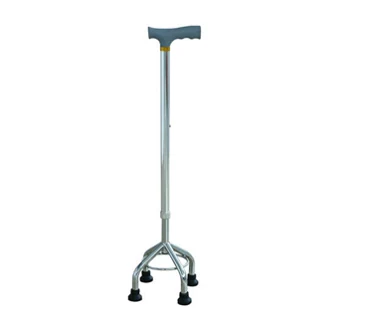
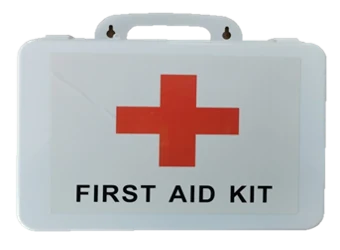
Five families are made here: post-op and cast footwear, orthopaedic soft goods, kinesiology and athletic tape, mobility aids and first aid kits. That is 43 articles in total.
We already have article numbers our customers order by. Do those change
Our article numbers are ours, but private label buyers routinely keep their own catalogue numbers on the product and packaging.
How do we test the fit before we move the whole range
Most buyers start with one family, usually the footwear or the wrist range, and add the rest once the first repeat order lands.
What if an article we sell is not in your range
Say so when you send the line list. We will tell you plainly whether it is tooled here rather than promise it and work it out later.
Does consolidating reduce our lead time
It removes the coordination between suppliers. The production time itself depends on the articles and quantities, so send the list and we will quote against it.
How do we start
Email your current line list to [email protected]. You will get back a mapping of which articles are already produced here.
Consolidated Orthopaedic Sourcing
Send the article list and the requirements. You get an answer against your own list rather than a brochure.