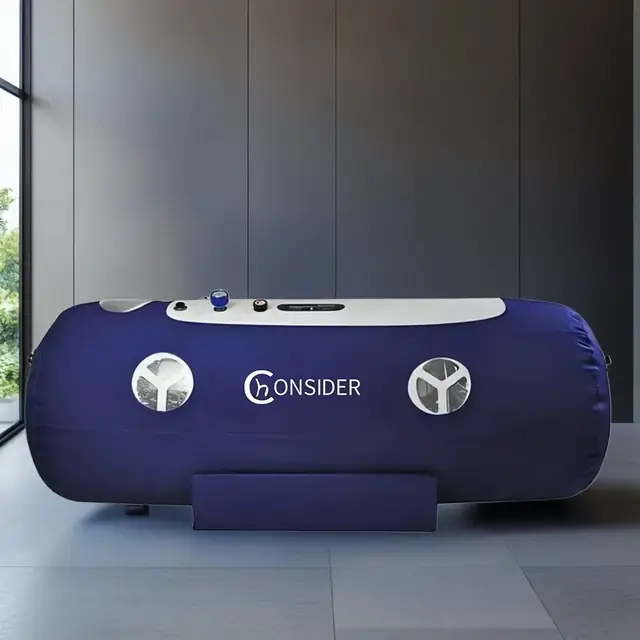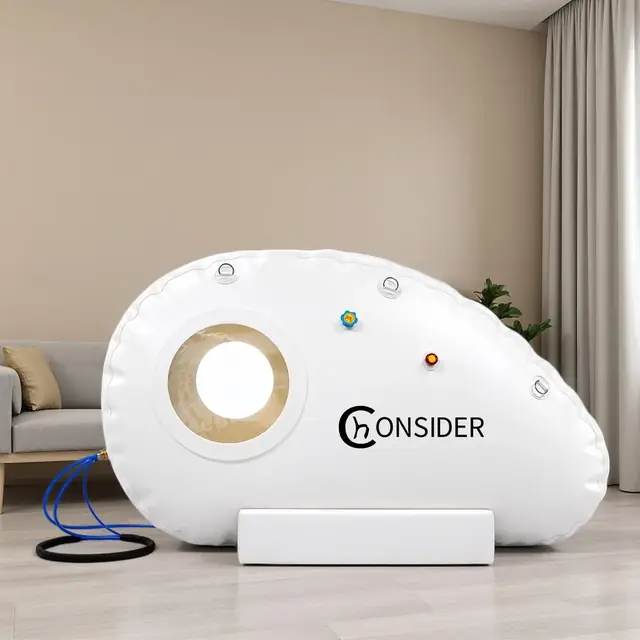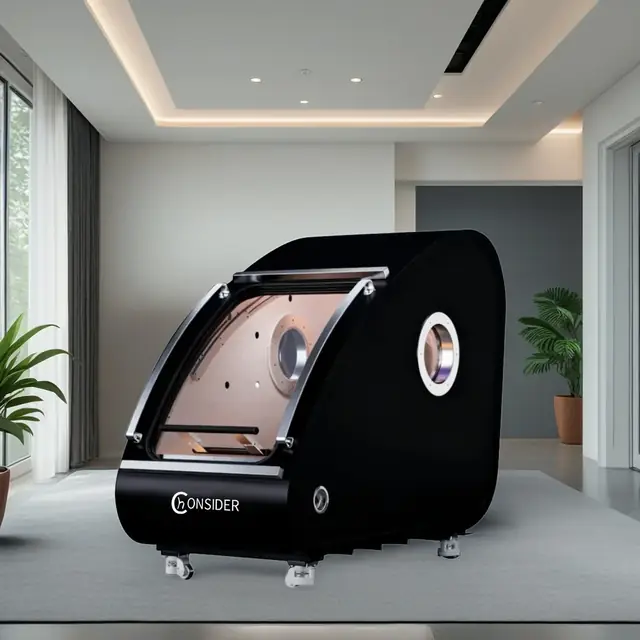
Important Terminology
This guide compares the two main types of home mild hyperbaric oxygen therapy equipment: hard-shell chambers and soft-shell chambers. It covers core specifications, installation, user experience, safety, maintenance, long-term ownership, and which option is the best fit for your needs.
Home hard-shell and soft-shell chambers are consumer-grade mHBOT wellness devices. They are not hospital-grade clinical HBOT equipment and cannot replace medically supervised hyperbaric oxygen therapy for treating medical conditions. They are designed for everyday wellness support, physical recovery, and general health management.
1. Pressure Stability and Wellness Intensity
Hard-shell chambers use a rigid structural design that holds pressure more consistently and generally supports a higher pressure ceiling. The resulting increase in dissolved oxygen is more stable and more noticeable for users seeking deep fatigue recovery, supportive post-surgical recovery, or long-term wellness routines.
Soft-shell chambers operate at lower pressure and may experience slight pressure variation as the flexible bladder expands and changes shape. The resulting session is gentler and better suited to everyday relaxation, sleep support, and recovery from light fatigue. They are not intended for high-intensity conditioning.
2. Installation and Home Compatibility
Hard-shell chambers are large, fixed devices. Before delivery, the buyer must confirm the full route into the property, including door openings, elevators, and corridors. The floor must also support the delivered weight, and the room must provide enough space for the chamber and its operating equipment. A site survey is required before installation, and the chamber cannot be easily moved once it is in position.
Soft-shell chambers do not present the same delivery challenges. They can be carried in sections, unfolded, and inflated without fixed installation. When the chamber is clean, dry, and disconnected according to the operating instructions, it can be deflated, folded, and stored. This makes it practical for small homes, rental properties, and rooms with limited available space.
3. Different Safety Priorities
Soft-shell chambers have a specific set of material and oxygen-environment risks. Jewelry, keys, and other sharp objects can easily puncture the fabric. The zipper can wear, jam, or develop leaks over time. Static electricity, open flames, alcohol, and perfume can create serious hazards in an oxygen-enriched environment, so strict daily precautions are required.
Hard-shell chambers do not have the same puncture risk. Their main points of attention are foreign objects caught in the door gasket, aging pressure sensors, and electrical-system faults. With these checks in place, the rigid structure and integrated safety systems provide greater overall stability.
4. Long-term Ownership Cost
The hard-shell chamber body is designed for long-term service. Ongoing maintenance mainly centers on low-cost consumables such as filters and door gaskets, keeping long-term maintenance relatively low after the initial purchase.
The air bladder and zipper are the key consumable components of a soft-shell chamber. After a period of use, they may age, wear, or leak. Repairs may involve patching the bladder or replacing it, which can create higher hidden costs over the full ownership period.
5. User Fit and Accessibility
Hard-shell chambers offer a more open, spacious interior and easier entry, which makes them a better fit for older adults, users with limited mobility, and people planning a long-term wellness routine. Soft-shell chambers have a smaller interior and a more involved zipper entry, making them better suited to younger users, athletes, and short daily sessions.
Choose a Soft-Shell mHBOT Chamber When
- Your home is small or storage space is limited.
- You need a chamber that can be folded and stored when not in use.
- You are renting and may need to move the equipment.
- You want a lower-cost option for basic home wellness.
- Your primary goals are everyday fatigue relief, sleep support, and light wellness routines.
- The main users are younger adults or athletes looking for post-exercise recovery.
Choose a Hard-Shell mHBOT Chamber When
- You have a dedicated room with enough space for a permanent installation.
- You have the budget for a stable, long-term wellness system.
- Older adults or users with limited mobility need easier entry and a more comfortable interior.
- You want a higher pressure specification and more stable oxygen-delivery performance.
- The chamber will support long-term family wellness, a commercial location, or a professional recovery studio.
- Do not use the chamber if you have nasal congestion from a cold, otitis media, Eustachian tube blockage, chest tightness, shortness of breath, or severe hypertension.
- Keep open flames, smoking materials, mosquito coils, alcohol, perfume, lithium batteries, and other flammable or explosive items away from the chamber and the surrounding area.
- Never open the chamber while it is pressurized. Do not disassemble or service the equipment until it has been fully depressurized and disconnected from power.
- Do not treat a home mHBOT chamber as a medical device or use it as a substitute for hospital clinical HBOT for disease treatment.
- Remove sharp metal objects before entering. Wear pure cotton clothing and avoid anything that could create static electricity or damage the chamber fabric.
- Do not modify the equipment. Unauthorized modifications may cause electric shock, shutdown, or other safety risks.