
Shipping Trucks and Trailers RoRo Versus Container
Choose RoRo for immediate drive-off or container for trailer protection. Confirm lashing, documents, and insurance to avoid landed cost surprises.
Choose RoRo When You Need the Truck to Drive Off the Ship
RoRo shipping allows the truck to drive directly from the vessel to your yard, reducing unloading time and avoiding crane costs.
This is essential if you need immediate operation, especially in remote locations without heavy lifting equipment.
Use Container Shipping for Trailers or High Value Units in High Risk Areas
Containers protect trailers and sensitive components from weather, theft, and damage during long sea transit.
They are ideal for semi-trailers, especially when shipping across regions with high piracy or customs scrutiny.
Confirm Axle Count and Wheel Configuration Before Booking
A 6x4 tractor truck requires a different lashing method than a 4x2. Verify axle count and wheelbase in the specification sheet.
Mismatched configurations can delay loading or require special securing, increasing cost and risk.
Lashing Standards Must Match the Vessel's RoRo Deck Capacity
RoRo vessels have specific lashing points and weight limits per deck level. Confirm the truck's dimensions and weight against the vessel's deck plan.
Failure to match lashing standards can result in rejection at loading or damage during transit.
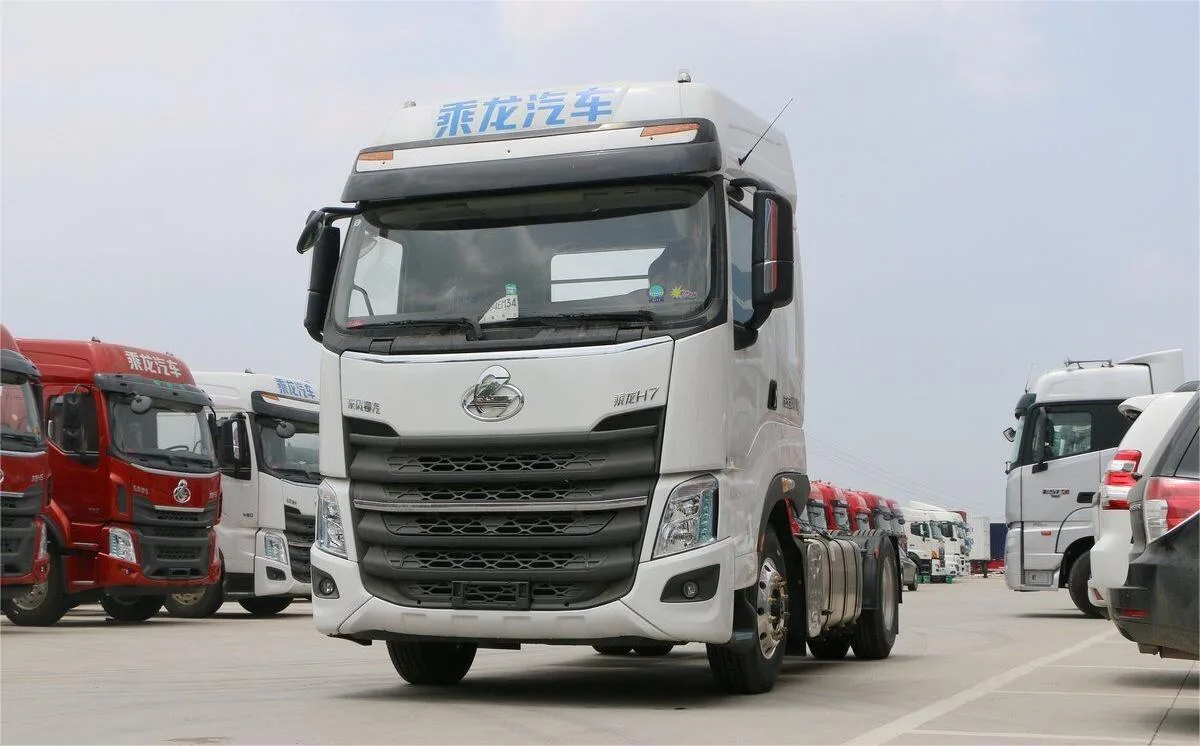
Document the Trailer Load Sequence and Lashing Plan in Writing
For multi-trailer shipments, define the order of loading and lashing method (e.g., chain, wire rope, or webbing) in the shipping document.
This prevents confusion at the port and ensures compliance with maritime safety regulations.
Insurance Must Cover Both the Vehicle and the Lashing System
Standard marine cargo insurance may not cover damage from improper lashing or shifting during transit.
Confirm with your insurer that the policy includes lashing failure and movement during sea transport.
Customs Clearance Requires the Chassis Number and Export Certificate
Customs will verify the chassis number against the export certificate and the bill of lading.
Ensure the chassis plate is visible in pre-loading photos and matches the documentation.
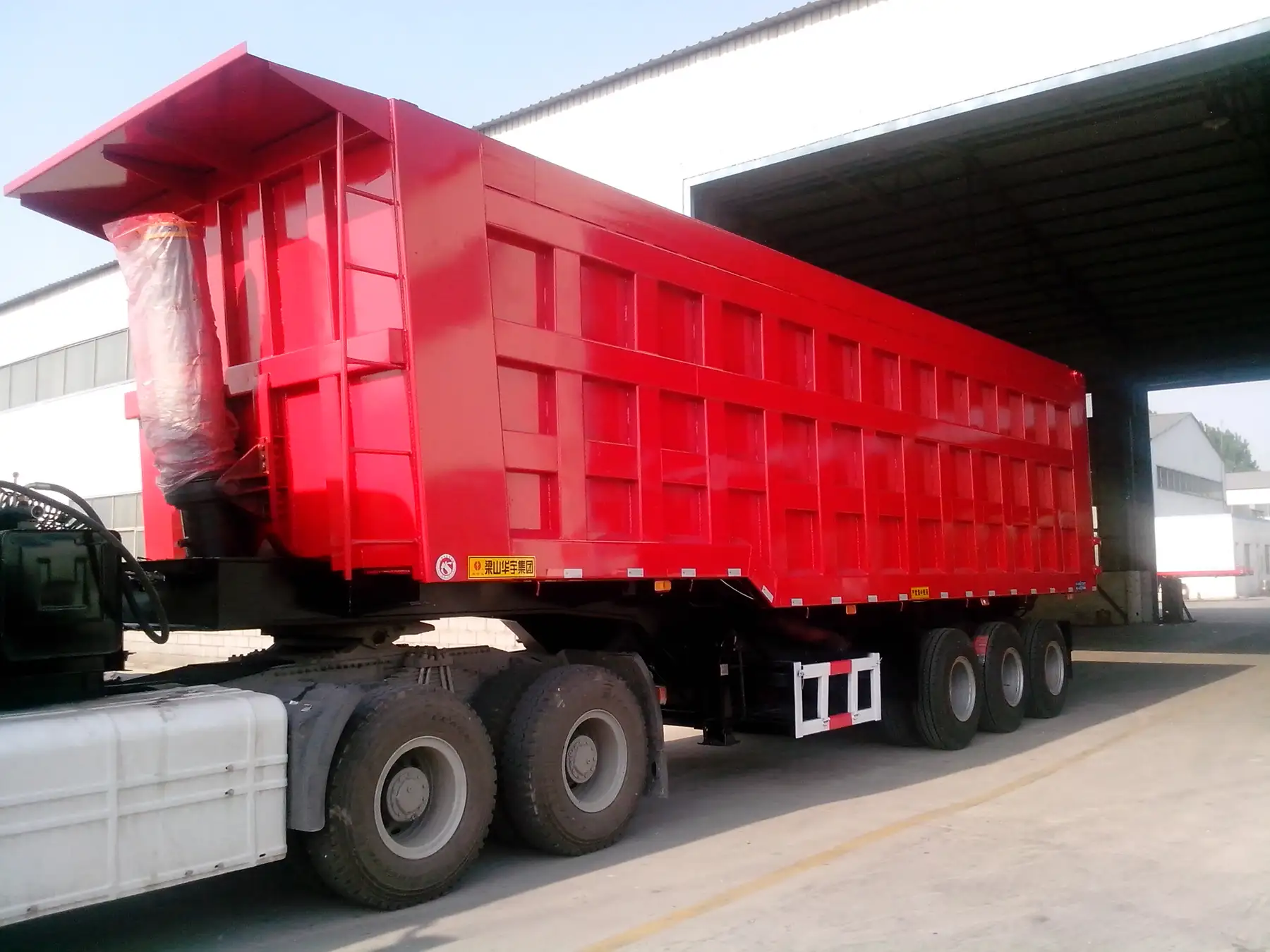
Plan for Spare Tires and Lashing Hardware in the Same Shipment
If the truck arrives with a flat or damaged tire, you cannot operate it until replacement is shipped.
Include spare tires, chains, and lashing hardware in the same container or on the same bill of lading to avoid delays.
Listings Behind This Guide
Questions on This Topic
When should I choose RoRo over container shipping
Choose RoRo when you need the truck to drive off the vessel immediately, especially for operational deployment in remote areas.
Can trailers be shipped in containers
Yes, trailers are commonly shipped in containers, especially in high-risk regions or when protection from weather and theft is required.
What documents are needed for customs clearance
You need the chassis number, export certificate, bill of lading, and a pre-loading photo showing the chassis plate.
How is lashing done on RoRo vessels
Lashing is done using chains or wire ropes secured to fixed points on the deck. The method must match the vessel's lashing plan.
Can I mix RoRo and container shipments in one order
Yes, but specify the shipping method for each item at quotation stage. Mixing methods affects lead time and cost.
What happens if the lashing fails during transit
Damage from shifting or movement is covered only if the insurance policy includes lashing failure and proper documentation is provided.
Do I need to inspect the truck before it ships
Yes, inspect the truck and verify the chassis number, lashing points, and tire condition before loading. Use pre-loading photos as proof.
Other Guides in the Knowledge Centre
How to Choose a Tractor Truck for Export
Dump Truck or Dump Trailer Which to Buy
Semi Trailer Axle Suspension and Payload Guide
Buying Used Construction Machinery From China
Truck Filter Cross Reference and Replacement Guide
Left Hand Versus Right Hand Drive Truck Import Guide
Spare Parts Planning for an Imported Truck Fleet
Apply This to Your Own Order
Send your route, load and port and we will turn this guide into a specific specification.