Material is decided by size, relief depth and cost, not by preference. The rules the factory actually works to, with the size thresholds that matter.
The usual question is which metal is best. The more useful question is how big the piece is and what it has to do, because that settles the material almost on its own.
There are three thresholds worth knowing, and they come from the way each material behaves rather than from preference.
Iron suits small pieces, below about 45 mm. It costs less than brass and zinc alloy, and it can be fitted with a magnet, which makes it the usual choice for magnetic badges.
Above that size an iron piece starts to feel light for its dimensions, which is when buyers notice the difference in the hand.
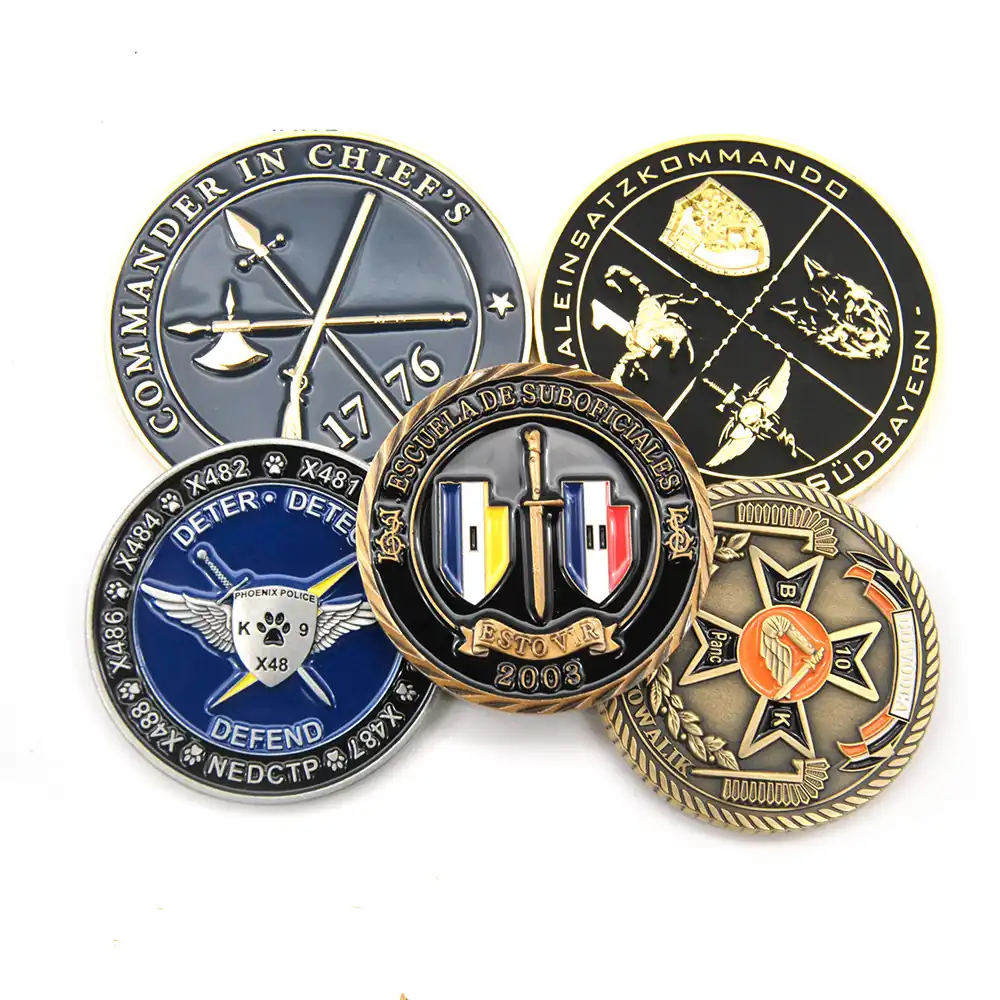
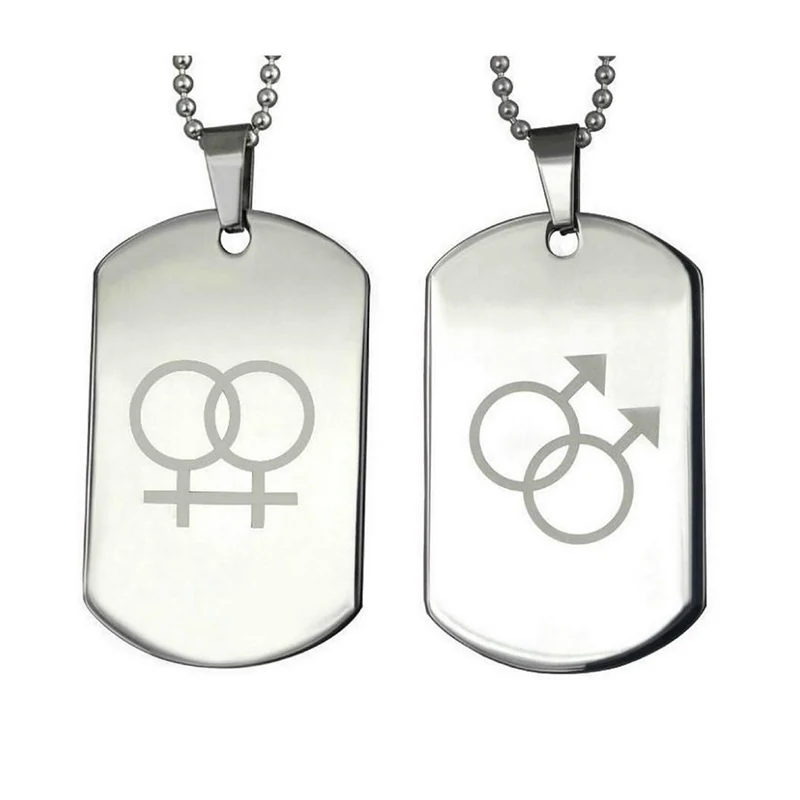
Brass is the best material for pieces that are kept: coins, commemorative medals, cufflinks and jewellery tags. It holds a fine struck line and it takes an antique finish with real contrast between the bright faces and the dark recesses.
It costs more than iron. For a giveaway it is usually more material than the job needs.
Zinc alloy is the die casting material. It suits pieces over 50 mm, anything with a 3D effect and anything that needs to be thicker. It produces strong, durable, lightweight and detailed parts, and it is the route if the design has cut-out areas.
Below about 25 mm, casting is usually unnecessary and stamping is cheaper.
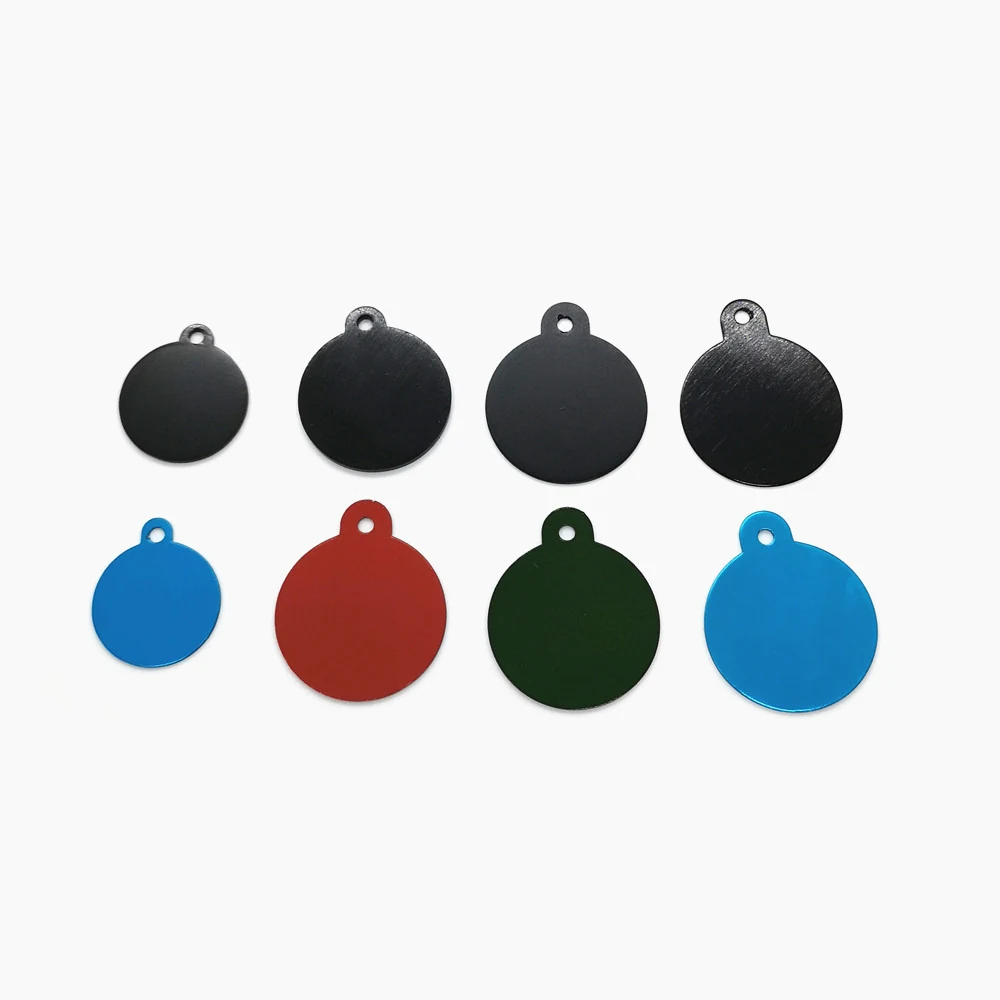
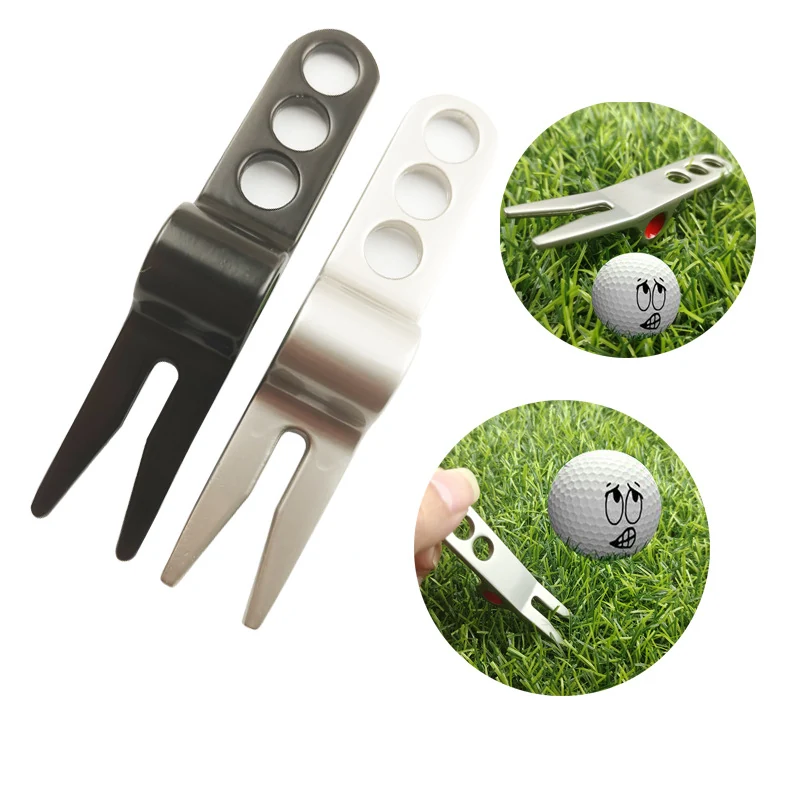
Aluminium is the lightest of the four and it does not rust, which is why it dominates pet ID tags and golf tools that are carried in a pocket.
It also takes anodising, where the colour is created in the metal surface rather than coated on top of it. Anodised colour cannot chip off, which a painted finish can.
| Iron | Small pieces below 45 mm. Lowest cost. Can be fitted with a magnet. |
|---|---|
| Brass | Collectible and memorial pieces. Best material for a fine struck line and antique finishes. |
| Zinc alloy | Die casting. Pieces over 50 mm, 3D shapes, thicker bodies, cut-out designs. |
| Aluminium | Lightest option, does not rust, takes anodised colour that cannot chip. |
| Soft PVC | Moulded shapes, any Pantone colour, soft and light. Not a metal but often the right answer. |
Iron, for pieces below about 45 mm.
Brass, if the coin is meant to be collected or kept. Zinc alloy is the alternative at larger sizes or on a tighter budget.
It is light, which matters on a cat or a small dog collar, and it does not rust.
It can, but below about 25 mm stamping is usually cheaper and holds the detail just as well.
All fourteen standard plating finishes can be applied across these materials. The material changes the weight, the cost and how much relief can be held.
Send the artwork and the quantity. We will tell you which process suits it, and the first sample is free either way.