Titanium Alloy Parts & Fasteners
Titanium Alloy Parts & Fasteners
Titanium Alloy Parts & Fasteners
Guide · Titanium Bolts & Screws
What separates commercially pure GR2 from Ti-6Al-4V GR5, and which one belongs in your fastener.
Almost every titanium fastener question starts here. ZWMET produces in both grades, and the right answer depends on whether the joint is carrying load or fighting corrosion.
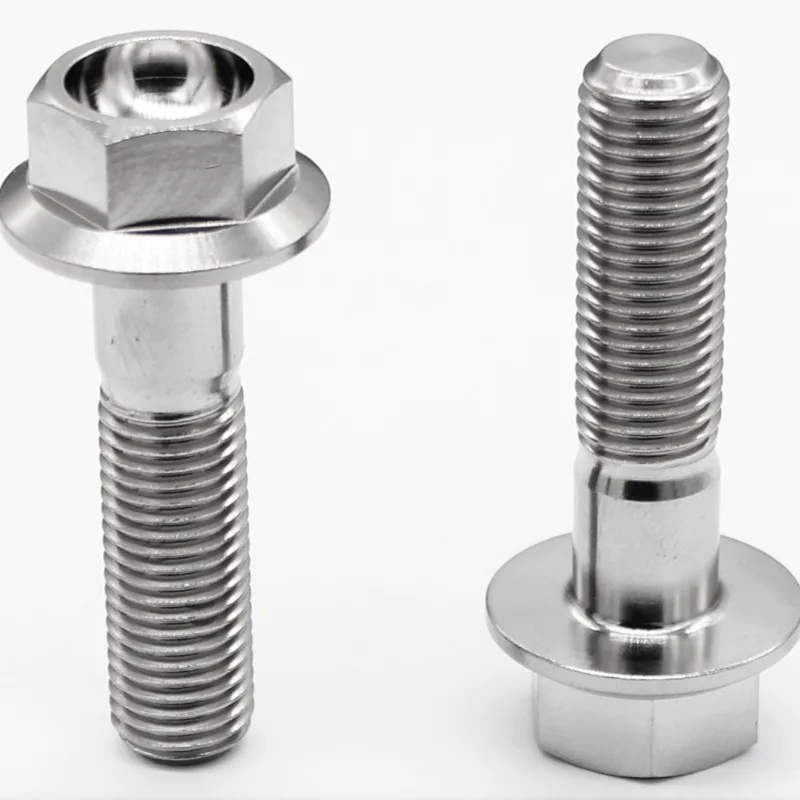
GR2 is unalloyed titanium. It is softer and more ductile than GR5, easier to form, and outstanding in corrosion service. It is the grade to specify when the part lives in seawater, chemicals or a process plant and the load on it is modest.
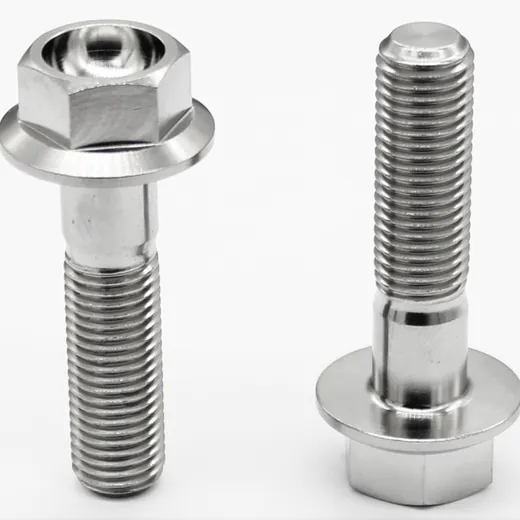
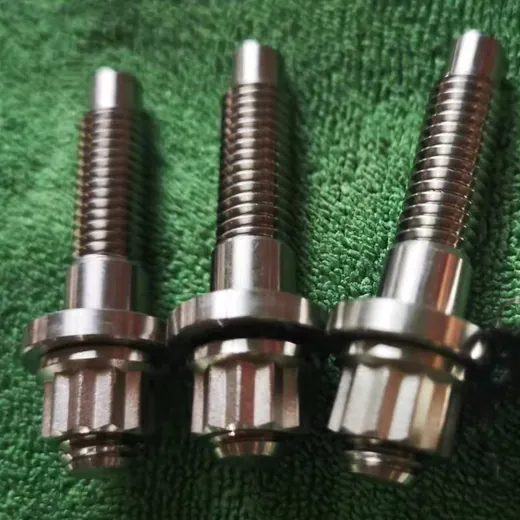
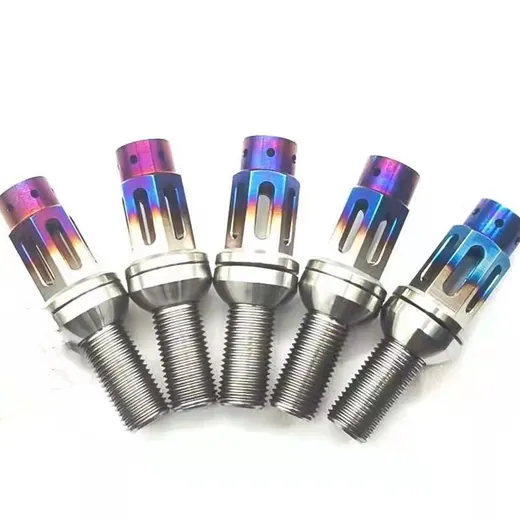
GR5 adds roughly 6% aluminium and 4% vanadium. It is far stronger than GR2 — in the region of structural steel — while staying at around 60% of steel's density. This is the grade behind almost every load-carrying titanium bolt, wheel lug bolt and disc brake screw we make.
The reason a racing team changes to titanium is rarely corrosion. A GR5 bolt at the same strength as a steel bolt weighs about 40% less, and on rotating or unsprung components that difference is felt directly.
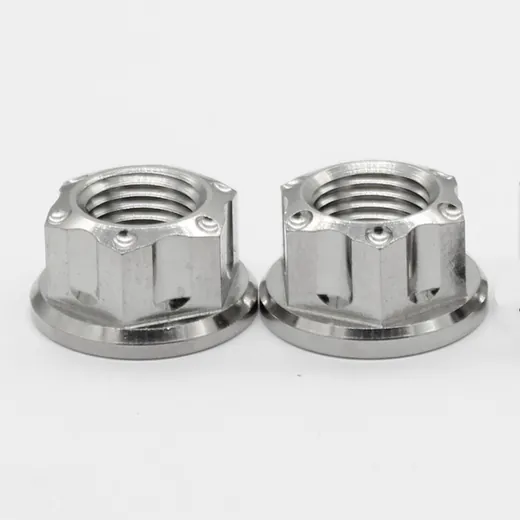
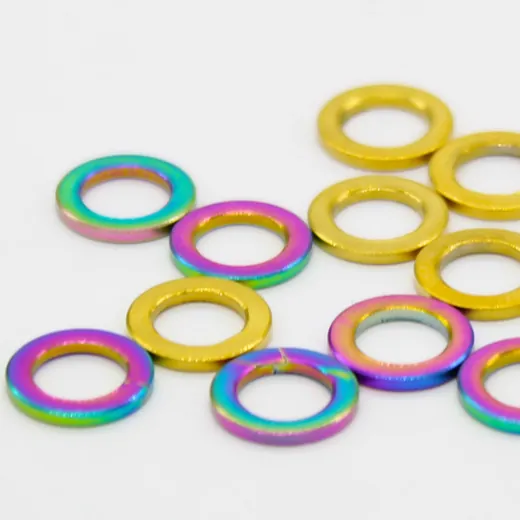
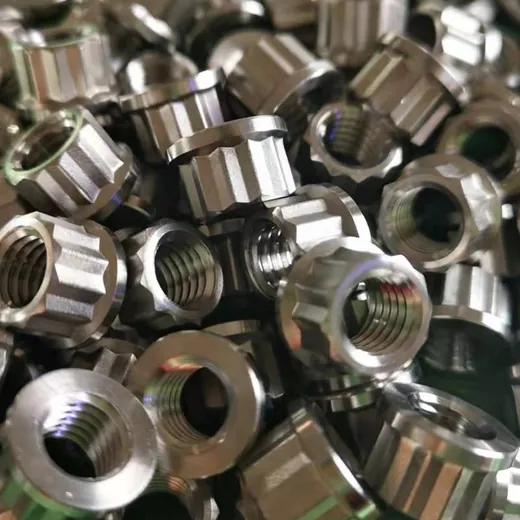
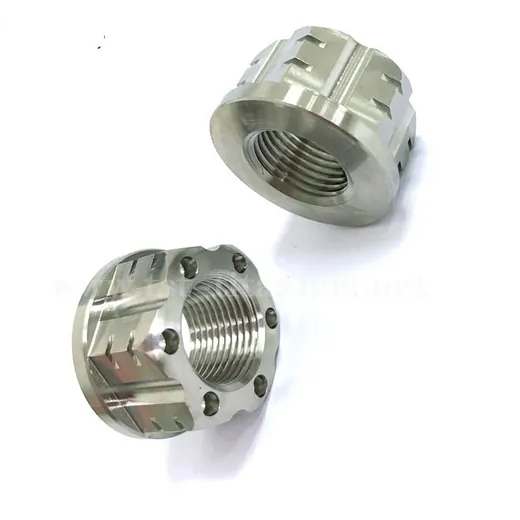
Titanium sits well away from steel on the galvanic series. Mixing a titanium bolt with a steel nut in a wet environment invites corrosion at the joint, which is why our nut and washer ranges exist alongside the bolts — the whole joint should be one material.
If the fastener carries load, specify GR5. If it mainly resists a corrosive environment at low load, GR2 is cheaper and easier to form. If you are not sure, tell us where the part is used and we will recommend the grade.
FAQ
Related Products
Tell us the application and we will recommend the grade, standard and finish.