Titanium Alloy Parts & Fasteners
Titanium Alloy Parts & Fasteners
Titanium Alloy Parts & Fasteners
Guide · Motorcycle Modification Bolts
How anodised titanium colour is produced, how it differs from PVD, and what to expect in service.
The colours on a titanium bolt are not paint, and that is the whole point.
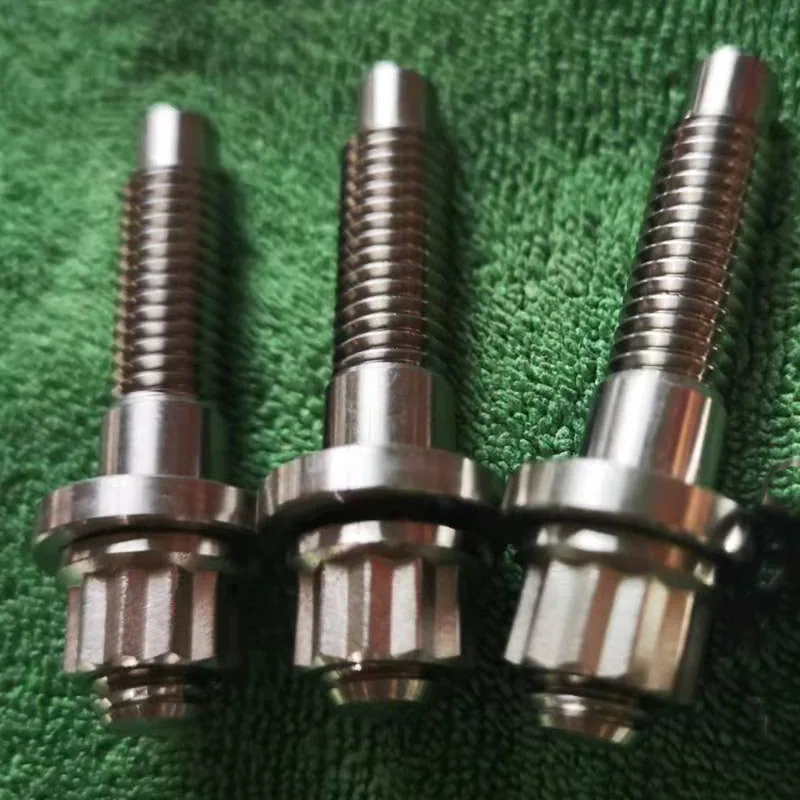
Anodising grows a thin transparent oxide layer on the titanium surface. Light reflecting off the top and bottom of that layer interferes, and the colour you see depends on the layer's thickness. No pigment is involved, which is why the colour cannot chip or peel like a coating.
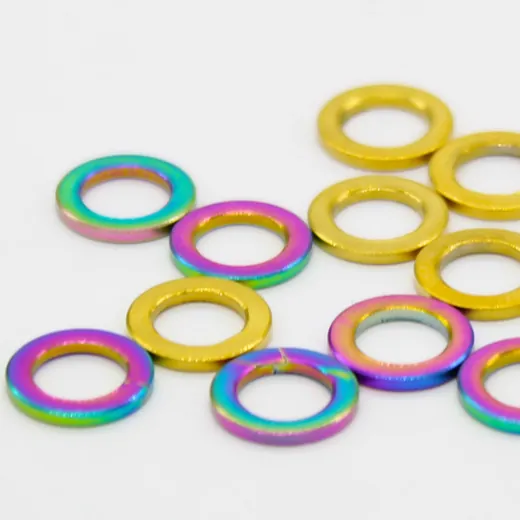
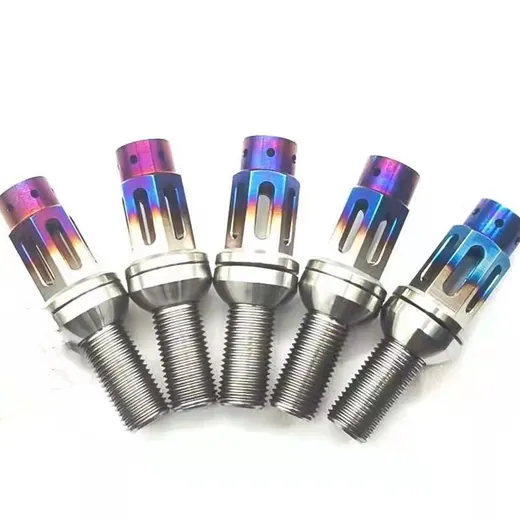
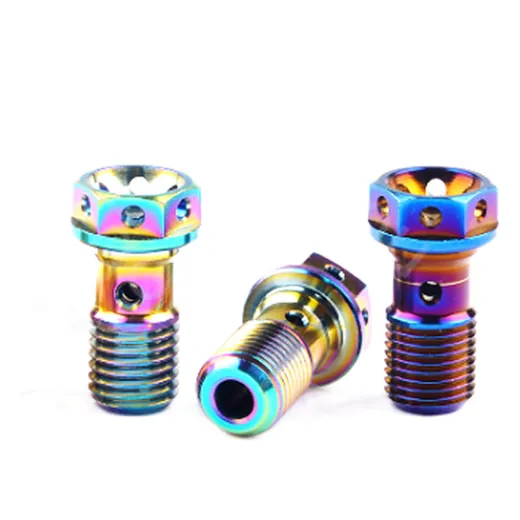
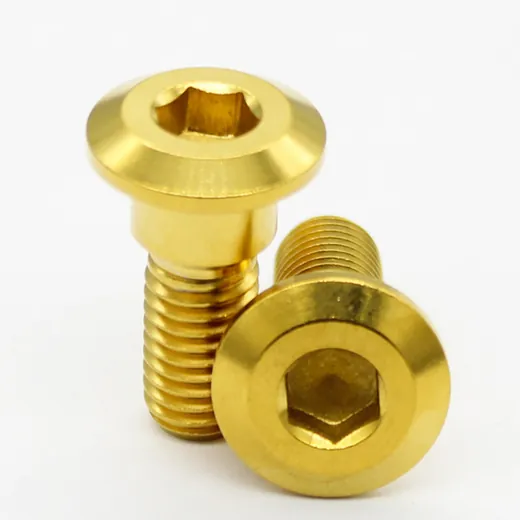
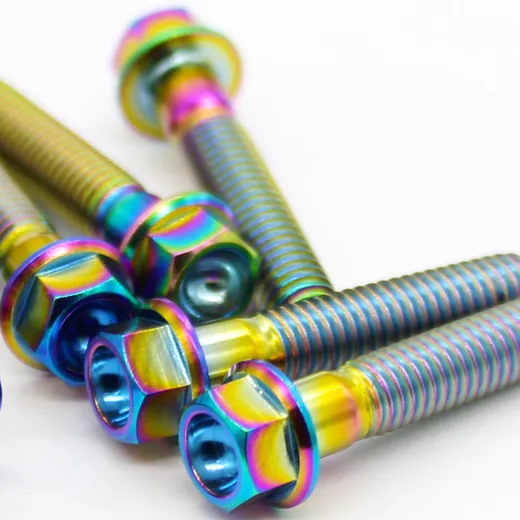
We produce blue, purple, gold, green and rainbow. Because the colour is a function of oxide thickness, shades sit on a predictable sequence, and a rainbow finish is simply a controlled variation across the part.
PVD is a deposited coating rather than an oxide layer, and it opens colours anodising cannot reach. We offer black, gold, rainbow and burnt. PVD is harder and more wear resistant, and is often chosen for parts that see repeated tool contact.
Anodised colour does not fade with UV and does not chip. It can change where a socket rubs the same face repeatedly, because the oxide layer is thin. PVD stands up better to that kind of abrasion.
Colour is easiest to match when the bolts, nuts and washers are processed together. If you are building a fastener kit, order the whole set from one batch rather than adding pieces later.
FAQ
Related Products
Tell us the application and we will recommend the grade, standard and finish.