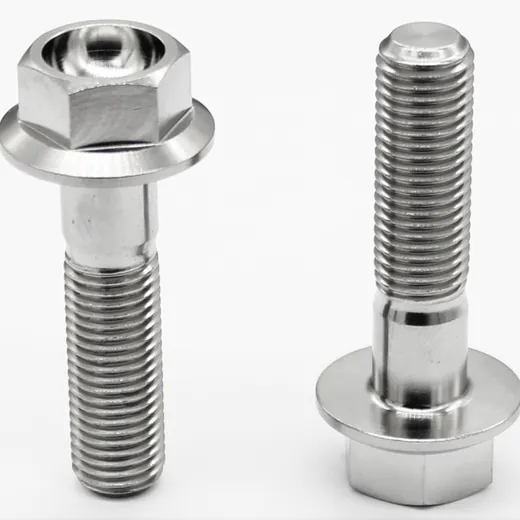
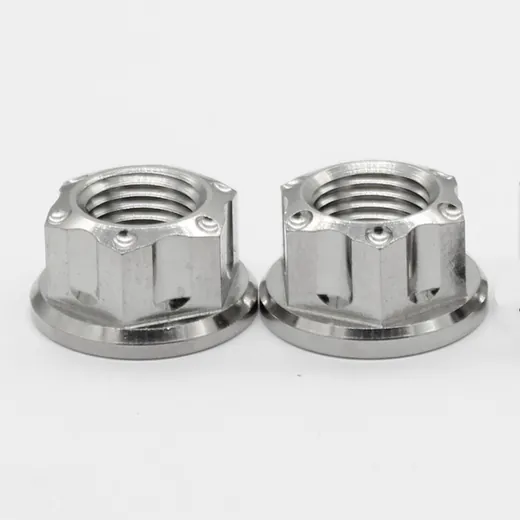
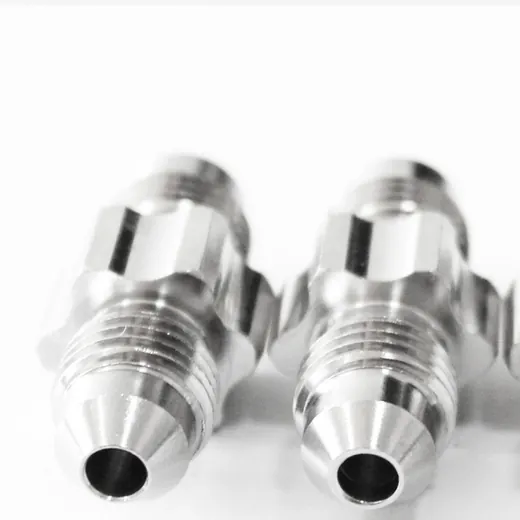
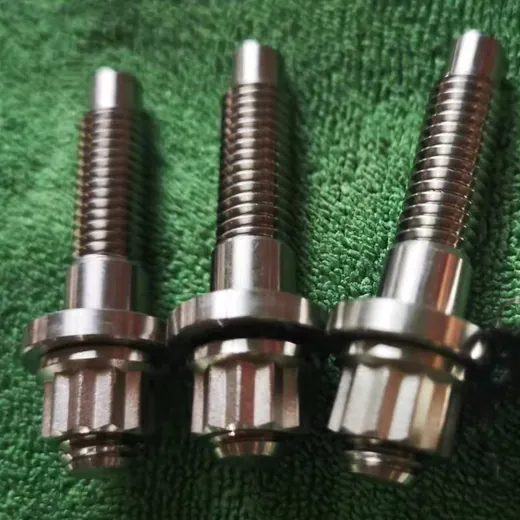
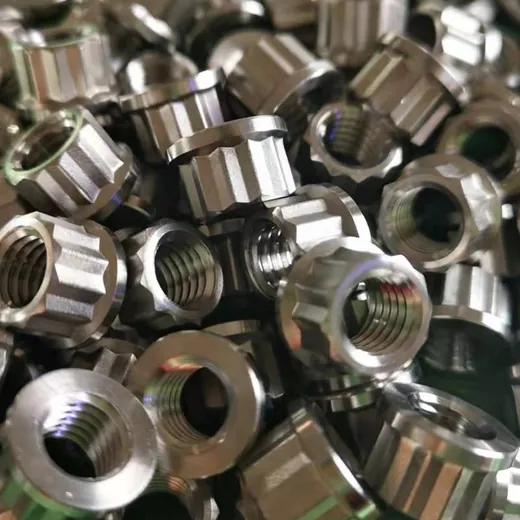
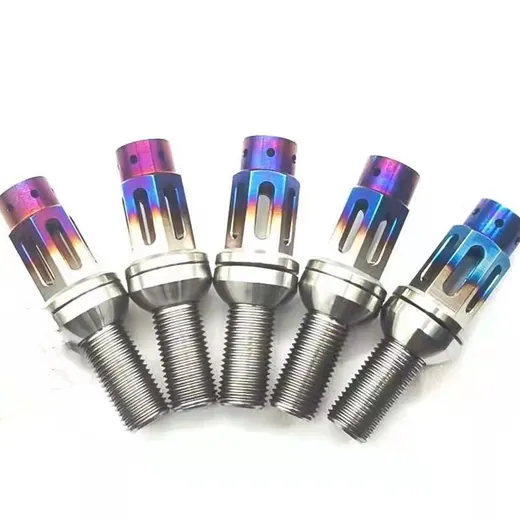
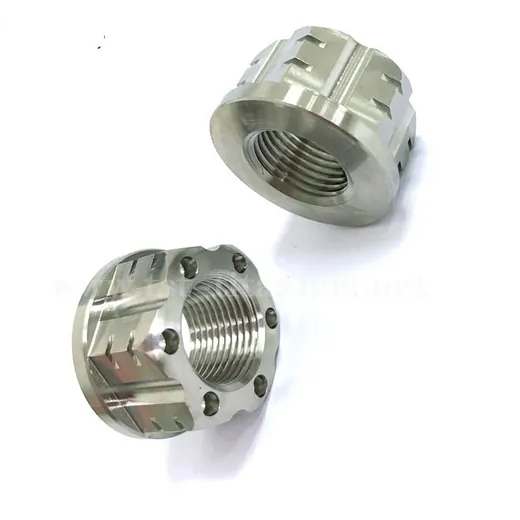
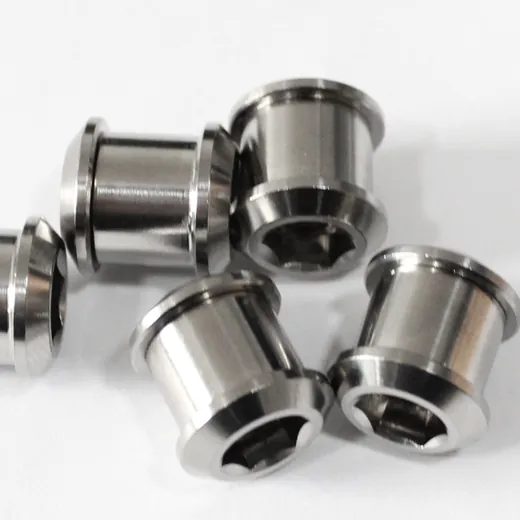
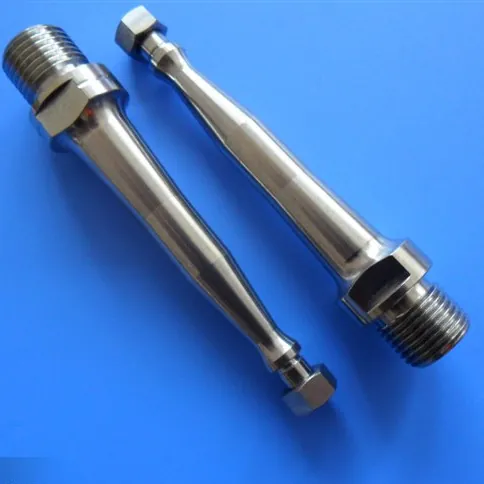
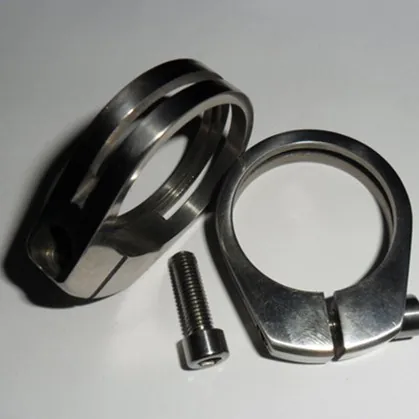
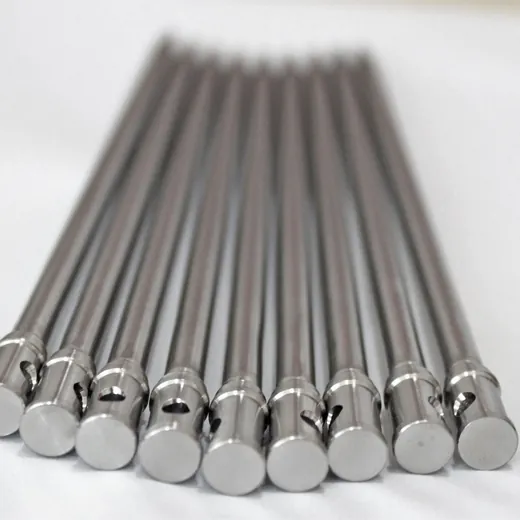
Titanium Alloy Parts & Fasteners
Titanium Alloy Parts & Fasteners
Titanium Alloy Parts & Fasteners
Industry · Nitinol Shape Memory Wire
How nickel-titanium archwires are used in orthodontic treatment, and what the treatment sequence looks like.
Orthodontic archwires are one of the oldest commercial uses of nickel-titanium shape memory alloy: the wire returns steadily toward its set shape, which is exactly the behaviour tooth movement needs.
A conventional steel wire delivers a large force that decays quickly as the teeth move. A shape memory alloy wire keeps working toward its remembered shape over a much longer stroke, which gives a steadier force over the treatment interval.
Treatment begins with a consultation to develop a correction plan, including the choice of bracket material — ceramic brackets are transparent, steel brackets are the conventional option. Comparing several practices is normal before committing.
X-ray images of the teeth and skull are taken to see how the teeth and bone are developing, so an accurate correction method can be planned. A quick-setting impression is taken to make a model of the teeth, and photographs are taken from several angles for later comparison.
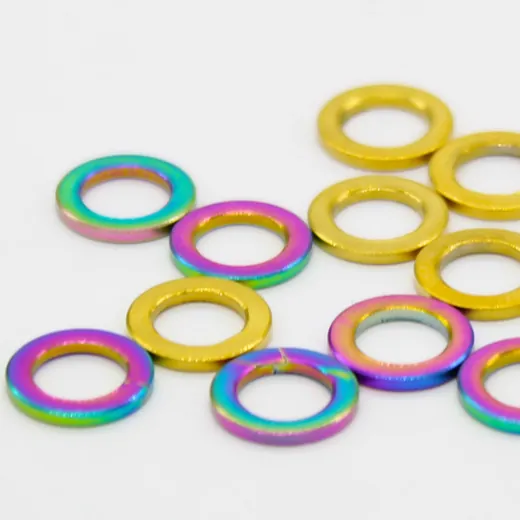
Depending on the plan, teeth may be extracted in batches — around four is typical, more in dense or wisdom-tooth cases. Spacing rings are placed between teeth for roughly a week to open the gap so the bands for the fixed appliance can be seated.
Brackets are fitted and reviewed at roughly monthly intervals. Alignment usually starts to show within about a month and is largely arranged by around six months, after which elastics are used to close remaining spaces. The elastics are removed while eating.
Once the bite closes and the midline is symmetrical, the appliance comes off. Retention is not optional — retainers are typically worn full time for the first six months and at night afterwards.
FAQ
Related Products
Tell us the application and we will recommend the grade, standard and finish.