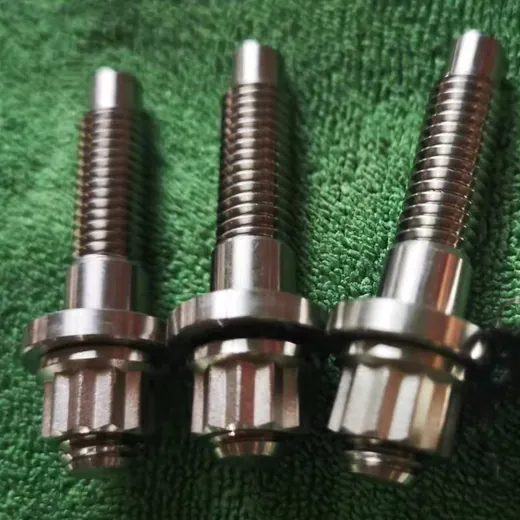
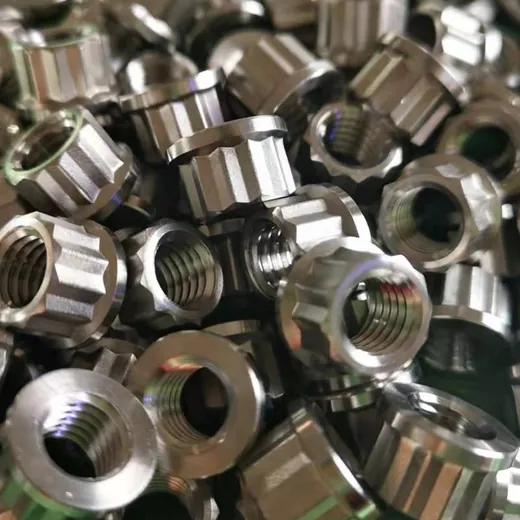
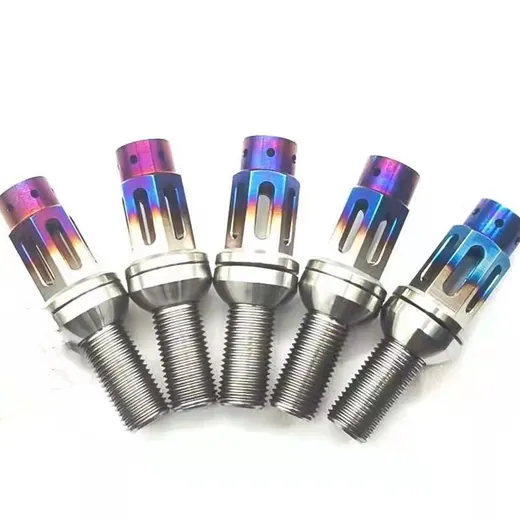
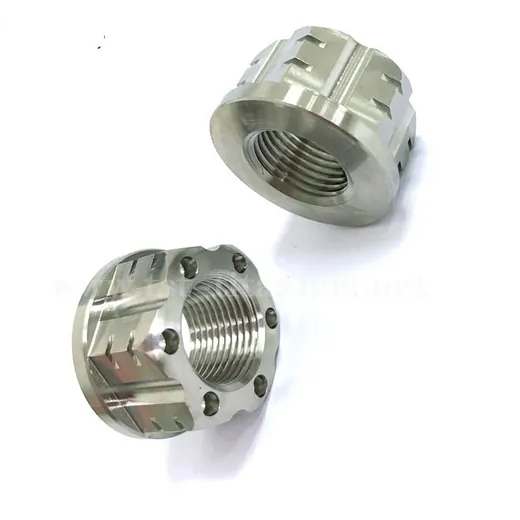
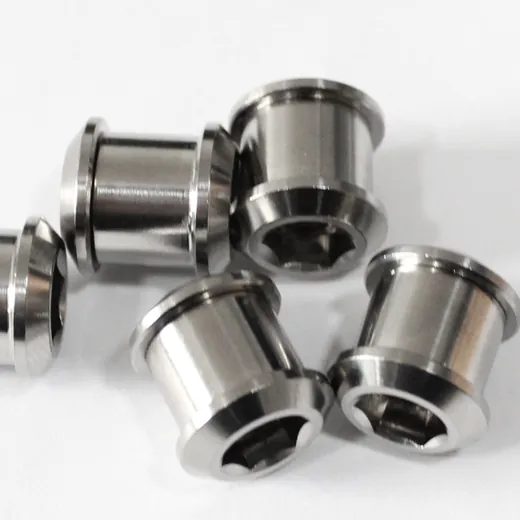
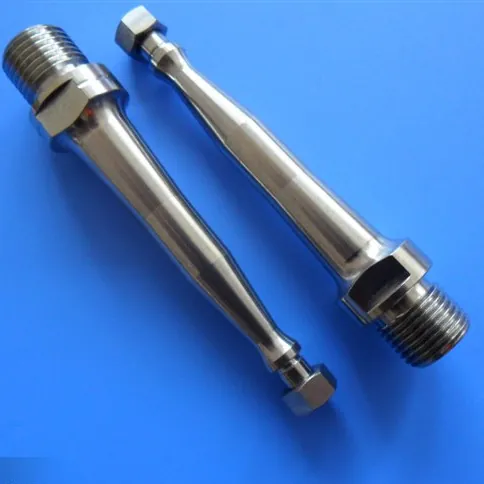
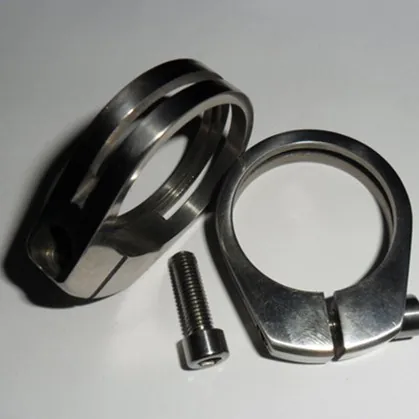
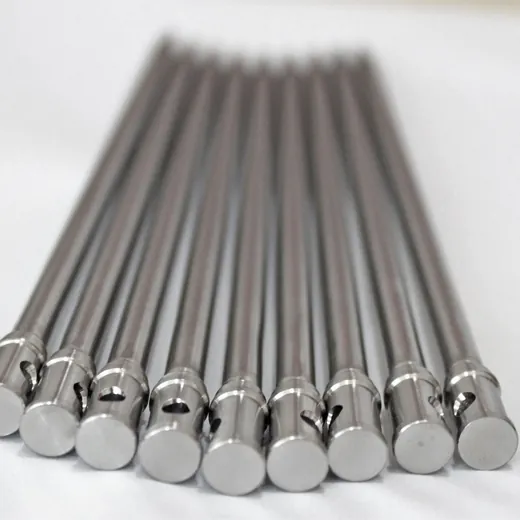
Titanium Alloy Parts & Fasteners
Titanium Alloy Parts & Fasteners
Titanium Alloy Parts & Fasteners
Industry · Nitinol Shape Memory Wire
Market size, growth and the industries pulling on nickel-titanium shape memory alloy demand.
Shape memory alloys are materials made of two or more metal elements that show a shape memory effect through thermoelastic martensitic transformation and its reversal.
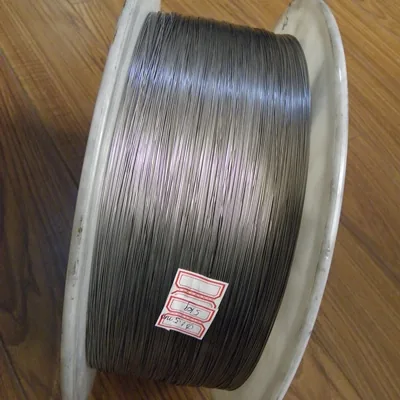
A 2018 global and China shape memory alloy industry report put the global market at US$10.62 billion in 2017, with an expected US$18.97 billion by 2022 — an annual growth rate of about 12.3%. Growth is attributed to rising demand from biomedical, aerospace, defence, consumer electronics and home appliance industries.
Shape memory alloys offer pseudo-elasticity, the shape memory effect and high damping. Those three characteristics are what drive demand in medical implants and electronic applications.
The market divides into nickel-titanium, copper-based and iron-manganese-silicon alloys. Nitinol held the leading share in 2017 and was expected to keep the highest growth rate through 2022. It is used mainly in implantable medical devices, surgical instruments and automotive actuators.
Shape memory alloys appear in cardiovascular and endoscopic stents, orthopaedic screws and wires and dental archwires, as well as automotive actuators, aircraft and electronic components. An ageing population, poor diet and lifestyle patterns and rising chronic disease are named as the main factors behind biomedical demand.
Named global players include ATI Specialty Alloys and Components (USA), SAES (Italy), Johnson Matthey (UK), Nippon Steel & Sumitomo Metals (Japan), Furukawa Electric (Japan), Fort Wayne Metals (USA) and Japan Seisen.
FAQ
Related Products
Tell us the application and we will recommend the grade, standard and finish.