Why Book Intervals Are Optimistic
Service intervals are written for the fuel quality, dust levels and duty cycle of the market the vehicle was designed for. A pickup working from an unpaved yard on locally stored diesel sees a different world. Fuel filters load with water and particles long before the interval expires, and oil filters fill with soot faster on an engine that idles for hours.
Signs the Fuel Filter Is Already Restricting
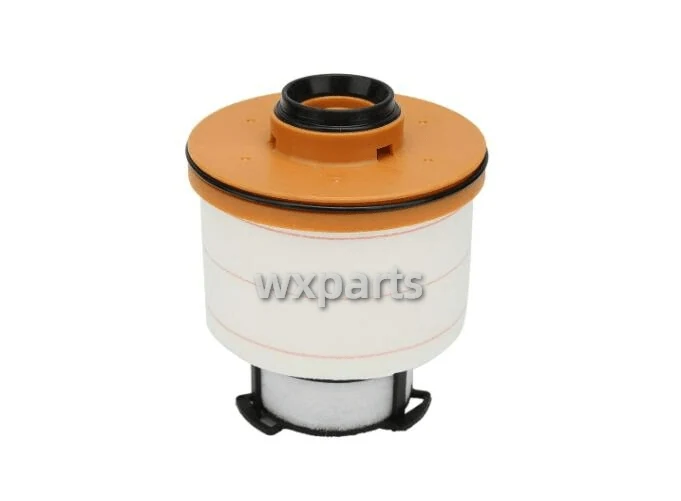
Power dropping away under load, a surge at high rpm, hard starting after the vehicle has stood overnight and a water warning light are all late signs. By the time the symptom is obvious, the injection pump has already been working on restricted flow. On common rail engines this matters more, because the injection equipment is the most expensive part of the engine.
Setting a Realistic Interval
Where fuel is stored on site or bought from informal sources, many fleets halve the book interval for fuel filters and drain the water separator at every service. Oil filters are changed at every oil change, never every second one. Delivery motorcycles running all day in traffic benefit from shorter oil and filter intervals than a private bike doing the same mileage.
What To Check While the Filter Is Off
Look at what came out. Water in the separator bowl points to the storage tank. Fine black particles in the fuel filter point to a failing lift pump or a rusting tank. Metal in the oil filter media is a warning that something in the engine is wearing, and it is worth cutting the filter open when an engine is being watched.
Stocking Filters Sensibly
Filters are the cheapest insurance in the vehicle, and they are the parts a workshop runs out of first. Ordering them against the OEM number rather than a cross reference avoids the thread and seal mismatches that cause leaks, and buying a carton at a time of the fast moving references keeps the service bay working.