Confirm It Is Really Slipping
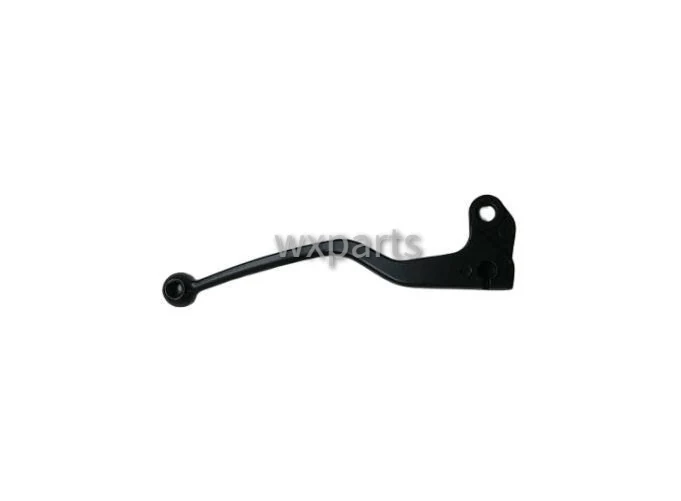
The test is simple: in top gear at low speed, open the throttle firmly. If engine speed rises faster than road speed, the clutch is slipping. A bike that only feels weak going uphill may have a fuelling or air filter problem instead, so check free play and the air filter before condemning the clutch.
Rule Out Free Play and Oil First
A cable with no free play holds the clutch partly released all the time and burns the friction plates. Set free play at the lever to the manual figure and ride again. Also check the oil: a wet clutch slips on friction modified oil intended for cars, and an overfilled engine can do the same.
Inspect the Stack, Not Just One Plate
When the cover comes off, measure friction plate thickness and check the steels for blueing. Replacing one or two plates in a worn stack gives uneven clamp and slips again quickly, which is why the friction set is replaced together. Check the clutch springs for free length while the stack is out.
Check the Basket Fingers
Notches worn into the basket fingers by the friction plate tabs will make even a new set judder and stick. Light notching can sometimes be dressed; deep notching means the basket has to be replaced or the new plates will hang up within weeks.
Reassembly That Lasts
Soak the new friction plates in clean engine oil before fitting. Torque the pressure plate bolts evenly, set free play at the lever, and ride gently for the first few kilometres so the plates bed in. On delivery bikes carrying loads all day, expect a shorter clutch life than the service schedule suggests and plan stock accordingly.