
Buying Guide
Packing Cooling System Parts for Sea Freight
Cooling parts are awkward freight: bulky, hollow and easy to crush. How they are packed decides how many arrive saleable.
The range ships to Europe, the Middle East and South America, which means a sea leg, a warehouse leg and a distribution leg before anybody opens a carton. Most transit damage in this product group traces back to packing that was designed for dense parts and then used for hollow ones.
The Volume and Weight Problem
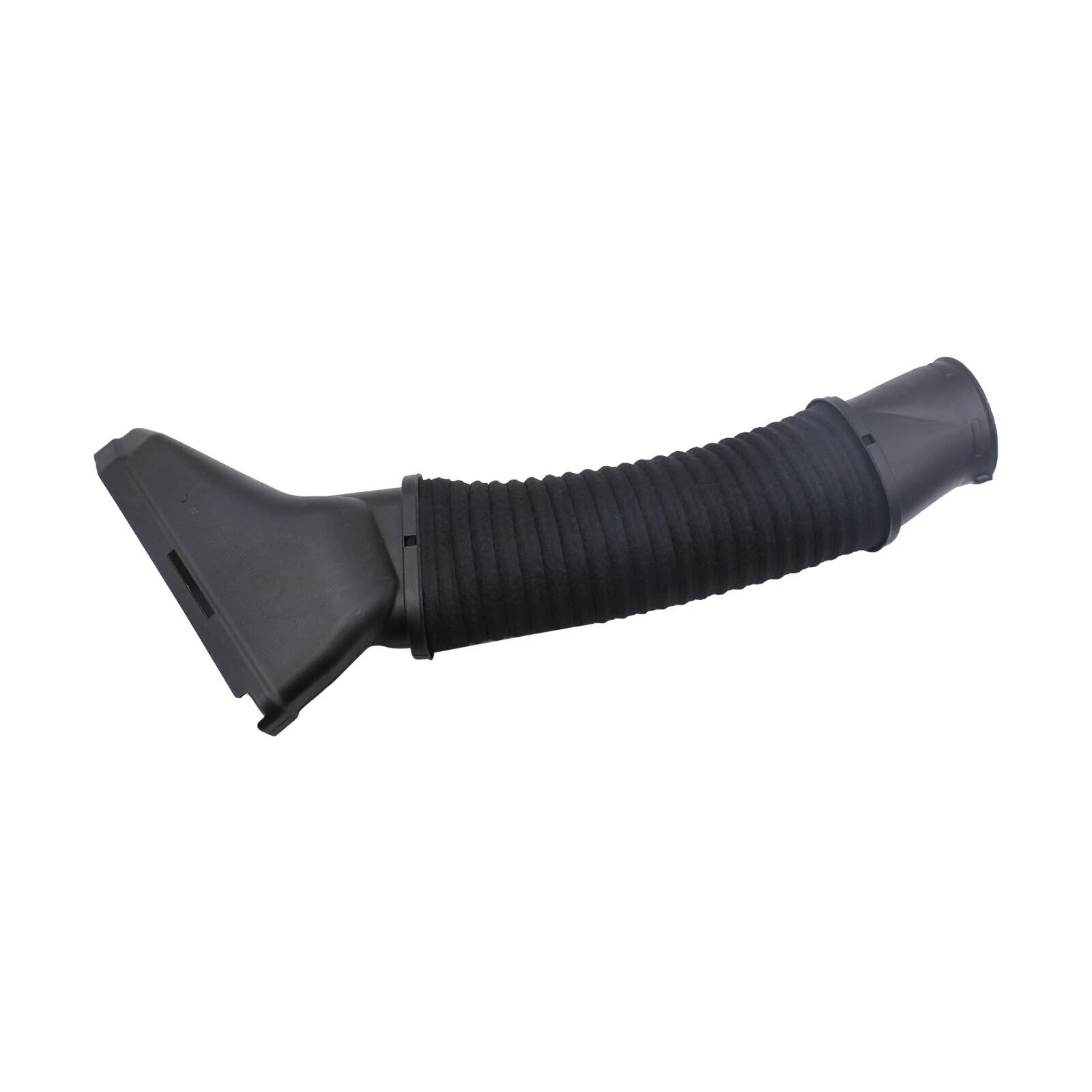
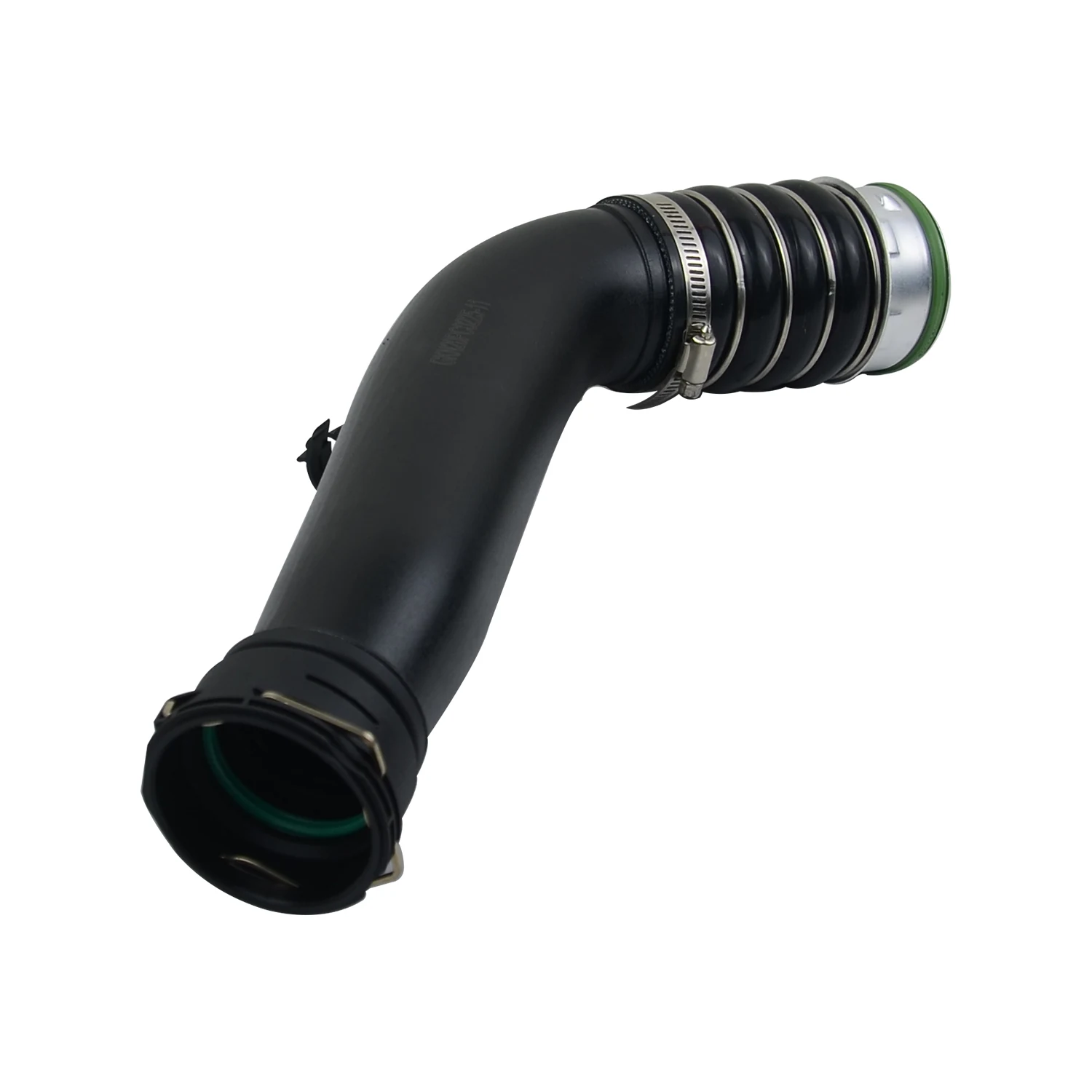
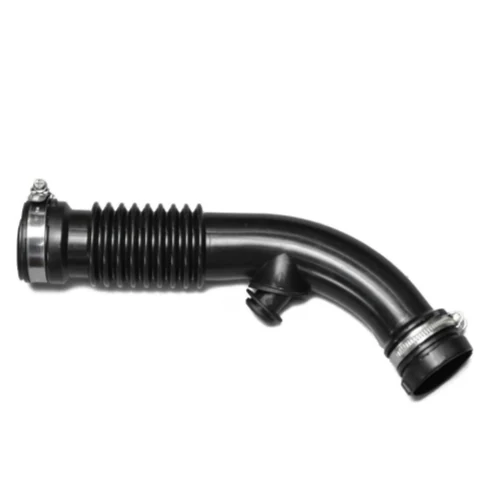
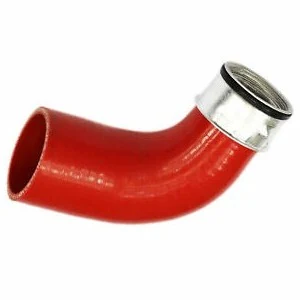
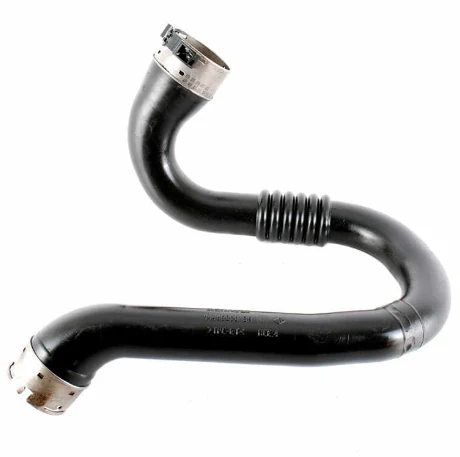
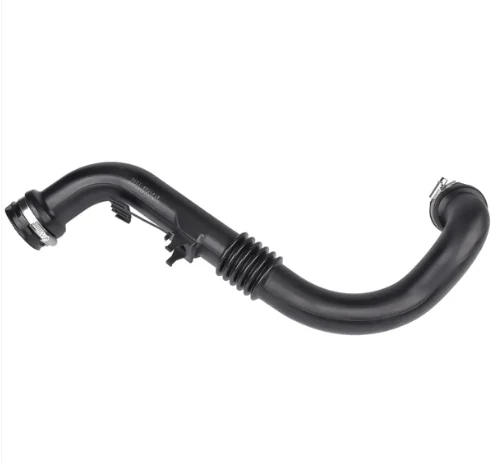
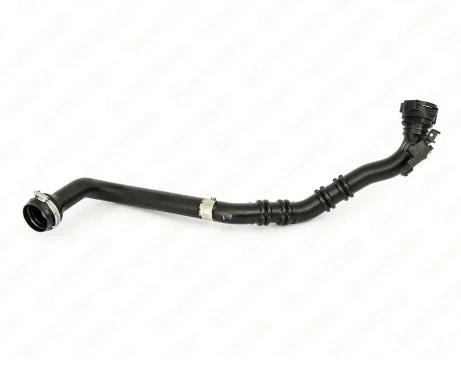
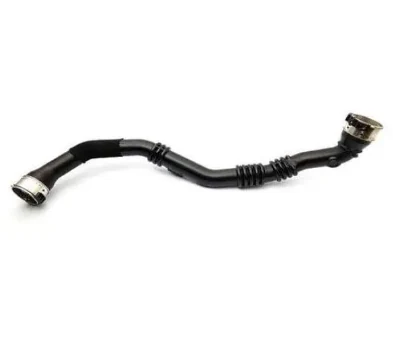
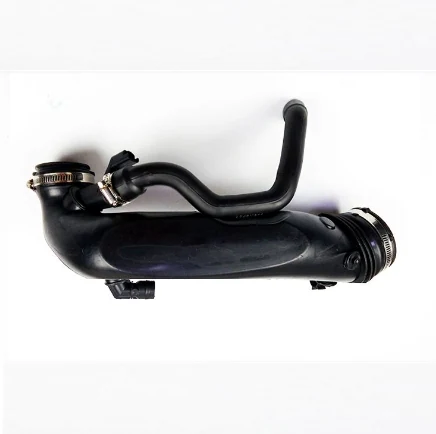
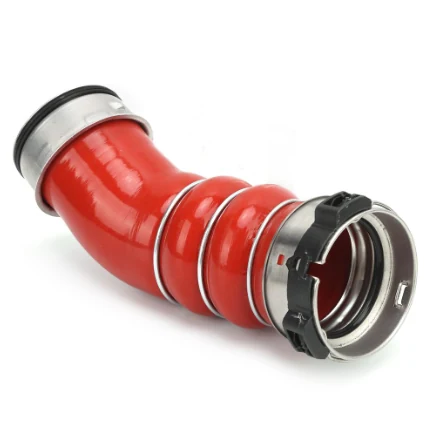
A container fills on volume long before it fills on weight when the load is intake ducts. The fix is a deliberate mix: bulky Air Intake Hoses and Pipes and Turbo and Intercooler Hoses references loaded alongside dense Thermostat Assemblies and Water Flanges items, so both limits are approached together.
Crush Is the Main Enemy
On large-bore ducts the steel helix carries the structure. Once it is deformed the duct will not hold its section under intake depression, and the damage is often invisible until the part is on the bench. Carton specification for these references is about crush resistance, not abrasion.
Protecting the Faces That Seal
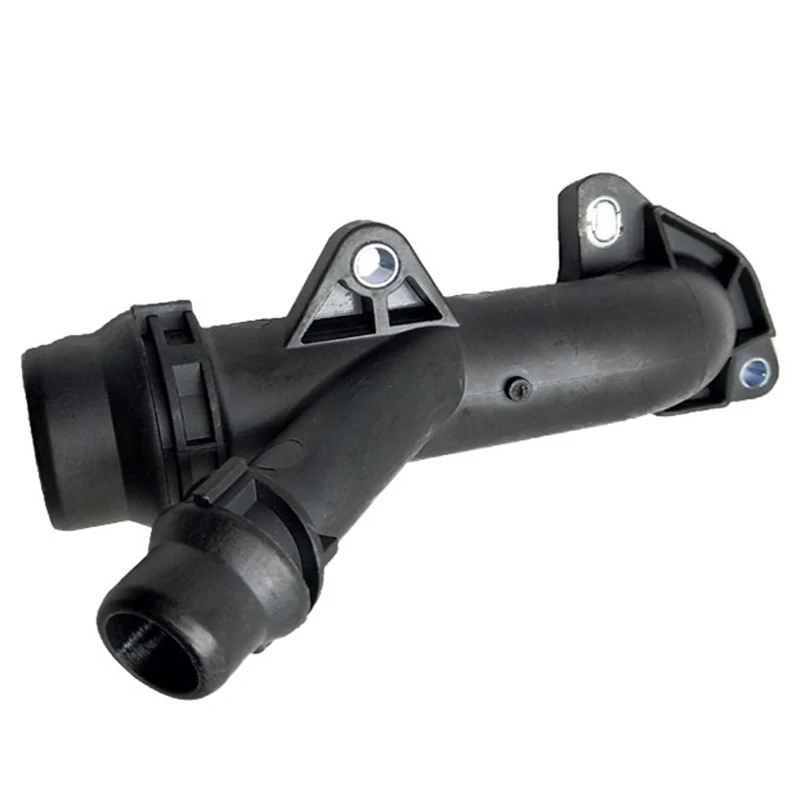
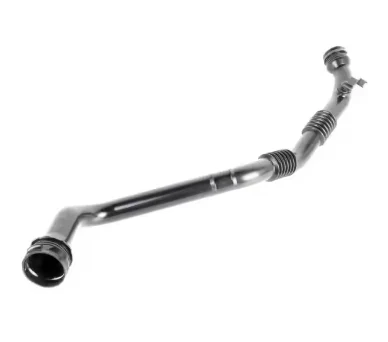
On Thermostat Assemblies and Water Flanges references the vulnerable features are the sealing faces, the sensor bosses and the seal grooves. These are small areas that decide whether the part works, and they are what inspection before despatch concentrates on.
Marking for Goods-In
- Reference on the outside —a goods-in check should never require opening the carton.
- One reference per carton where possible —mixed cartons slow down put-away more than they save in space.
- Carton counts on the quotation —so the container load can be planned before the order is placed.
- Marking agreed once —and repeated on every reorder against the same internal reference.
What to Check on Arrival
Count against the packing list
Before anything moves to the racks.
Open a sample carton per reference
Crush damage clusters by carton, not randomly.
Check sealing faces and connectors
These decide whether a part is saleable.
Store cool and dark
Rubber compounds age on the shelf, not only on the vehicle.
Packing and marking are agreed per order —see packing and labelling and container consolidation.
Related products
References Discussed Here
Answers
Packing Cooling System Parts for Sea Freight —Questions
Who decides the carton specification
It is agreed per order around how the part is picked at your end. Tell us the picking process and the cartons are built to match.
Can cartons carry our own labels
Carton marking is agreed per order. Send the artwork or the data you need encoded.
What should I do if parts arrive damaged
Photograph the carton as well as the part before unpacking further, and send both with the reference. Carton-level evidence is what resolves a transit claim.
How should hoses be stored after delivery
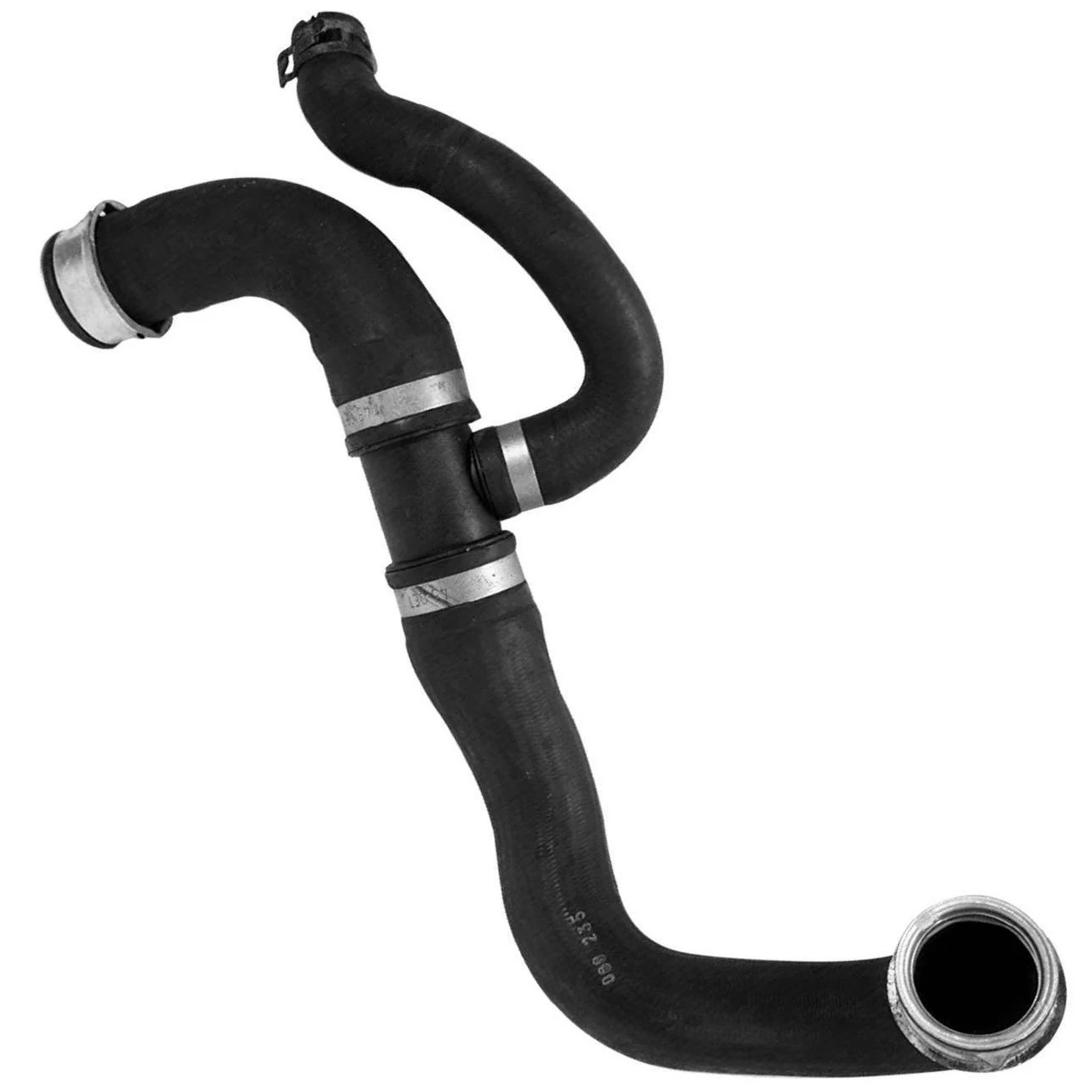
Cool, dark and flat. Heat and light age rubber compounds, and a hose stored badly for two years is not the part you bought.
Are carton counts confirmed before shipping
Yes, on the quotation, so the container load can be planned before the order is placed.
Have a Reference You Cannot Place
Email the number with the vehicle details and you get an answer rather than a catalogue link.