Mercedes-Benz
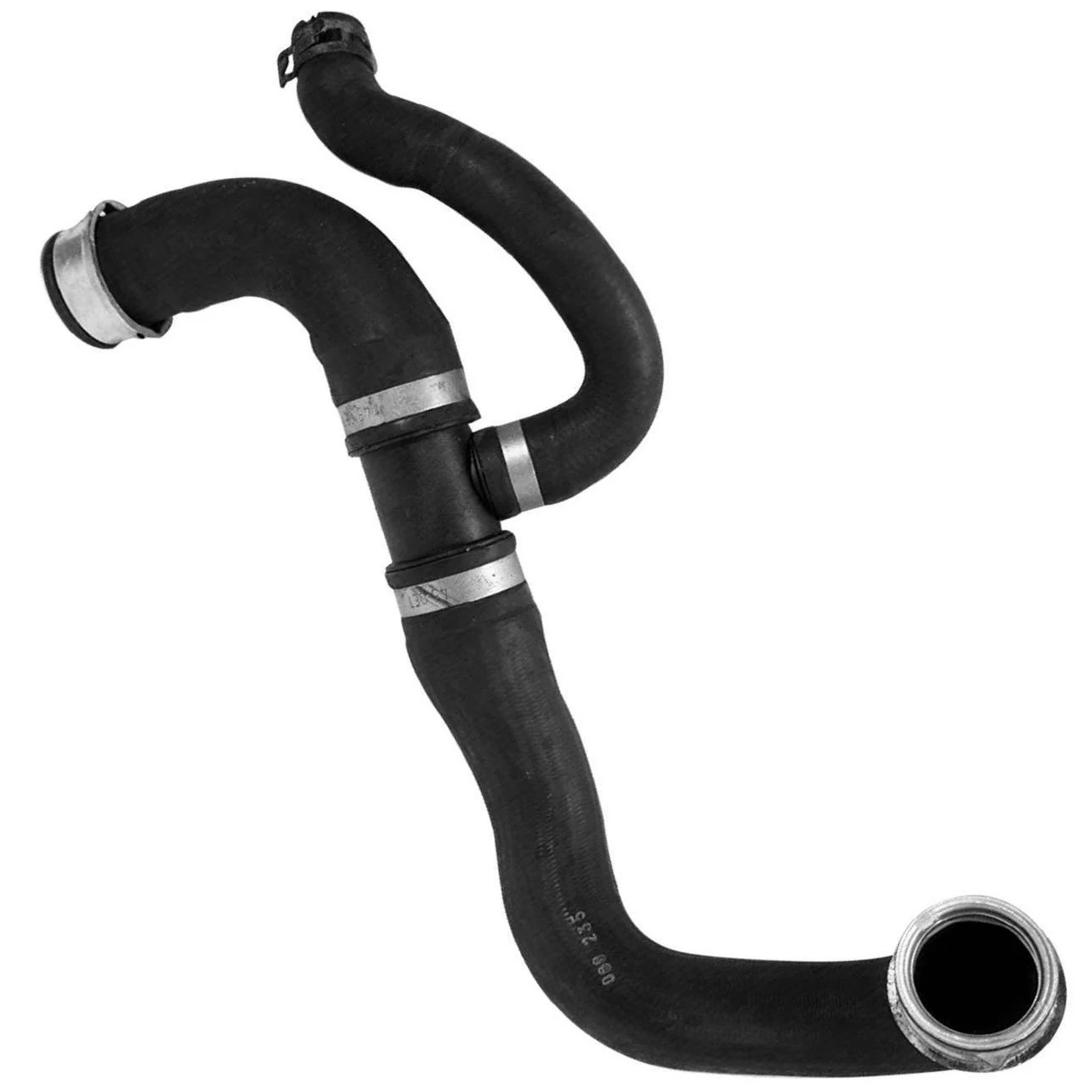
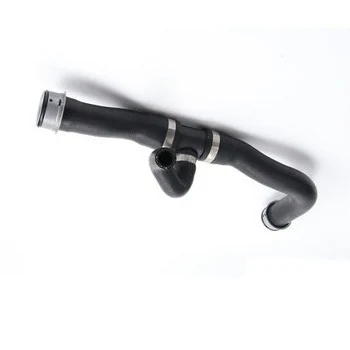
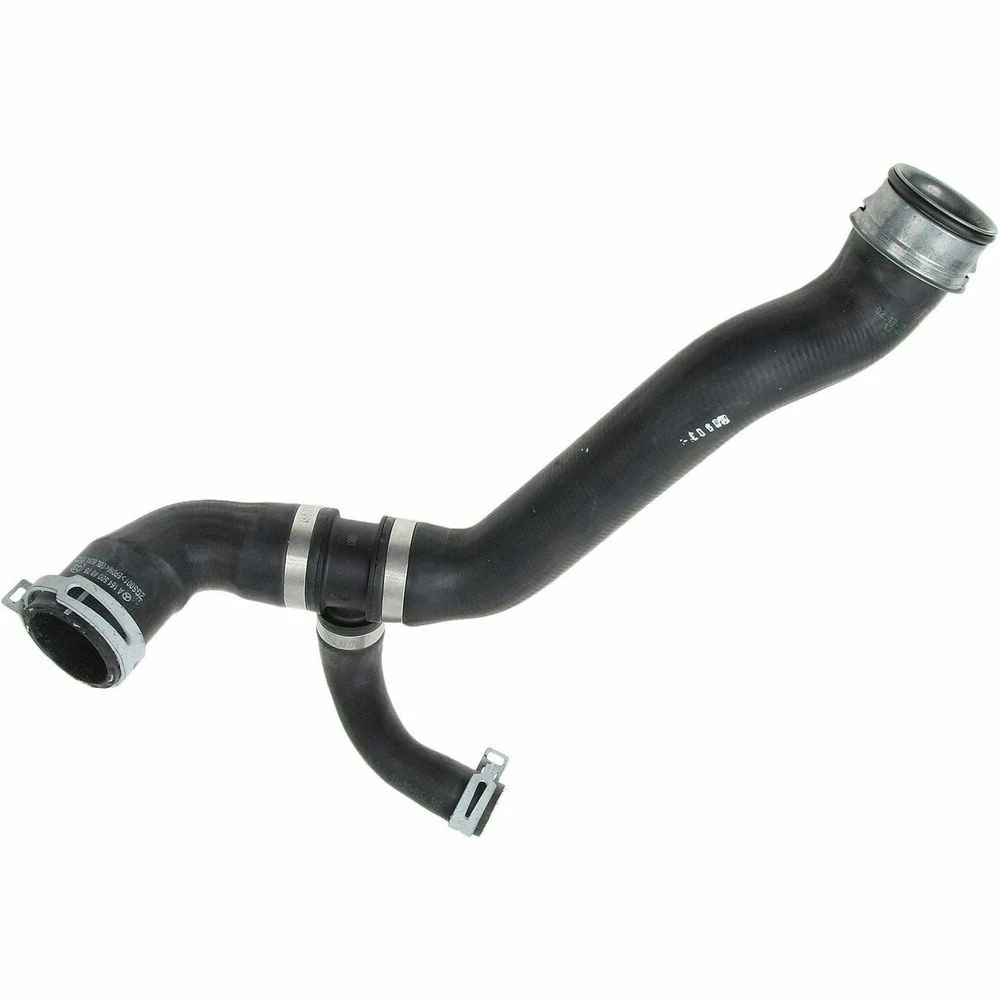
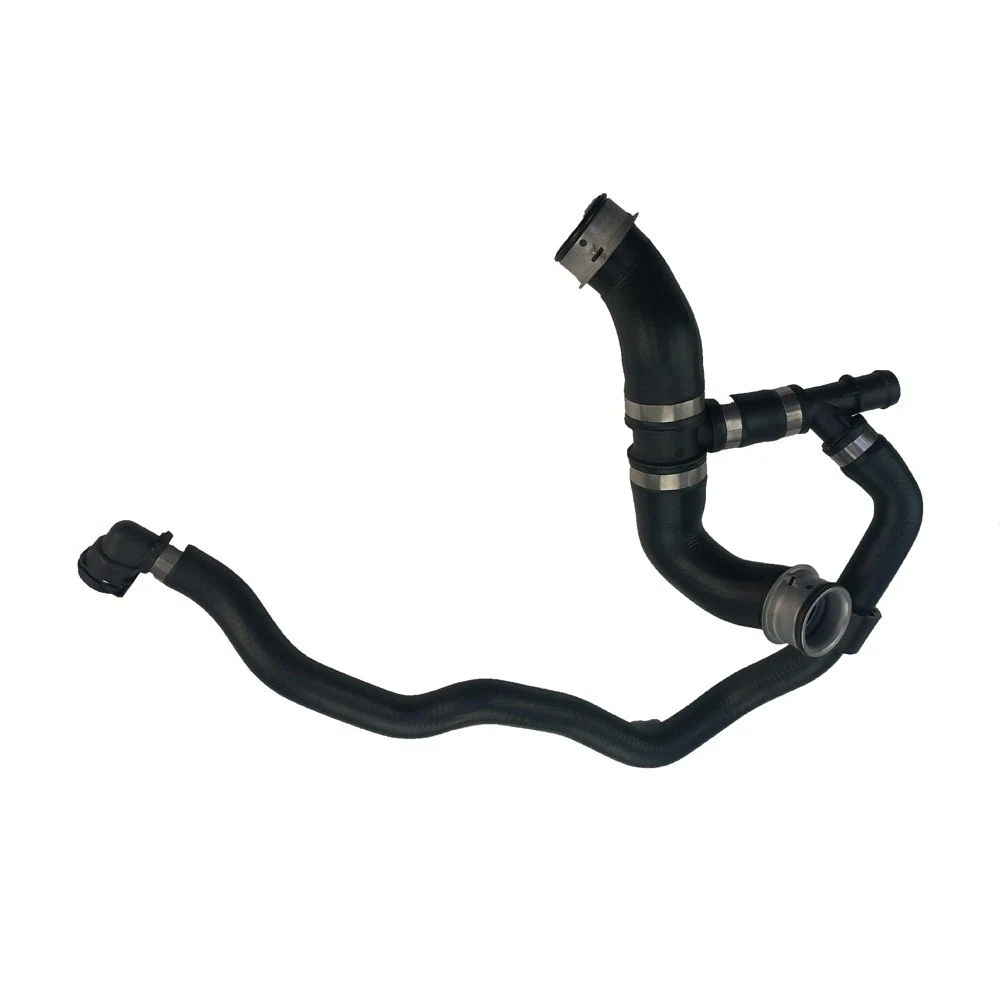
Radiator Hose Foe Mercedes-Benz OEM 2115017582

Four compounds cover almost the whole cooling system. Knowing which one belongs where saves an argument at the counter and a warranty claim later.
Two cooling parts can share an outline, a colour and a box size and still be moulded in different compounds. The compound is not cosmetic: it decides whether the part survives the circuit it sits in. Across the published range the split is roughly even between four materials, and each one exists for a specific reason.
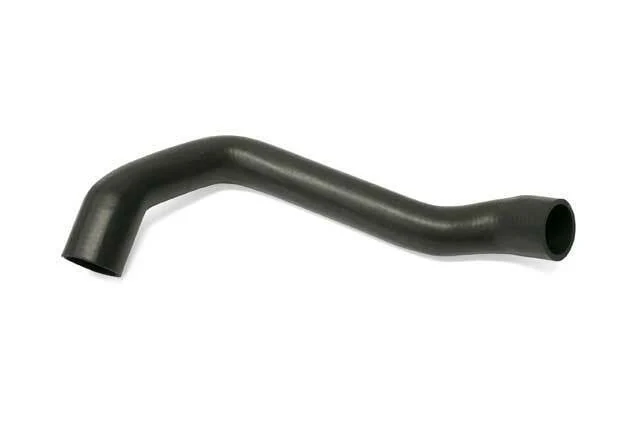
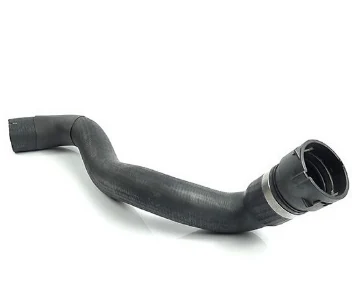
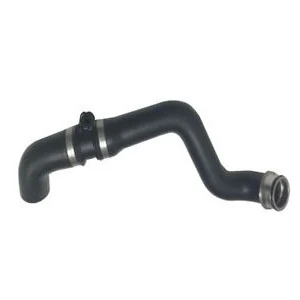
EPDM keeps its elasticity through repeated heat cycles and resists ozone, water and weathering, which makes it the workhorse wall compound for moulded engine-bay lines. That is why it dominates Radiator Hoses and Coolant Hoses. The caution is storage rather than service: EPDM hardens once it has been heat-cycled past its service window, so a replacement that has sat in a hot warehouse for years is not a bargain. A hose that has spent three summers on a hot mezzanine is already part way through its life before it reaches a vehicle.
A typical EPDM reference in the range is Radiator Hose Foe Mercedes-Benz OEM 2115017582, listed against OEM 2115017582.
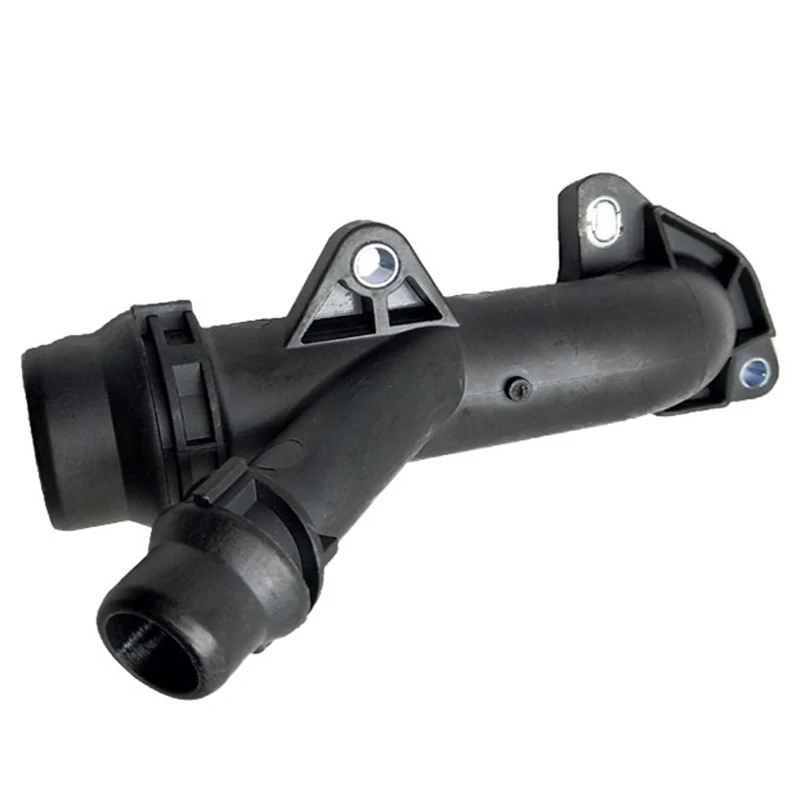
Glass-filled PA66 gives a rigid pipe that holds its shape against vibration and keeps clamp faces dimensionally stable at under-bonnet temperature. Rigid pipes, thermostat housings and Water Flanges bodies are moulded in it for that reason. The failure mode is different from rubber and worth knowing: PA66 mouldings crack rather than weep, so a hairline split can empty a coolant system quickly once it opens.
Air Intake Hose Pipe Tube F37Z9B659H for Ford Ranger is a PA66 example from the published set.
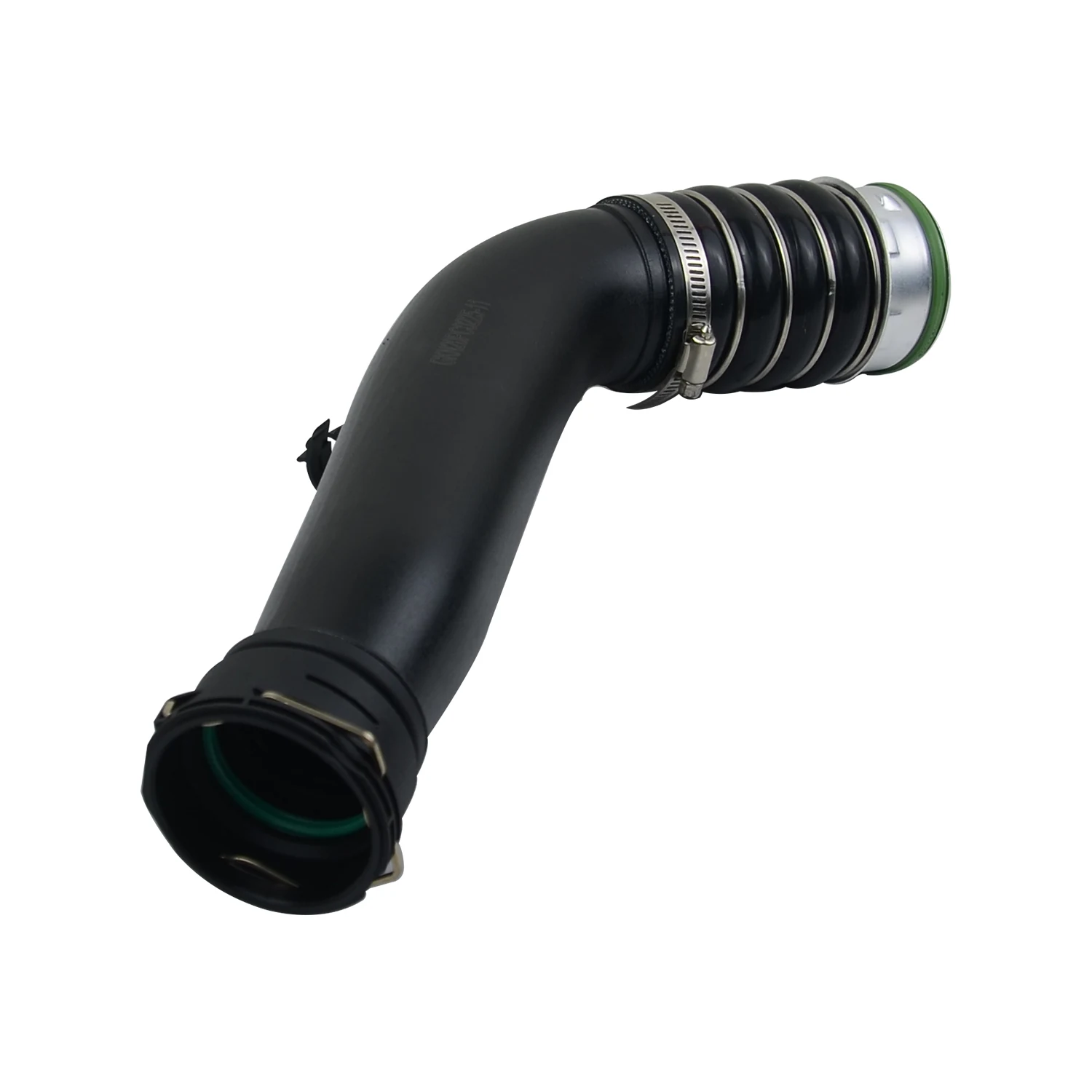
TEEE combines a flexible bellows section with rigid moulded ends, so one part can absorb engine movement and still seal on a hard spigot. It is the standard answer for intake ducts that have to move with the engine on its mounts while still sealing on a hard spigot, as on Turbo Intercooler Hose Pipe Tube 144604be2c. TPC appears on charge air runs where heat and pressure act together; TPC parts lose their grip if the clamp is over-torqued on refit, so the original clamp style matters.
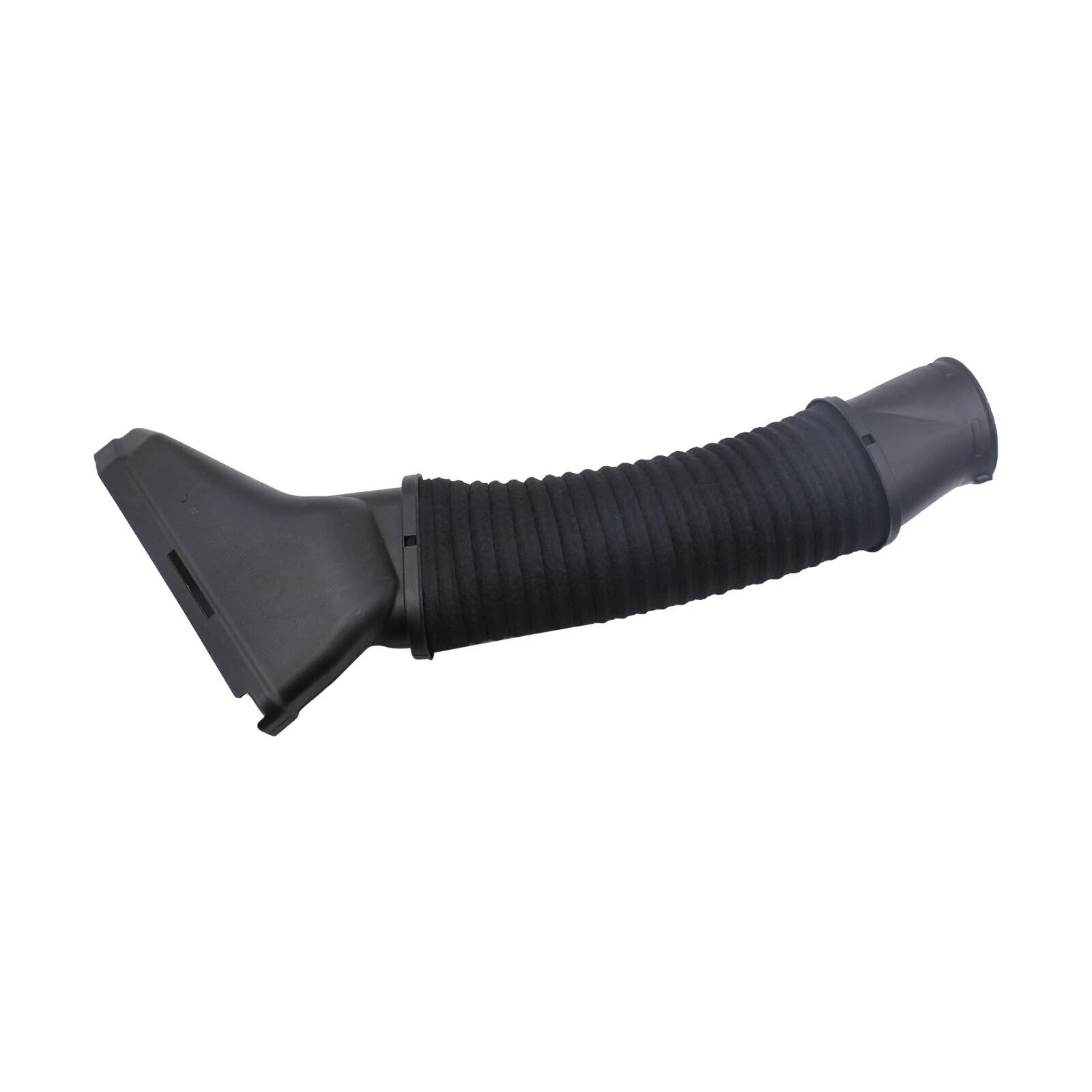
A non-woven wall over a steel helix keeps the duct open against intake depression while damping induction noise, with moulded PP or TEEE ends carrying the sealing geometry. On large-bore ducts such as Air Intake Hose Pipe for Mercedes-Benz OEM 2700900282 the steel helix is doing structural work, which changes how the part must be packed and inspected: the steel helix is what stops the duct collapsing, so any duct that has been crushed in transit should be rejected on arrival.
No. TEEE ducts carry rigid moulded ends that seal on a hard spigot and a bellows section that absorbs engine movement. An EPDM hose has neither.
Less than the tooling and the geometry do. The material is chosen by the circuit, not by the budget.
PA66 is rigid and will not deform under thumb pressure. TEEE has a flexible bellows section between rigid ends. If it flexes and recovers, it is not PA66.
Because the source catalogue does not state it for that reference. It is marked TBC rather than guessed, and confirmed on the quotation.
Not better, different. Silicone tolerates a wider temperature band, which matters close to the turbo housing. On coolant duty EPDM is the standard choice.
Email the number with the vehicle details and you get an answer rather than a catalogue link.