
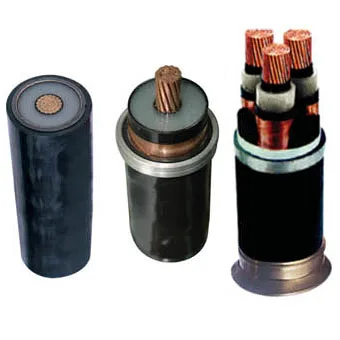
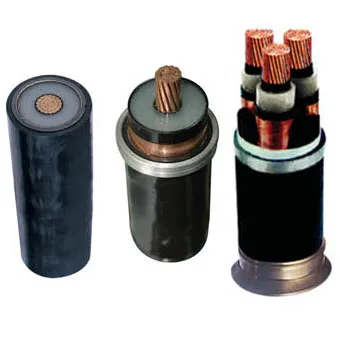
XLPE Cable
Cross linked polyethylene insulated power cable with published current ratings
Product Overview
Cross linked polyethylene is a thermoset insulation: the cross linking locks the polymer chains so the material holds its form at temperatures where PVC would soften. The practical result is a higher permitted conductor operating temperature, and therefore more current in the same cross section - which is why XLPE is the default for feeder runs where cable size drives the cost.
Key Benefits
- Higher permitted operating temperature than PVC, so more current in the same size
- Published current capacity tables for copper and aluminium conductors
- Ratings given for installation in air and direct in soil
- Flame retardant versions available with the same electrical properties
Problems It Solves
- Cable sized for current without the correct derating for the installation conditions
- PVC insulation limiting the current available from a given cross section
- Flame retardant requirements met by guessing at a category
Application Scenarios
- Underground feeder runs from substation to load
- Medium voltage distribution cable installations
- Industrial plant power distribution
- Installations where a flame retardant category is specified
Who It Is For
- Project buyers specifying feeder cable
- Electrical design engineers sizing runs
- EPC contractors on substation and plant projects
- Industrial electrical contractors
Technical Features
- Cross linked polyethylene insulation
- Copper or aluminium conductor constructions
- Rated for installation in air and direct in soil
- Flame retardant versions comply with category A B and C bunched burning per GB1266-90, equivalent to IEC332-3
Specifications
| Product Family | Cable & Wire |
|---|---|
| Insulation | Cross linked polyethylene (XLPE) |
| Conductor | Copper or aluminium |
| Voltage Levels In Rating Tables | 3.6/6(7.2) to 12/20(24) kV and 18/30(36) to 26/35(40.5) kV |
| Flame Retardant Categories | ZRA, ZRB and ZR types to categories A, B and C |
| Rating Conditions | 40C ambient in air; soil thermal resistivity 100C cm/w |
Current Capacity in Air - Copper Conductor
| Nominal Cross-sectional Area mm2 | 3.6/6(7.2)-12/20(24) kV A | 3.6/6(7.2)-12/20(24) kV A | 18/30(36)-26/35(40.5) kV A | 18/30(36)-26/35(40.5) kV A | 6/6(7.2)-12/20(24) kV A |
|---|---|---|---|---|---|
| 25 | 140 | 165 | - | - | 120 |
| 35 | 170 | 205 | - | - | 140 |
| 50 | 205 | 245 | 220 | 245 | 165 |
| 70 | 260 | 305 | 270 | 305 | 210 |
| 95 | 315 | 370 | 330 | 370 | 255 |
| 120 | 360 | 430 | 375 | 425 | 290 |
| 150 | 410 | 490 | 425 | 485 | 330 |
| 185 | 470 | 560 | 485 | 555 | 375 |
| 240 | 555 | 665 | 560 | 650 | 435 |
| 300 | 640 | 765 | 650 | 745 | 405 |
| 400 | 745 | 890 | 760 | 870 | - |
| 500 | 855 | 1030 | 875 | 1000 | - |
| 630 | 980 | 1190 | 1000 | 1160 | - |
Ratings apply at 40C ambient in air with soil thermal resistivity 100C cm/w. Apply derating factors where your installation differs.
Current Capacity in Air - Aluminium Conductor
| Nominal Cross-sectional Area mm2 | 3.6/6(7.2)-12/20(24) kV A | 3.6/6(7.2)-12/20(24) kV A | 18/30(36)-26/35(40.5) kV A | 18/30(36)-26/35(40.5) kV A | 6/6(7.2)-12/20(24) kV A |
|---|---|---|---|---|---|
| 25 | 110 | 130 | - | - | 90 |
| 35 | 135 | 155 | - | - | 110 |
| 50 | 160 | 190 | 170 | 190 | 130 |
| 70 | 200 | 235 | 210 | 235 | 165 |
| 95 | 245 | 290 | 255 | 285 | 200 |
| 120 | 280 | 335 | 290 | 330 | 225 |
| 150 | 320 | 380 | 330 | 375 | 255 |
| 185 | 365 | 435 | 380 | 430 | 295 |
| 240 | 435 | 515 | 435 | 505 | 345 |
| 300 | 500 | 959 | 510 | 580 | 390 |
| 400 | 585 | 695 | 595 | 680 | - |
| 500 | 680 | 810 | 690 | 790 | - |
| 630 | 790 | 950 | 800 | 920 | - |
Ratings apply at 40C ambient in air with soil thermal resistivity 100C cm/w. Apply derating factors where your installation differs.
Materials
- Copper or aluminium conductor
- XLPE insulation
- Flame retardant PVC inner covering and sheath on flame retardant types
Manufacturing Process
- Conductor stranding
- Insulation extrusion and cross linking
- Inner covering and sheathing
- Electrical testing
- Drum winding and marking
Customisation Options
- Conductor material and cross section selected against your current and derating requirements
- Flame retardant category specified against the project requirement
- Drum lengths planned against the run schedule
Compared With Other Options
| PVC insulated cable | PVC softens at lower temperature, so it carries less current in the same cross section. It remains the volume product for building wiring where that ceiling is never reached. |
|---|---|
| Armoured cable | Armour adds mechanical protection and an earthed metallic path. It is specified on top of the insulation choice, not instead of it. |
Use Guide
- Read the rating table at the conditions it was produced for - 40C in air, soil thermal resistivity 100C cm/w
- Apply derating factors where your ambient grouping or installation method differs
- Compare the copper and aluminium tables before fixing on a conductor material
- Plan drum lengths against the run schedule rather than cutting on site
Related Products
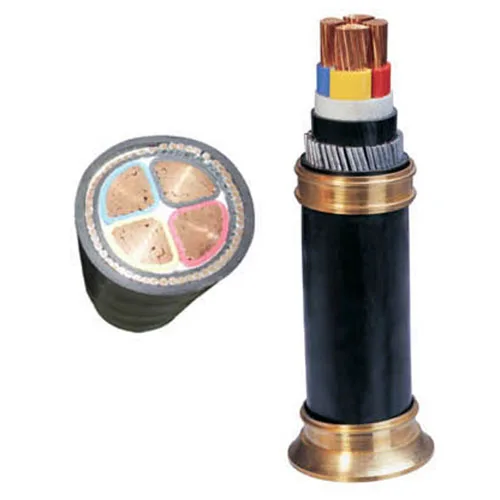
Armoured Cable
Steel wire armoured cable for direct buried and mechanically exposed runs
View details →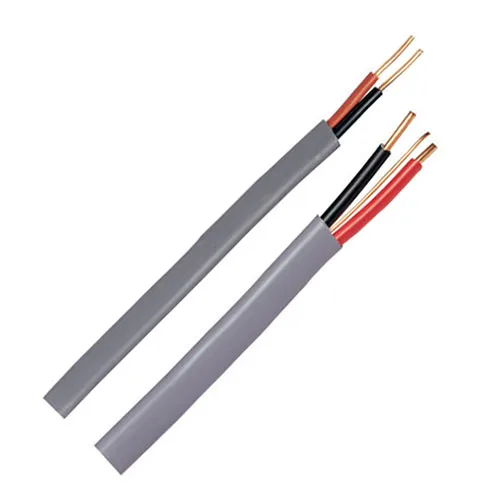
BVV PVC Insulated Non-Flexible Round Cable
Solid conductor PVC insulated and sheathed round cable for fixed installation
View details →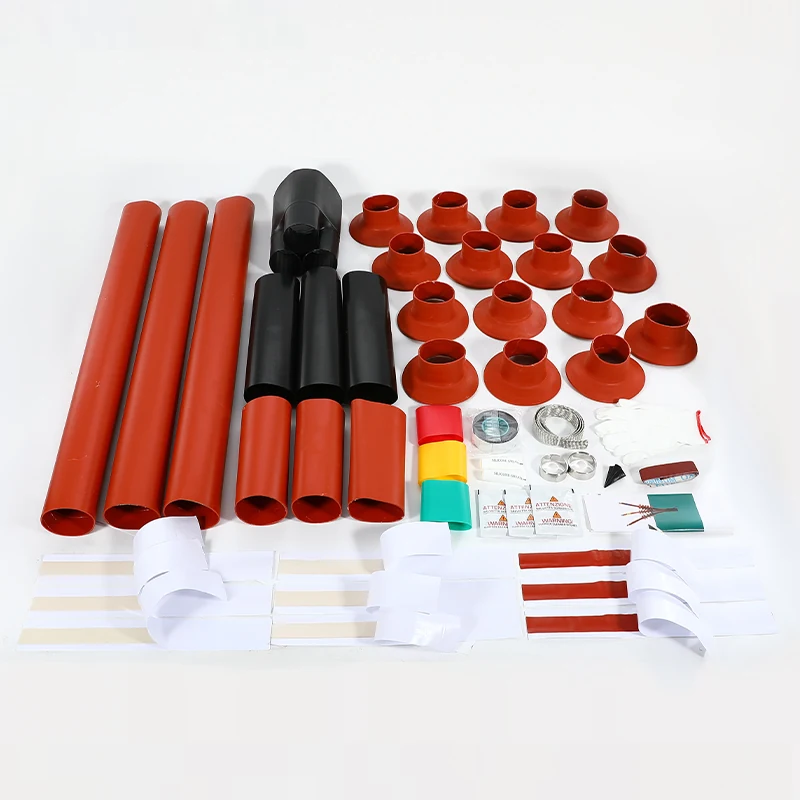
Cable Accessory Set
Complete silicone accessory set for a cable termination
View details →XLPE Cable Questions
Do flame retardant types carry a different current rating
No. The electrical properties of flame retardant XLPE cable are the same as ordinary XLPE cable - the difference is the combustion behaviour under bunched burning tests.
Which categories are available
Category A covers ZRA-YJV, ZRA-YJLV, ZRA-YJV22 and ZRA-YJLV22; category B covers ZRB-YJV, ZRB-YJLV and ZRB-YJV22; category C covers ZR-YJV, ZR-YJLV and ZR-YJV22.
Can I use the published ratings directly
Only where your installation matches the stated conditions. Otherwise apply the derating factors for your ambient, grouping and installation method.
Get a Price on XLPE Cable
Send the quantity, the specification you are matching and the destination port.