
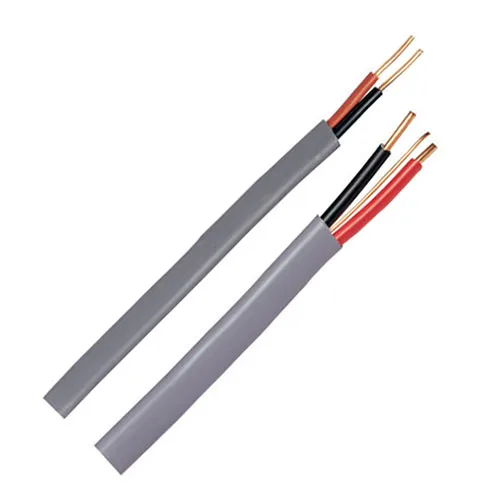
XLPE or PVC Insulated Cable Where Each One Belongs
Operating temperature sets current capacity, and that is the practical difference between the two insulations.
Thermoplastic Against Thermoset
PVC is thermoplastic - it softens as it heats. Cross linked polyethylene is thermoset: the cross linking locks the polymer chains so the material keeps its form at temperatures where PVC would deform. That single difference drives everything else about how the two are applied.
What the Temperature Rating Buys You
A higher permitted conductor operating temperature means a higher permitted current in the same cross section. In practical terms XLPE carries more current than PVC of the same size, or carries the same current in a smaller size. On a long feeder run, the smaller size is a real saving in both copper or aluminium cost and installation effort.
Reading a Current Capacity Table
Ratings are published separately for installation in air and direct in soil, and separately for copper and aluminium conductors, because heat leaves the cable differently in each case. Soil thermal resistivity and ambient temperature are stated with the table - the published figures apply at those conditions and must be derated when your installation differs.
Where PVC Is Still the Right Choice
General building wiring, panel and control wiring, and fixed installations where the load is well inside the cable rating. PVC insulated single wire and round multi-core cable remain the volume products in building distribution, and specifying XLPE there buys capacity that will never be used.
When to Add Armour
Steel wire armour protects against mechanical damage and gives the installation an earthed metallic path. Direct buried runs, cable routed where vehicles or excavation reach it, and industrial floors are the usual cases. Armour adds weight and bending radius constraints, so it is specified where the mechanical risk is real rather than as a default.
Flame Retardant Categories
Flame retardant XLPE cable has the same electrical properties as ordinary XLPE - the difference is the combustion behaviour of the sheath and inner covering under bunched burning tests. Where a project specifies a flame retardant category, it is specifying the burning performance, not a different electrical rating.
Products Referenced in This Guide
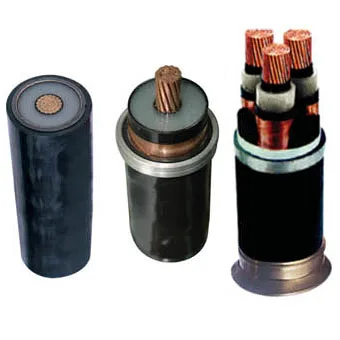
XLPE Cable
Cross linked polyethylene insulated power cable with published current ratings
View details →BVV PVC Insulated Non-Flexible Round Cable
Solid conductor PVC insulated and sheathed round cable for fixed installation
View details →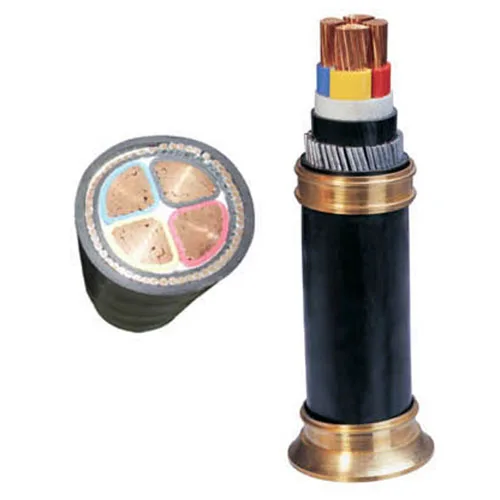
Armoured Cable
Steel wire armoured cable for direct buried and mechanically exposed runs
View details →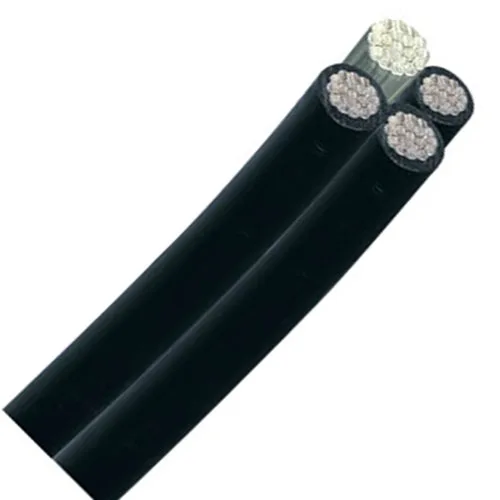
Questions About This Topic
Can I use the published current rating directly
Only when your installation matches the conditions the table was produced at - ambient temperature, soil thermal resistivity, grouping and installation method. Otherwise apply the derating factors for your actual conditions.
Is aluminium conductor cable worth considering
For larger feeder sizes it often is, at a larger cross section for the same current. The XLPE rating tables list copper and aluminium separately so the two can be compared directly.
Match This Guidance to Your Line
Send the position details, the environment and the part you are replacing.