
Disposable SpO2 Sensors Explained Sizes Materials and Use Cases
What a single-patient-use SpO2 sensor is, how long it stays on a patient, the components inside it, and where disposables beat reusable sensors.
Published 2020-08-06 by Trumor Ltd
What is a Disposable SpO2 Sensor?
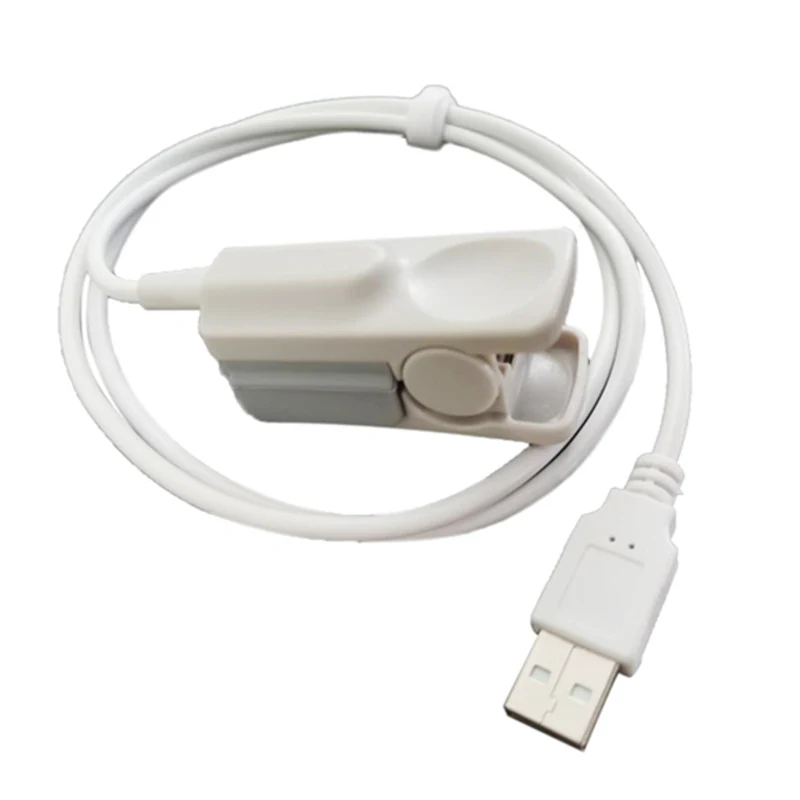
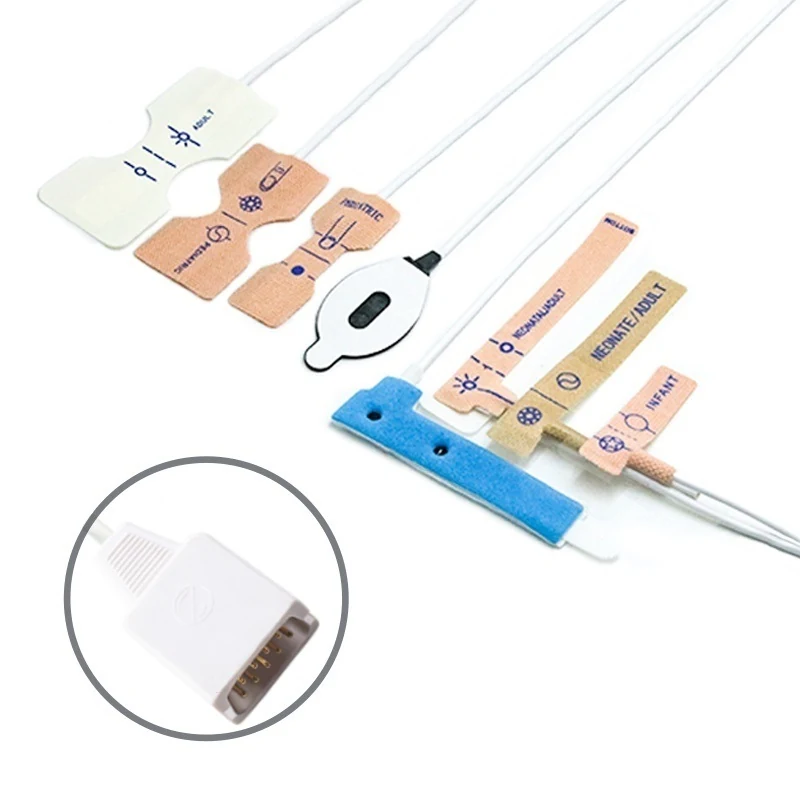
It is a single-patient-use sensor that clips onto a patient's finger, toe, or wraps around a foot or wrist to measure blood oxygen saturation (SpO2) and pulse rate. It connects via a cable to a patient monitor or portable pulse oximeter.
The key word is disposable-it is used for one patient for a limited time (typically 24-72 hours) and then discarded. This contrasts with reusable sensors, which are designed for multiple patients with proper cleaning.
Key Features & Components
Emitter and Photodetector: Contains LEDs (usually red and infrared) that shine light through the tissue, and a light sensor on the other side to detect how much light is absorbed.
Flexible Housing: Made of soft, conformable materials like foam or plastic for patient comfort.
Adhesive: Holds the sensor securely in the correct position. Adhesives are designed to be gentle on skin.
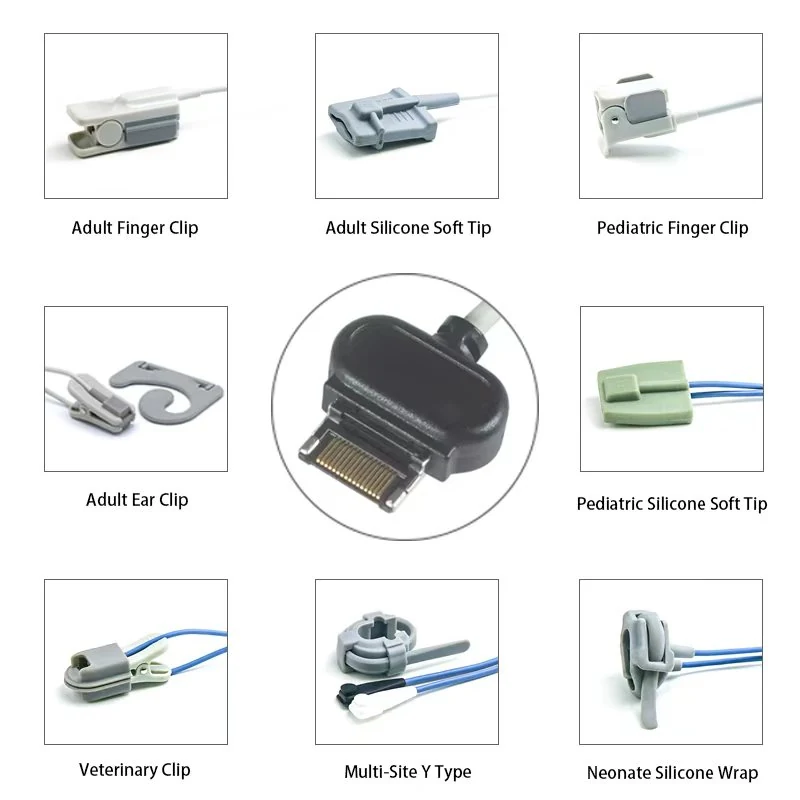
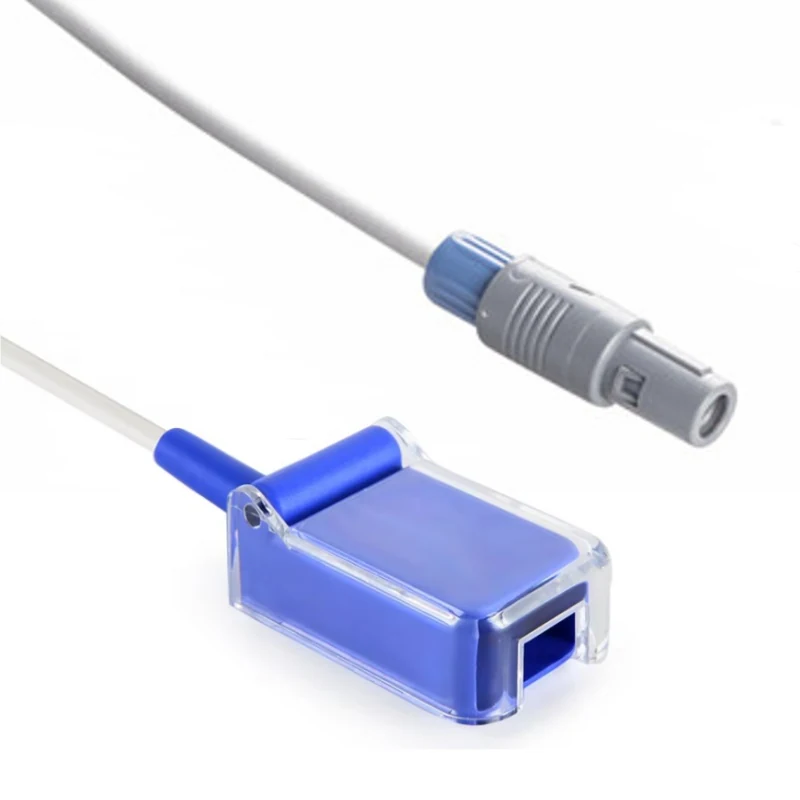
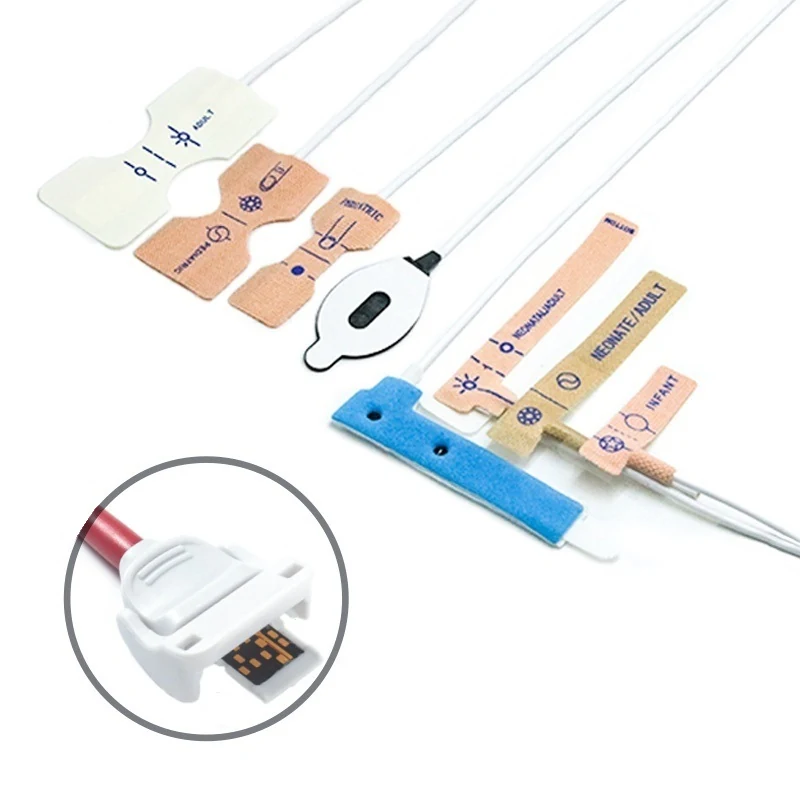
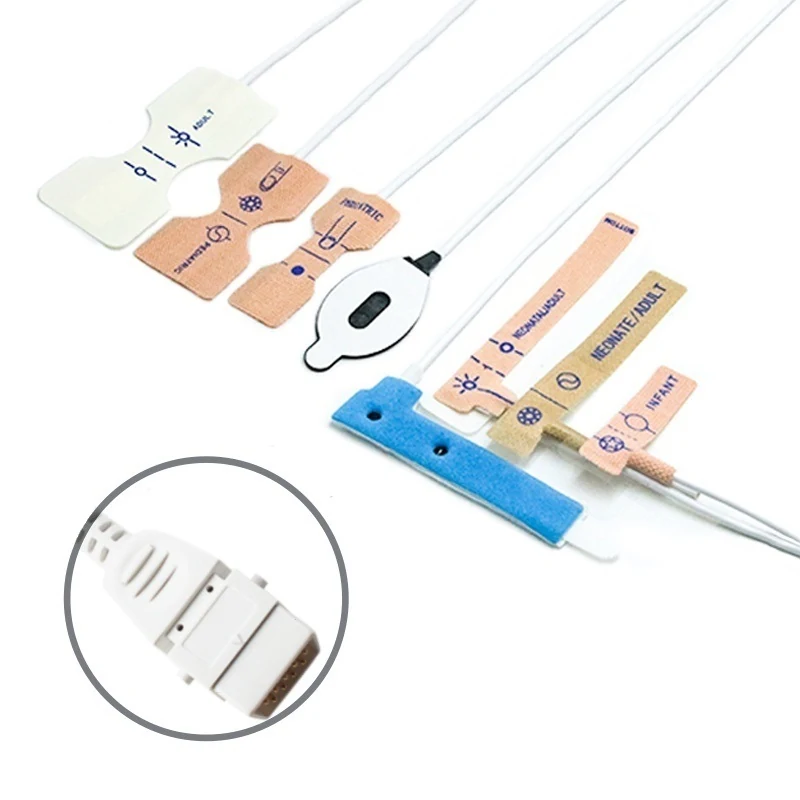
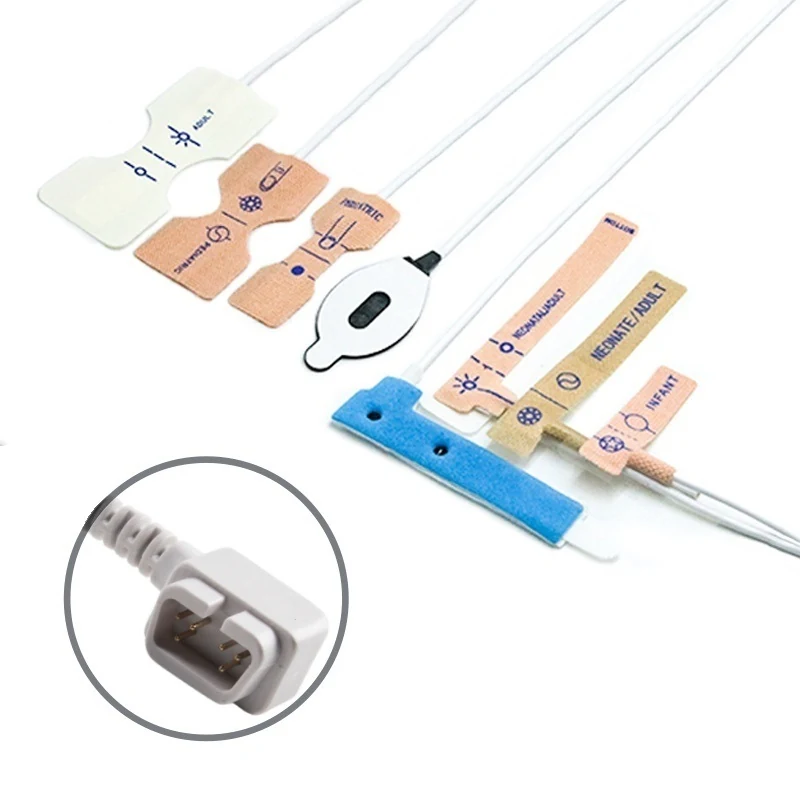
Integrated Cable: Often a fixed, lightweight cable terminating in a plug (commonly "Nellcor-style" or "Masimo-style" connectors).
Patient Safety: Hypoallergenic materials to minimize skin irritation.
Primary Advantages
Infection Control: Eliminates the risk of cross-contamination between patients, which is critical in hospitals, ICUs, and post-surgery.
Convenience: Sterile, ready-to-use, no need for cleaning or disinfection between patients.
Reliability: Delivers consistent performance as adhesives and optics are new for each use. No degradation from repeated cleaning.
Hygiene: Ideal for patients with infections (e.g., MRSA, C. diff) or compromised immune systems.
Time-Saving: Nurses save time on reprocessing, allowing them to focus on patient care.
Common Applications & Use Cases
Operating Rooms & Post-Anesthesia Care (PACU): Single-use for sterile environments and short-term monitoring
Intensive Care Units (ICUs): For critical patients, often changed every 24-48 hours to maintain site integrity and hygiene.
Emergency Departments: Quick application for incoming patients with unknown history.
General Medical/Surgical Floors: For routine patient monitoring.
Neonatal & Pediatric Care: Smaller, specialized sizes with gentle adhesives for delicate skin.
Infectious Disease Units: Mandatory for isolation protocols.
Types of Disposable SpO2 Sensors
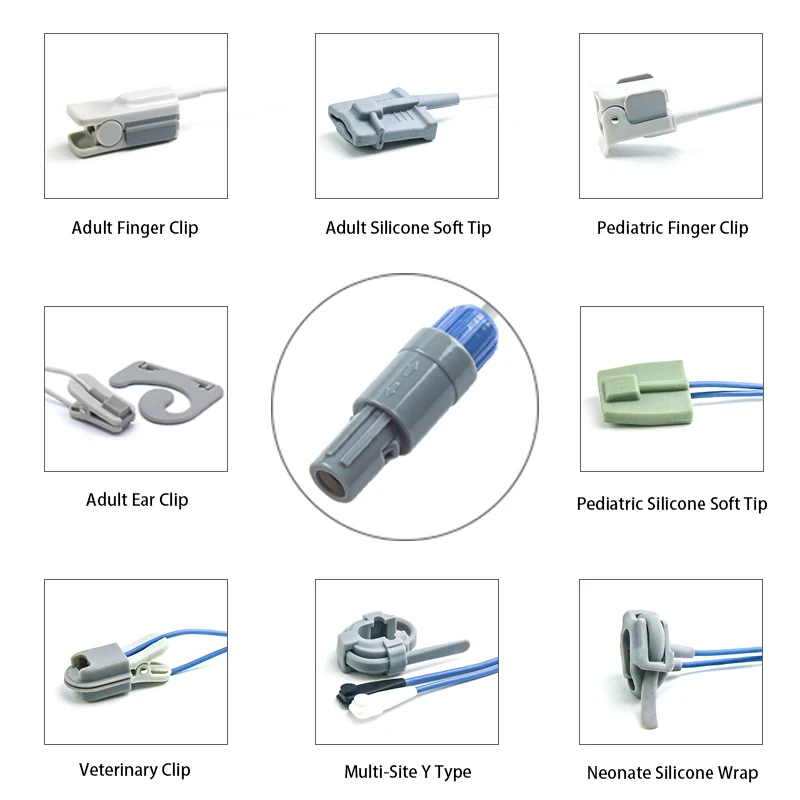
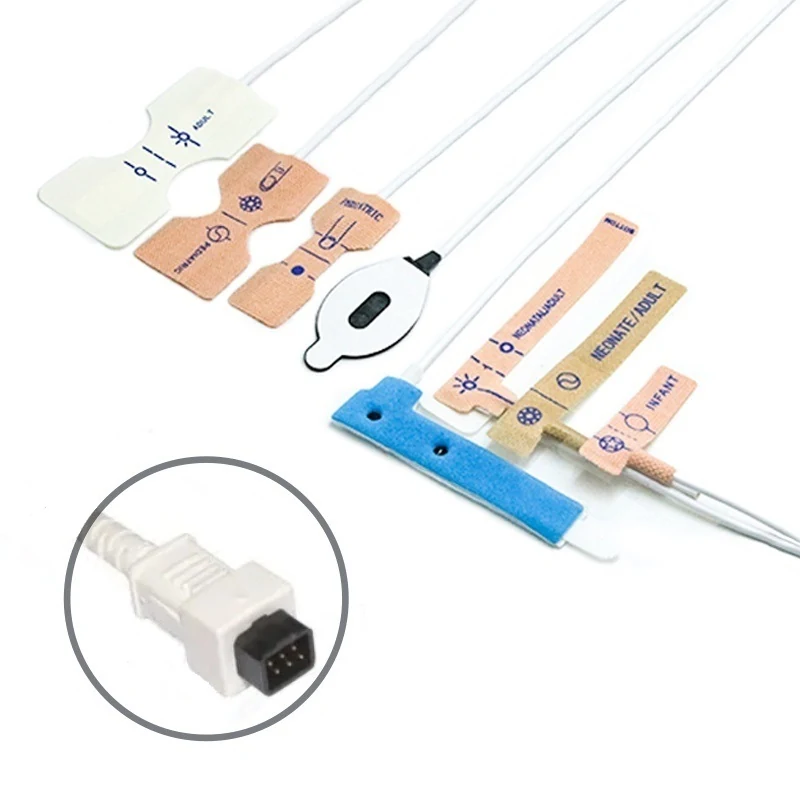
Finger Sensors (Most Common): Clip-on or adhesive wrap for adults and children.
Neonatal Sensors: For pre-term and full-term babies. Worn on the hand, wrist, or foot.
Multi-Site/Flex Sensors: Long, flexible adhesive strips that can be placed on the finger, foot, or ear (useful for low perfusion).
Forehead Sensors: Adhesive strip placed on the forehead, reading saturation from the forehead tissue (useful in shock or poor peripheral perfusion).
Important Considerations
Compatibility: Crucially, a disposable sensor must match the brand/technology of the oximeter monitor(e.g., a Nellcor sensor typically will not work on a Masimo monitor and vice-versa). Using an incompatible sensor can cause errors or no reading.
Cost: Higher per-unit cost than reusable sensors, but this is often offset by savings in labor (no cleaning/reprocessing), reduced infection risk, and consistent performance.
Environmental Impact: The single-use nature generates medical waste. Manufacturers are working on more recyclable materials.
Wear Time: Most are rated for 24-72 hours of continuous use. After this, adhesives can weaken and the site should be checked to prevent skin breakdown.
Leading Manufacturers & Technologies :
Medtronic (Nellcor): The historical leader with the Nellcor OxiMax system. Their standard connector is very common.
Masimo: Known for Signal Extraction Technology (SET), which claims better performance during motion and low perfusion. Uses a different connector.
Philips: Utilizes both its own technology and partners with Masimo in many devices.
GE Healthcare: Also a major supplier of compatible sensors.
Non-Branded/Compatible Sensors: Many third-party companies make high-quality, FDA-cleared sensors that are compatible with these major systems at a lower cost. Always verify compatibility and regulatory status before use.
Conclusion
Disposable SpO2 sensors are essential medical consumables that prioritize patient safety, clinical reliability, and caregiver convenience. Their universal adoption in acute care settings underscores their role as a frontline tool in continuous patient monitoring, helping clinicians quickly detect and respond to hypoxemia. Always ensure proper sensor selection for the patient size, monitoring needs, and, most importantly, device compatibility.
Products Referenced in This Guide
Questions Readers Ask
How long does a disposable sensor stay on a patient
It is used for one patient for a limited time, typically 24 to 72 hours, and then discarded.
Why choose disposable over reusable
Infection control. A single-patient-use sensor removes the cross-contamination path between patients and removes the reprocessing step for nursing staff.
Which patient sizes do you supply
Adult above 30KG, pediatric 15-40KG, infant 3-15KG and neonate below 3KG, each with its own part number.
What backing materials are available
Stretch adhesive, nonwoven, white foam, transpore and blue foam, depending on the series.
Put This Into Practice
Send the monitor brand and model you are working with and we will name the sensor that fits it.